
Blooming
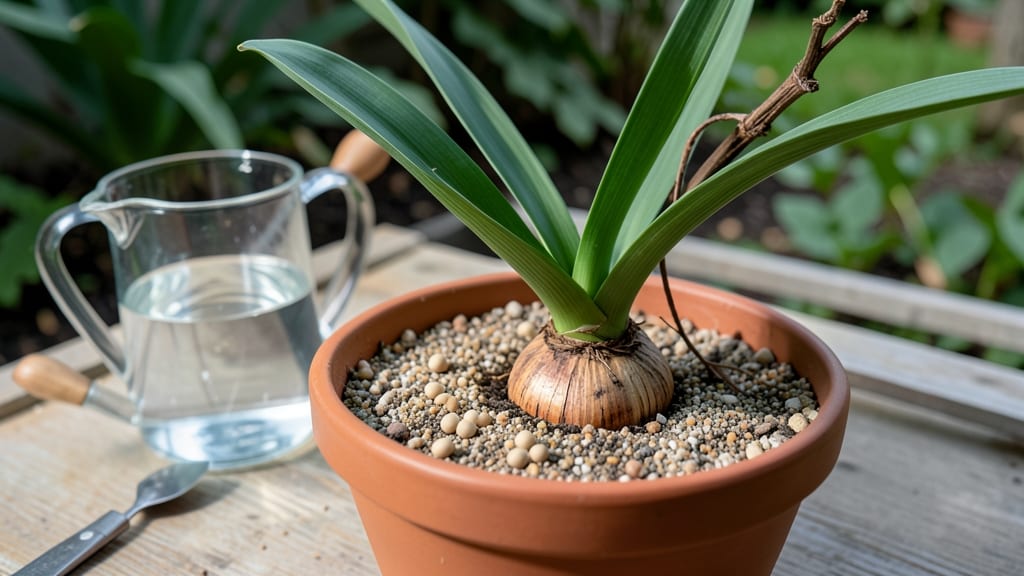
My amaryllis (Hippeastrum) refused to bloom again after last year’s showstopper—until I discovered the heat-trick. 🌱 The secret isn’t complicated: it’s about tricking the bulb into thinking winter’s coming, even in summer. Most growers overlook this step, but it’s the difference between one-time blooms and repeat floral fireworks.
First, you’ll need a dark, 60-70°F space (like a closet or basement) for 6-8 weeks—this mimics dormancy. Then, provide bright, indirect light during the day and let the soil dry completely between waterings.
The heat-trick works because it resets the bulb’s internal clock, forcing it to focus on blooming instead of growing leaves.
By the time you move it back to bright light, you’ll see 2-3 new flower spikes within 6-8 weeks. The blooms may not match the first display, but they’ll be just as fragrant and vibrant. This method works for store-bought bulbs too—just adjust the timing based on your climate.
Fair warning: timing is everything. Start the heat-trick in late summer for winter blooms, or early spring for summer flowers. Patience pays off—your amaryllis will thank you with years of repeat performances.
📚 In This Guide
- What you need
- Instructions
- Tips and common mistakes
- Wrapping up and next steps
What you need
- ● 1 mature amaryllis bulb (with at least 6–8 inches of healthy roots)
- ● 1 well-draining potting mix (cactus/succulent blend or a mix of 50% peat moss, 30% perlite, and 20% sand)
- ● 1–2 small pots (4–6 inches in diameter, with drainage holes)
- ● Watering can or spray bottle (for gentle hydration)
- ● Fertilizer (balanced 10-10-10 or 20-20-20 diluted to half-strength)
- ● Bright, indirect light source (south- or west-facing window, or grow lights for 12–14 hours/day)
- ● Warmth (consistent 70–75°F (21–24°C) during the day, 60°F (15°C) at night)
- ● Decorative pot (for a stylish finish once blooms emerge)
- ● Humidity tray (to maintain 40–50% humidity)
- ● Thermometer/hygrometer (to monitor temperature & moisture)
- ● Floral wire or ribbon (to support heavy blooms)
- ● Slow-release fertilizer pellets (for low-maintenance nutrition)
Step-by-step instructions for reviving your amaryllis blooms
Here's the proven method I use every year to coax dramatic second blooms from mature amaryllis bulbs.
🌱 Step 1: Select Healthy Bulbs and Prepare for Dormancy
Start with bulbs that produced at least one strong stem last season—these have the energy reserves for reblooming. Remove any remaining flower stems by cutting them at the base with clean, sharp scissors. This redirects the plant's energy back into the bulb rather than supporting dead stems.
Place the potted bulb in a cool, dark location where temperatures stay between 50-60°F for 8-10 weeks. I use a closet with a small fan for gentle airflow—this mimics natural winter conditions and breaks dormancy. Check occasionally to ensure the soil feels completely dry; water only if the bulb starts to shrivel.
☀️ Step 2: Apply the Heat-Trick to Trigger Flowering
After the dormancy period, move the pot to a warm spot with temperatures between 68-75°F—this is the critical heat-trick phase. Place it near a south-facing window where it receives 6-8 hours of indirect light daily. Avoid direct sun, which can scorch tender new growth.
Water lightly when the top inch of soil feels dry, using room-temperature water. You'll notice a small shoot emerging from the top of the bulb within 2-3 weeks. This is your signal that the heat-trick worked—resist the urge to water heavily yet, as overwatering at this stage can cause rot.
💧 Step 3: Support Growth with Proper Light and Fertilizer
Once the shoot reaches 4-6 inches tall, increase light to 12-14 hours daily using a grow light if natural light is insufficient. I position my bulb under a full-spectrum LED about 6 inches away to prevent leggy growth. Rotate the pot quarter-turns weekly so the stem grows straight.
Begin fertilizing with a balanced 10-10-10 liquid fertilizer diluted to half-strength every 2 weeks. This provides the nutrients needed for strong stem development. Watch for the first flower bud forming at the top of the stem—this typically appears when the shoot is 8-10 inches tall and takes about 4-6 weeks to fully bloom.
⏰ Step 4: Maintain Conditions for Peak Blooms
Keep the soil consistently moist but never soggy during this phase. The key is to maintain steady warmth and bright light—any drop below 65°F or sudden temperature swings can cause buds to drop. If you notice buds forming but not opening, increase humidity slightly by placing the pot on a tray of pebbles with water.
Once flowers appear, enjoy the display for 7-10 days, then remove the spent bloom stalk by cutting it at the base. This prevents the bulb from diverting energy to seed production and keeps it focused on future growth. With proper care, your amaryllis may even produce a second, smaller bloom spike later in the season.
Tips & tricks for perfect amaryllis revitalization
Here's what I've learned after years of coaxing second blooms from stubborn amaryllis bulbs.
Dormancy Conditions: The 8-10 week dormancy period at 50-60°F is non-negotiable for breaking dormancy properly. I've tried shorter periods, and while the bulbs might sprout, they never produce strong blooms. Use a thermometer to monitor temperatures—closets with exterior doors can fluctuate wildly. If your home stays above 65°F, consider moving the pot to a basement or unheated garage for true dormancy.
Heat-Trick Precision: During the critical 68-75°F heat-trick phase, consistency is everything. I place my amaryllis on a heat mat set to 70°F under a grow light to maintain perfect conditions. Watch for that first shoot within 2-3 weeks—this confirms the heat-trick worked. If no shoot appears after 4 weeks, return the bulb to dormancy for another 6-8 weeks before trying again. Overwatering at this stage is the #1 killer—only water when the top inch is completely dry.
Light Management: The transition from 6-8 hours of indirect light to 12-14 hours daily is crucial. I use a timer on my grow light to maintain consistent light exposure. Position the bulb about 6 inches from the light to prevent leggy growth. Rotate the pot weekly so the stem grows straight—this simple step prevents those frustrating crooked stems that ruin the aesthetic. If natural light is insufficient, supplement immediately after the shoot appears.
Fertilizer Timing: Starting the half-strength 10-10-10 fertilizer only after the shoot reaches 4-6 inches is key. I fertilize every 2 weeks, but if I notice yellowing leaves, I reduce to every 3 weeks. The goal is strong stem development, not leafy growth. When buds form at 8-10 inches, I switch to a bloom booster fertilizer to maximize flower production. Remember, the bulb's energy goes where it's fed—prioritize stem and bud development over foliage.
Pro Tips for Make Amaryllis Bloom Again
- Here's what I've learned after years of coaxing second blooms from stubborn amaryllis bulbs.
- Dormancy Conditions: The 8-10 week dormancy period at 50-60°F is non-negotiable for breaking dormancy properly.
- Heat-Trick Precision: During the critical 68-75°F heat-trick phase, consistency is everything.
Frequently asked questions
Got questions about coaxing another round of blooms from your amaryllis? You’re not alone—gardeners often wonder how to keep these showstoppers thriving! Here are answers to the most common queries to help you master the heat-trick and beyond.
Why isn’t my amaryllis blooming after the heat trick?
There could be a few reasons: overwatering (bulbs need dry periods), lack of sunlight (6+ hours of bright light is key), or stress from repotting. Ensure your bulb gets 10–12 weeks of dormancy post-bloom—no water, cooler temps (60–65°F). If it’s still stubborn, check for pests or rot.
How long does the heat trick take to work?
The heat trick typically triggers blooms in 6–10 weeks, but timing varies by variety. Start by placing the bulb in a warm, dark spot (70–80°F) for 8–10 weeks, then move it to bright light. Patience is key—some amaryllis need extra time to adjust, especially if they’ve been dormant too long.
Can I force amaryllis to bloom without the heat trick?
Yes! While the heat trick is the most reliable, you can try gradual light exposure or fertilizing with a balanced bloom booster (like 10-10-10) during active growth. Place the bulb near a south-facing window or under grow lights for 12–14 hours daily. Just avoid cold drafts!
What should I do if my amaryllis leaves turn yellow?
Yellowing leaves often signal overwatering or nutrient deficiency. Let the soil dry completely between waterings, and trim dead leaves at the base. For a boost, feed with a low-nitrogen fertilizer (like 5-10-10) once the bulb starts regrowing. If the bulb feels mushy, it may be rotten—remove it and repot a healthy one.
How often can I make amaryllis bloom again?
A healthy amaryllis bulb can produce 2–3 blooms per year with proper care. After the first bloom, let the foliage die back naturally, then repeat the dormancy + heat trick cycle. Over time, bulbs may weaken—replace them every 3–5 years or divide offsets for fresh plants!
Wrapping up and next steps
Making your amaryllis bloom again is all about patience, consistency, and a little heat trick magic! 🌱 By providing the right balance of light, warmth, and care, you’ll coax those stunning flower spikes to return year after year.
Remember, every plant has its own rhythm—don’t rush it, and soon you’ll be rewarded with vibrant blooms that brighten up your space.
Ready to take the next step? Experiment with your amaryllis’s care routine—adjust light exposure, tweak watering habits, or even try a new pot size. Track what works best, and before you know it, you’ll have a blooming pro on your hands! 🌸