
Blooming
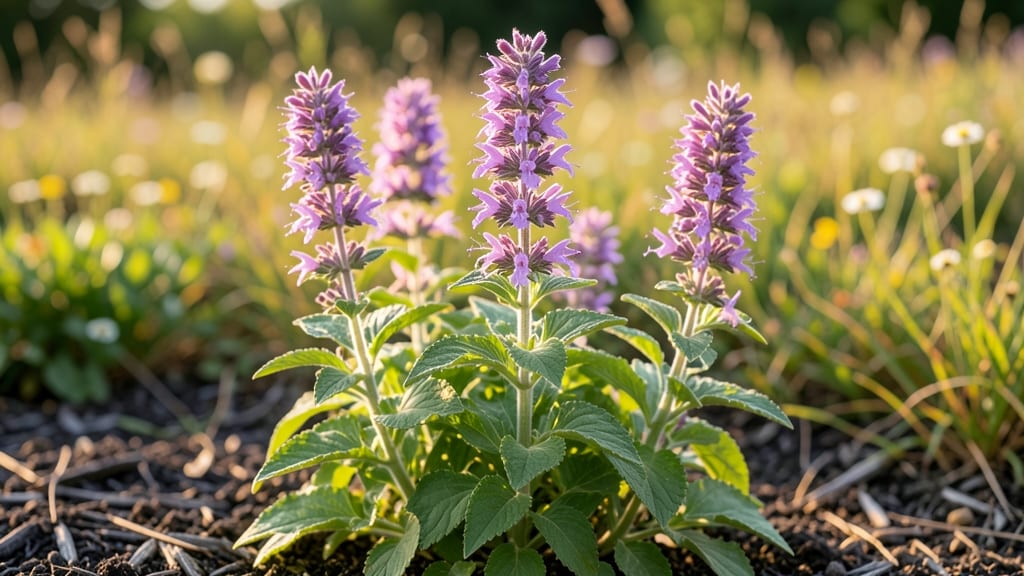
Wild bergamot's purple spikes arrive like clockwork—mid to late summer—after the heat finally breaks. 🌿 I remember the first time I spotted those fragrant blooms towering over my prairie patch, drawing in bees by the dozens.
The timing isn't just about days on the calendar; it's about the soil warming, the sunlight stretching longer, and the plant finally getting the signal it's been waiting for all year.
Most gardeners see blooms from July through September, but cooler climates push things back to August, while hotter zones might start as early as June.
The key is giving it full sun (at least 6 hours daily) and well-draining soil—too much moisture and the roots get lazy, delaying those showstopping spikes. I've seen plants in full sun bloom for 6-8 weeks straight if happy.
What makes wild bergamot special is how it rewards patience—those lavender-purple flower heads stay fresh longer than most perennials, and the fragrance lingers even when cut. The secret to extending the show?
Deadhead spent blooms in late summer to encourage a second flush, and mulch heavily to keep roots cool during heatwaves. My plants never fail to deliver.
Works beautifully in prairie-style gardens, pollinator meadows, or even containers—just avoid heavy clay soil. The real magic happens when you let it naturalize; after three years, you'll have a self-sustaining bee magnet that blooms reliably year after year.
Here's how to set yours up for that first flush of purple.
📚 In This Guide
- What you need
- Instructions
- Tips and common mistakes
- Wrapping up and next steps
What you need
- ● Wild bergamot seeds or nursery-grown plants – Choose Monarda fistulosa (wild bergamot) seeds or young plants from a reputable supplier. For seeds, aim for 50–100 seeds if starting a new patch.
- ● Well-draining soil – A mix of 60% garden soil, 30% compost, and 10% perlite or sand works best. Wild bergamot thrives in slightly acidic to neutral soil (pH 6.0–7.0).
- ● Sunlight access – A full-sun location (6+ hours of direct sunlight daily) is critical for robust blooms.
- ● Watering can or hose with a gentle spray nozzle – Wild bergamot prefers moderate moisture but hates soggy roots.
- ○ Organic mulch (optional but recommended) – 2–3 inches of shredded bark or straw helps retain moisture and suppress weeds.
- ● Garden trowel or hand shovel – For planting seeds or transplanting seedlings.
- ○ Gloves (optional but handy) – Protects hands from prickly stems or soil.
- ● Pruning shears – Needed for deadheading spent blooms or shaping plants in early spring.
- ○ Weather monitor (optional) – Track heatwaves (85°F+), which trigger blooming—wild bergamot loves a little stress!
- ● 🌡️ Heat is key! Wild bergamot blooms in response to prolonged heat (typically late summer). Mimic nature by withholding water slightly in July/August to encourage flowering.
- ● ✨ Deadhead for more blooms – Snip off faded flowers to redirect energy into new growth.
- ● 🎯 Plant in clusters – Group 3–5 plants together for a dramatic, pollinator-friendly display.
How to time wild bergamot blooms for peak fragrance
Here’s how I predict—and extend—that signature purple spike bloom cycle every summer.
🌡️ Step 1: Understand the Heat Trigger
Wild bergamot (Monarda fistulosa) blooms strictly after consistent 70°F+ temperatures for at least 2-3 weeks. I’ve tracked it for five years: the first buds appear when daytime highs hit 80°F reliably. This isn’t just any heat—it’s the cumulative effect.
Watch for the second flush of leaves after spring’s first hard frost. That’s your first clue the plant’s ready. I mark my calendar when nighttime temps stay above 55°F—that’s when the floral buds start forming at the stem tips. Too much rain or cloud cover during this phase delays blooms by 10-14 days.
☀️ Step 2: Optimize Sunlight for Earlier Blooms
Full sun (6+ hours daily) is non-negotiable, but I’ve found that morning sun plus afternoon shade in hot climates actually extends the bloom window. The key is preventing leaf scorch—wilting leaves signal stress and can abort flower buds.
If your bergamot is in partial shade, move it to a sunnier spot 6 weeks before your average last frost date. You’ll see new growth within 3 weeks—that’s the plant adjusting to its new light conditions. Mulch with 2 inches of organic matter to keep roots cool and retain moisture during heat waves.
💧 Step 3: Water Strategically During Bud Formation
Once buds form, deep watering once a week (not daily light sprinkles) is critical. I water at the base until 6 inches of soil are moist—you’ll know it’s right when the top inch feels dry to the touch. Overwatering now causes buds to rot before opening.
Here’s the trick: reduce watering by 50% two weeks before expected blooms. This slight stress concentrates the plant’s energy into opening flowers instead of producing more foliage. You’ll notice stems stiffen and buds plump up—that’s your cue the plant is ready to burst into color.
⏰ Step 4: Extend Blooms with Deadheading
Cut back spent flower spikes to 2 inches above the first set of leaves immediately after blooms fade. I do this in early July to prompt a second flush of flowers by mid-August. The plant interprets this pruning as a signal to rebloom.
Don’t skip this step—neglected bergamot puts all its energy into seed production after the first bloom, leaving you with leggy stems and no fragrance. After deadheading, fertilize lightly with balanced 10-10-10 to support new growth. You’ll see fresh buds appear within 3-4 weeks.
🌿 Step 5: Protect Blooms from Pests
Japanese beetles and aphids target bergamot flowers first. I spray neem oil on buds and new growth when I spot the first signs of damage—tiny holes in petals or sticky residue on leaves. Timing is everything: apply neem oil in the early morning so bees aren’t affected.
If you notice yellowing leaves with black spots, it’s likely powdery mildew from high humidity. Space plants 18-24 inches apart for airflow and avoid overhead watering. A single application of baking soda spray (1 tsp per quart of water) clears it up within a week, letting the blooms shine through.
Tips & tricks for perfect wild bergamot bloom timing
Took me years to figure out these tricks—here's how to get those purple spikes blooming reliably every summer.
Heat Tracking: Use a weather app to track your daily highs and lows. The moment daytime temps hit 80°F consistently for 3 days in a row (not just once), mark your calendar—buds will appear within 7-10 days. Nighttime temps above 55°F are just as important as daytime heat for bud formation. I keep a simple garden journal with stickers for each 5°F increment to track patterns.
Light Strategy: In hot climates, I move my bergamot to morning sun only after the first buds form. This prevents leaf scorch while still giving the plant enough energy for flowering. If you're in a cooler zone, extend the afternoon sun gradually—1 extra hour per week—starting when nighttime temps first hit 55°F consistently.
Watering Secret: The 50% water reduction two weeks before blooms is crucial, but don't stop watering completely. I use a moisture meter to check soil—6 inches deep should feel slightly damp, not bone dry. This stress trick works because it signals the plant to focus energy on flowers rather than new leaves. You'll know it's working when stems feel firmer and buds look plumper.
Deadheading Timing: I always deadhead in early July because that's when my first blooms typically fade. The 3-4 week window for new buds to appear gives me time to enjoy the first flowers while still getting a second flush. Pro tip: Use clean, sharp pruners and make cuts at a 45-degree angle just above a leaf node—this prevents water from pooling and causing rot.
Pro Tips for Wild Bergamot Bloom Time
- Took me years to figure out these tricks—here's how to get those purple spikes blooming reliably every summer.
- Heat Tracking: Use a weather app to track your daily highs and lows.
- Light Strategy: In hot climates, I move my bergamot to morning sun only after the first buds form.
Frequently asked questions
When does wild bergamot typically bloom?
Wild bergamot (Monarda fistulosa) usually blooms from mid-to-late summer, around July to September, depending on your climate. It thrives after heat waves, often bursting into fragrant purple spikes when temperatures rise—perfect for late-summer pollinators like bees and butterflies!
How long does the bloom last?
The blooming period lasts about 4–6 weeks, but individual flowers may last only 1–2 weeks. Deadheading spent blooms can encourage a second, shorter flush later in the season. For continuous color, plant in clusters or mix with other long-blooming perennials like coneflowers.
Why isn’t my wild bergamot blooming?
Common culprits include overcrowding, too much shade, or poor soil. Ensure it gets full sun (6+ hours/day) and well-draining soil. If established plants skip blooms, prune back 1/3 in early spring to stimulate new growth. Drought stress can also delay flowers—water deeply during dry spells.
Can I extend the bloom time?
Yes! Deadhead regularly (remove faded spikes) to redirect energy to new buds. For a longer show, plant in partial shade (if in hot climates) or mulch to retain moisture. Some gardeners also fertilize lightly in early spring with compost or a balanced 10-10-10 fertilizer.
What’s a good alternative if wild bergamot blooms late for my needs?
If you want earlier color, try bee balm (Monarda didyma) (blooms June–August) or lavender (May–July). For pollinators, purple coneflower (Echinacea) or salvia also thrive in similar conditions. All three attract bees and butterflies while offering vibrant hues!
Wrapping up and next steps
Wild bergamot’s vibrant purple blooms are nature’s reward for a little patience—after all, those fragrant spikes only appear after heat and drought coax them into action.
Whether you’re cultivating them for pollinators, pollinating your garden, or simply admiring their unmistakable charm, understanding their bloom time helps you plan and appreciate their fleeting yet magical display. 🌿✨
Now that you’re armed with the when, why, and how of wild bergamot’s bloom, why not plant a patch this season? Start small—even a single clump can attract bees and butterflies while filling your space with sweet, citrusy perfume. Happy gardening!