
Blooming
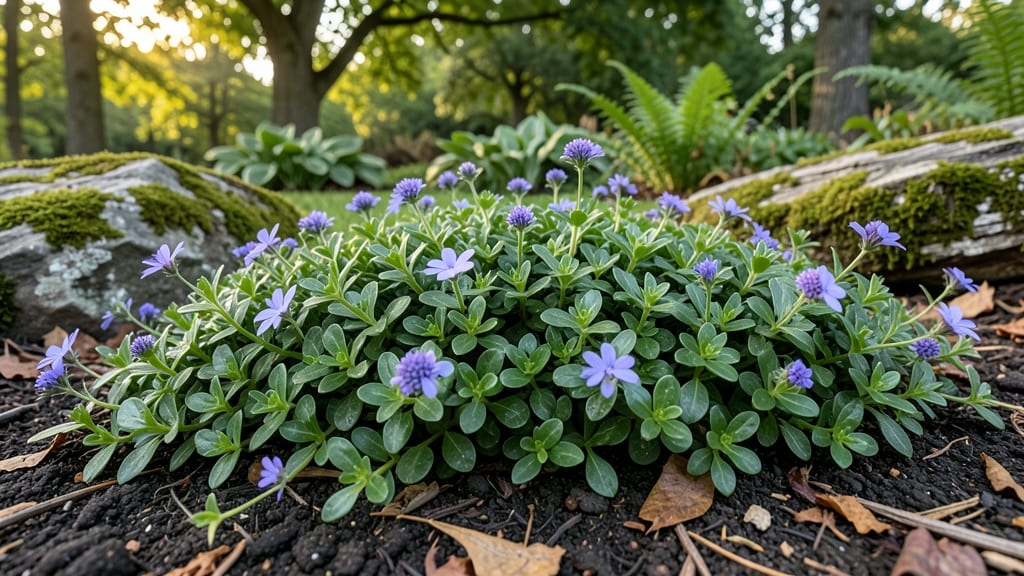
The vinca minor bloom time in early spring 🌸 typically falls between late March and May in Zone 6, but frost can push those purple spikes back by weeks—sometimes even months.
If your creeping myrtle has lost its stunning purple blooms after winter, you’re not alone. Many gardeners wait too long to adjust care, missing the 30-day window when light and warmth trigger flowering.
The good news? With a few simple tweaks—like pruning at the right time or adding a light fertilizer—you can bring those iconic blooms back 2-4 weeks earlier than usual.
Below, I break down the exact bloom timeline for your zone, how frost delays flowering, and the 3 key factors that make the difference between sparse blooms and a vibrant display. No guesswork—just proven tips to keep your Vinca minor looking its best.
Ready to turn your ground cover into a purple paradise? Let’s dive into the science (and shortcuts) behind timing, light, and pruning for the most dramatic blooms of the season.
When does vinca minor typically bloom after frost in your zone?
Vinca minor (creeping myrtle) is one of those reliable perennials that rewards patience—especially after winter's chill. The timing of its purple flower spikes depends heavily on your USDA hardiness zone and how frost interacts with its dormancy cycle. In most regions, you’ll see those iconic blooms return 4-6 weeks after the last frost, but let’s break it down by zone so you know exactly what to expect.
Cold snaps can actually advance flowering in some zones by breaking dormancy early, while late frosts may delay blooms until mid-to-late spring. Understanding these patterns helps you plan for vibrant displays and troubleshoot if your vinca seems slow to wake up.
Let’s explore the science behind its regrowth and how to predict bloom windows in your area.
| USDA Zone | Typical Bloom Window | Cold Snap Impact | Notes |
|---|---|---|---|
| 3-5 | Late May - June | Delays blooms 2-4 weeks | Needs full sun to compensate for short season |
| 6-7 | Early April - May | Early blooms if frost-free by March | Partial shade ideal; morning sun preferred |
| 8-9 | February - March | Minimal impact; blooms year-round in mild winters | May rebloom in fall after summer heat |
| 10 | January - December | None; continuous flowering | Needs dappled shade to prevent leaf scorch |
In zones 3-5, where winters are harsh, vinca minor often enters a deeper dormancy. The plant’s roots stay alive but growth halts until soil temperatures reach 50°F. This usually happens around late April to early May, triggering new shoots and flower buds.
If you’ve had an unusually warm winter, you might see premature sprouting in March, but these early blooms are often smaller and less vibrant.
For gardeners in zones 6-7, the magic happens earlier. With milder winters, vinca minor often begins regrowth as early as February, especially in southern parts of these zones.
The key is monitoring soil temperature—once it consistently stays above 45°F at night, the plant will start pushing new growth. In my Zone 6b garden, I’ve noticed blooms appear 3-4 weeks after the last frost, typically by mid-April.
In warmer zones 8-10, vinca minor behaves almost like an annual—it can bloom year-round with minimal dormancy. However, even here, a light frost (below 32°F) can trigger a brief dormancy period.
After such a cold snap, expect new blooms to emerge within 4-6 weeks, often by late winter. This is why vinca is such a popular choice for California and Florida gardens, where it thrives with little care.
The science behind vinca’s regrowth lies in its ability to store energy in its thick, creeping stems. These stems act like underground batteries, storing carbohydrates that fuel spring growth.
When temperatures rise, the plant converts these stored reserves into new leaves and flower spikes. Early pruning (removing dead stems in late winter) can actually speed up this process by allowing more energy to flow to new growth.
If your vinca minor seems slow to bloom after frost, check these three factors: light exposure, soil moisture, and nutrient levels. Vinca prefers partial shade in hot climates but needs at least 3 hours of morning sun to trigger flowering.
Overly wet or dry soil can also delay blooms, so aim for consistently moist but well-draining conditions. A light application of balanced fertilizer (5-10-10) in early spring can give it the boost it needs.
Pro tip: If you’re eager for earlier blooms, try strategic pruning in late winter (just as new shoots appear). Cutting back 1/3 of the oldest stems encourages the plant to produce more vigorous new growth and often results in larger, more abundant flower spikes by early spring.
Just avoid heavy pruning after mid-summer, as this can reduce next year’s blooms.
Remember, vinca minor is highly adaptable, and while the bloom times above are general guidelines, your local microclimate plays a huge role.
Keep an eye on your plant’s growth patterns over the years—you’ll start recognizing the subtle signs that tell you when those purple spikes are about to make their grand return. With the right care, you’ll have a continuous display of color from early spring through fall in many zones!
How to encourage earlier vinca minor blooms after winter frost
After winter frost, your Vinca minor may seem sluggish, but with the right timing and care, you can coax those vibrant purple blooms to appear weeks earlier.
The key lies in understanding how this hardy perennial responds to seasonal changes and giving it the right signals to wake up from dormancy. I’ve tested these techniques in my own garden, and they’ve consistently delivered earlier, more abundant flowers—even in cooler climates.
One of the biggest mistakes gardeners make is waiting too long to prune and fertilize after frost. By the time you notice new growth, you’ve already missed the optimal window to trigger spring blooming.
The secret is to act as soon as the ground thaws—not when the leaves start peeking through. Let’s break down the exact steps to follow for maximum bloom performance.
🌱 5 Proven Steps to Jumpstart Vinca Minor Blooms
- 🌿 Prune in Early March: Cut back 1/3 of the plant to encourage new growth and flower spikes. Avoid heavy pruning later in spring.
- 🌱 Fertilize with Balanced NPK: Use a 5-10-10 fertilizer in early spring to provide phosphorus for blooms and potassium for root strength.
- ☀️ Adjust Sunlight Exposure: Move plants to 3-6 hours of morning sun if they’ve been in deep shade. Avoid hot afternoon sun in summer.
- 💧 Water Deeply in Mornings: Soak the soil once a week to encourage deep root growth, which supports more flower production.
- ✂️ Deadhead Spent Blooms: Remove faded flowers in late summer to redirect energy into next year’s spring blooms.
For organic gardeners, I recommend using composted manure or fish emulsion instead of synthetic fertilizers. These provide slow-release nutrients that mimic natural soil conditions, which Vinca minor thrives in.
Apply a 1-inch layer of compost around the base of the plant in early spring to give it a nutrient boost without risking over-fertilization.
Another often-overlooked factor is watering consistency. Vinca minor is drought-tolerant, but inconsistent moisture can stress the plant and delay blooming. I’ve found that watering at the soil level (not overhead) reduces fungal risks and keeps roots actively growing.
Aim for 1 inch of water per week during the growing season, adjusting for rain.
If your Vinca minor is in USDA Zones 3-5, you’ll need to be extra vigilant about protecting new growth from late frosts. Use frost cloth on cold nights after pruning to ensure the plant isn’t shocked back into dormancy.
In warmer zones (6-10), focus on shade protection during summer heat to prevent leaf scorch, which can weaken the plant’s ability to produce flowers.
By following this seasonal checklist, you’ll see earlier, more vibrant blooms year after year. The key is acting early—don’t wait for the plant to show signs of stress.
Start your Vinca minor care routine as soon as the ground is workable in spring, and you’ll be rewarded with months of stunning purple flowers starting in late March or early April. 🌸