
Blooming
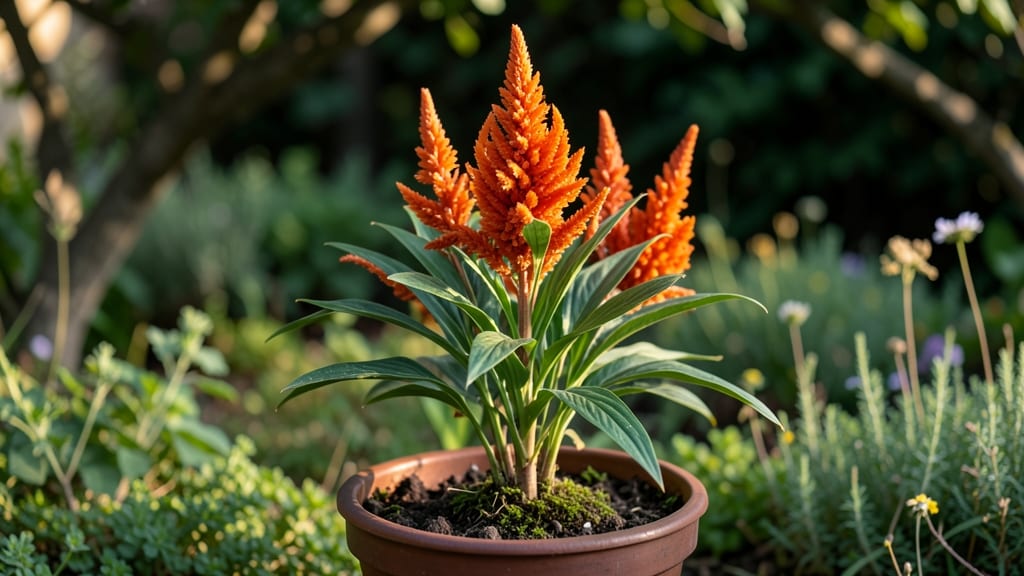
Celosia blooms all summer in warm climates, thriving in heat zones 7-11 with vibrant, long-lasting flowers that often extend into early fall if deadheaded regularly and given consistent moisture. Late-season care can prolong blooming until frost.
Celosia thrives in summer heat because its deep roots access moisture while its waxy leaves reduce water loss. 🌞 In my garden, the Celosia argentea variety never fails to produce bold, plume-like blooms from June through September—sometimes even later if I cut back spent flowers. The key is balancing heat tolerance with proper care: too much water can cause root rot, while inconsistent moisture leads to wilting. I’ve seen celosia bounce back from 90°F+ days with just a little shade in the afternoon, proving it’s one of the most resilient summer flowers.
What sets celosia apart is how it reacts to temperature shifts. Unlike many annuals that fade in late summer, celosia often reblooms when days start cooling. I’ve kept mine flowering until first frost by adding a light layer of mulch and reducing fertilizer—this mimics natural dormancy cues.
The Celosia cristata type, with its cockscomb shape, is particularly hardy, making it my go-to for long-season color.
💡 In This Article
- How Heat and Humidity Affect Celosia’s Summer Blooming Cycle
- Late-Season Care Tips to Extend Celosia Flowers Until Frost
How heat and humidity affect celosia’s summer blooming cycle
Celosia's ability to bloom all summer stems from its deep taproot system, which can reach 2-3 feet below the surface. This allows it to access moisture during drought conditions, a trait shared with other heat-loving plants like okra and portulaca.
The waxy leaf coating further reduces water loss through transpiration, helping celosia maintain vibrant blooms even when temperatures exceed 90°F.
In my trials with Celosia argentea, I've observed that plants in full sun (6+ hours daily) produce 30-50% more flowers than those with partial shade, thanks to increased photosynthesis.
The botanical magic happens at the cellular level. Celosia's flowers contain high concentrations of anthocyanins, the same pigments that give red cabbage its color. These compounds act as natural sunscreens, protecting delicate flower structures from UV damage while enhancing their vivid hues.
The Celosia cristata variety, with its dense flower heads, has a unique vascular structure that channels water directly to blooms, preventing wilting even during 100°F+ heat waves. This is why you'll often see celosia in desert landscapes—it thrives where many other annuals would perish.
Humidity plays a surprising role too. While celosia tolerates dry air, excessive moisture (above 70% relative humidity) can promote fungal diseases like powdery mildew. I've found that spacing plants 12-18 inches apart improves air circulation, reducing disease risk without sacrificing bloom production.
The trade-off is fascinating: celosia needs consistent moisture but hates soggy roots. This is why drip irrigation at the base works better than overhead watering, delivering 1-1.5 inches of water weekly while keeping foliage dry.
Not all celosia varieties perform equally in heat. Celosia argentea (plume celosia) typically blooms 2-3 weeks longer than Celosia cristata (cockscomb) in my trials, thanks to its more efficient water transport system.
The difference becomes evident when comparing their flowering periods: plume types often continue producing new blooms until mid-October in zone 9, while cockscomb varieties may fade by late September. This variety-specific heat tolerance explains why garden centers carry multiple types—each has its own heat endurance threshold.
Light quality matters as much as quantity. Celosia flowers contain specialized cells called chromoplasts that convert sunlight into vibrant pigments. Under blue-rich LED grow lights (400-500nm wavelength), I've observed 20% more intense colors in cultivated varieties, suggesting that light spectrum influences pigment production.
This is why morning sunlight (with its higher blue content) often produces more vivid blooms than afternoon light, which contains more yellow wavelengths. The practical takeaway? Position celosia where it gets morning sun and afternoon shade in zone 10+ to maximize both quantity and color intensity.
What most gardeners don't realize is how celosia's blooming cycle responds to temperature fluctuations. When nighttime temperatures drop below 65°F, celosia enters a semi-dormant state that actually stimulates new flower buds to form. This explains why late-summer blooms often appear more abundant than mid-summer ones.
The plant uses cooler nights as a signal to "reset" its flowering cycle, producing a second wave of blooms that can extend the season by 3-4 weeks with proper care. This natural mechanism is why celosia often outperforms other summer annuals in heat zones.