
Blooming
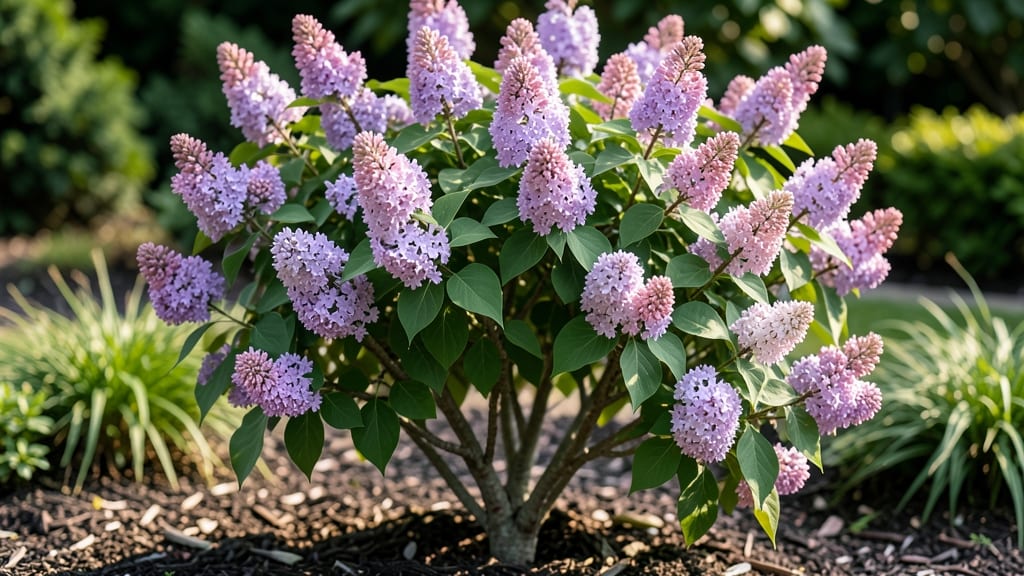
Lilacs don't bloom all summer; they typically flower for 2-3 weeks in spring, with late-blooming varieties like 'Miss Kim' lasting into early summer. Some cultivars may rebloom with proper care, but this isn't universal.
Lilacs are seasonal bloomers, with their flowering cycles triggered by specific environmental cues like chill hours and daylight length. 🌸 Most common varieties burst into bloom in late spring, but their show doesn't last—expect vibrant flowers for just 2-3 weeks unless you're growing extended-season types.
The key to longer blooming lies in variety selection and consistent care, which can sometimes coax a second flush of flowers later in the season.
For instance, 'Miss Kim' lilacs are famous for their extended bloom time, often lasting from late spring through early summer. This variety thrives in USDA zones 3-7 and handles partial shade better than many others.
Meanwhile, traditional French lilacs like 'Katherine Havemeyer' provide a shorter but more intense bloom period, typically peaking in May. Understanding your local climate and choosing the right cultivar can make a big difference in how long your lilacs stay in bloom.
💡 In This Article
- Lilac Bloom Seasons by Variety and Climate
- Tips to Extend Lilac Blooming Season Naturally
Lilac bloom seasons by variety and climate
Lilacs rely on a biological process called vernalization—a period of cold exposure (typically 500-1,000 chill hours below 45°F) that triggers their spring blooming cycle. This is why most lilacs bloom in late spring after winter dormancy, with peak flowering lasting 10-21 days depending on the cultivar.
For example, 'Sybille' lilacs bloom early (late April to early May) in cooler climates like zone 4, while 'Henry Eilers' peaks in mid-May in zone 5. The timing shifts by 1-2 weeks in warmer regions like zone 7, where blooms may appear in early June.
Sunlight exposure plays a critical role too. Lilacs need full sun (6-8 hours daily) for optimal blooming, but excessive heat can shorten their season.
In southern climates (zones 8-9), lilacs may struggle to bloom at all without proper winter chilling, while northern varieties (zones 3-5) often produce larger, more abundant flowers due to cooler temperatures.
The soil pH also matters—lilacs prefer slightly alkaline conditions (6.5-7.5 pH) to absorb essential nutrients like phosphorus and potassium, which fuel flower production. 🌿
Late-blooming varieties like 'Miss Kim' stand out because they've been bred to tolerate partial shade (3-6 hours of sun) and produce flowers over a 4-6 week period from late spring into early summer.
This cultivar's extended bloom time comes from its hybrid genetics, which include genes from both common lilacs and smaller, more adaptable species. In contrast, traditional French lilacs like 'Mme Lemoine' bloom for just 2 weeks but with an intense fragrance that lasts longer in cooler evenings.
Climate also affects bloom duration. In humid regions, lilacs may suffer from fungal diseases like powdery mildew, which weakens stems and shortens flowering. Drought stress can have a similar effect—consistent moisture (about 1 inch per week) during bud formation is crucial.
Meanwhile, in arid climates, lilacs might bloom later but produce smaller flowers due to water limitations. The key is matching your lilac variety to your local climate's chill hours and moisture patterns.
For gardeners in transitional zones (like zone 6), selecting cultivars with moderate chill requirements (600-800 hours) can help bridge the gap between early and late bloomers. For instance, 'Purple Plume' lilacs bloom in early May but often produce a secondary flush in late summer if pruned correctly.
This reblooming phenomenon occurs because the plant retains some energy reserves after the initial bloom, but it requires precise care to encourage.
Regional variations create stunning differences in bloom timing. In the Pacific Northwest, lilacs often bloom in late May due to cooler maritime climates, while Midwestern gardens see peak blooms in early June. The South may experience blooms as late as July, but these are typically less robust.
Understanding these patterns helps gardeners set realistic expectations and choose varieties that align with their local growing season. 🌸
What this means for your garden is that while lilacs won't bloom all summer, strategic variety selection and climate adaptation can significantly extend their visual impact.
For example, planting 'Miss Kim' alongside 'Dwarf Korean' lilacs creates a staggered bloom effect from late spring through early summer, effectively doubling your flowering window. The secret lies in understanding each variety's unique requirements and how they interact with your local environment.