
Blooming
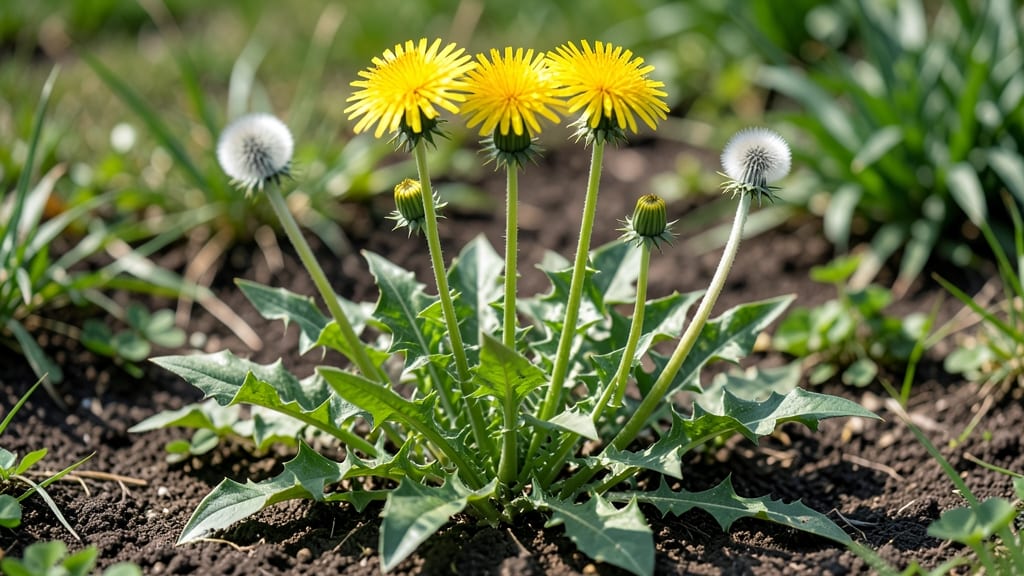
Dandelions bloom all summer in most climates, producing bright yellow flowers from early spring through fall, though heat waves or drought may shorten their peak season in hotter zones. Late-season blooms often appear in cooler weather before frost sets in.
Dandelions thrive as opportunistic bloomers, adapting their cycles to local conditions.
In temperate zones, they typically start flowering in spring and continue through summer, but their persistence depends heavily on moisture and temperature. 🌞 For example, in the Pacific Northwest, you might see continuous blooms from March to October, while Southern gardens may experience gaps during extreme heat.
The key is their resilience—even when stressed, dandelions often rebound with fresh flowers once conditions improve.
What's fascinating is how they manage this: dandelions use a "bud-to-bloom" strategy where new flower heads develop continuously from the central rosette. This means even if some flowers wilt in summer heat, others are already forming below, ready to take over.
Gardeners can support this by keeping soil consistently moist during dry spells—just 1-2 inches of water per week can make a noticeable difference in bloom longevity.
Late-season blooms are particularly striking because they often appear when other perennials are winding down. These final flowers tend to be smaller and less vibrant, but they serve an important ecological role by providing nectar for bees and butterflies before winter.
The trade-off? In areas with early frosts, these late bloomers may only last a few weeks before frost kills the plant back to the roots.
💡 In This Article
- Dandelion Bloom Cycles by Climate Zone
- Extending Dandelion Bloom Time in Gardens
Dandelion bloom cycles by climate Zone
Dandelions are master adaptors, with their flowering patterns directly tied to temperature and daylight—specifically photoperiodism (light sensitivity) and thermoperiodism (temperature sensitivity). In USDA Zones 3-5 (northern climates), blooms peak from May through September, often pausing briefly in July-August when days are longest but temperatures soar.
The plant enters a temporary "heat dormancy," conserving energy until cooler nights return. 🌿 Meanwhile, in Zones 7-9 (southern regions), continuous blooms occur year-round, though drought can trigger a 3-4 week hiatus during summer's peak heat.
The magic happens at the cellular level: dandelions produce florigen, a flowering hormone triggered by 12-14 hours of daylight (short-day plants) combined with moderate temperatures (60-75°F). When summer heat exceeds 90°F for prolonged periods, florigen production halts, causing existing blooms to wilt while new buds remain dormant.
This explains why dandelions in Arizona may bloom sporadically, while those in Oregon produce near-continuous flowers. Even a 10°F temperature drop at night can restart flowering within 7-10 days.
Regional variations reveal fascinating patterns: in the Pacific Northwest, dandelions often bloom in three distinct waves—spring, summer, and fall—while in the Southeast, they may produce smaller, less frequent blooms due to higher humidity and fungal pressure.
The key difference? Soil moisture retention: sandy soils in Florida cause quicker drought stress, while loamy soils in the Midwest support longer blooming periods. Gardeners in Zone 6 report that late-summer blooms (August-September) are 20-30% smaller but equally vibrant, likely due to resource allocation toward root storage for winter.
What most people don't realize is how altitude affects bloom timing. At elevations above 5,000 feet, dandelions may bloom 2-3 weeks later than at sea level due to cooler temperatures, while coastal areas experience earlier but shorter blooms from salt spray stress.
The Appalachian Mountains showcase this perfectly: dandelions at 3,000 feet might bloom from April to October, while those at 7,000 feet have a condensed June-August window. This altitude effect is why mountain gardeners often see dandelions as "late bloomers" compared to lowland varieties.
For those tracking late-season blooms, pay attention to vernalization—the process where cold exposure (35-45°F for 4-6 weeks) triggers fall flowering.
This is why dandelions in Zone 4 often produce their most abundant late blooms after a light frost in September, while southern varieties may need no cold exposure at all. The trade-off? Northern dandelions develop thicker taproots for winter survival, while southern types prioritize rapid regrowth after heat stress. 🌼
Pro tip: If you're in a Zone 8-10 area where dandelions seem to disappear in summer, check for heat-induced dormancy.
A simple test is to water deeply (1-2 inches per week) and mulch with 2-3 inches of straw—this can restart blooms within 10-14 days by reducing soil temperature fluctuations. The science?
Mulch acts as an insulator, keeping root zones 5-10°F cooler than surface temps, which mimics the cooler conditions that trigger florigen production.