
Blooming
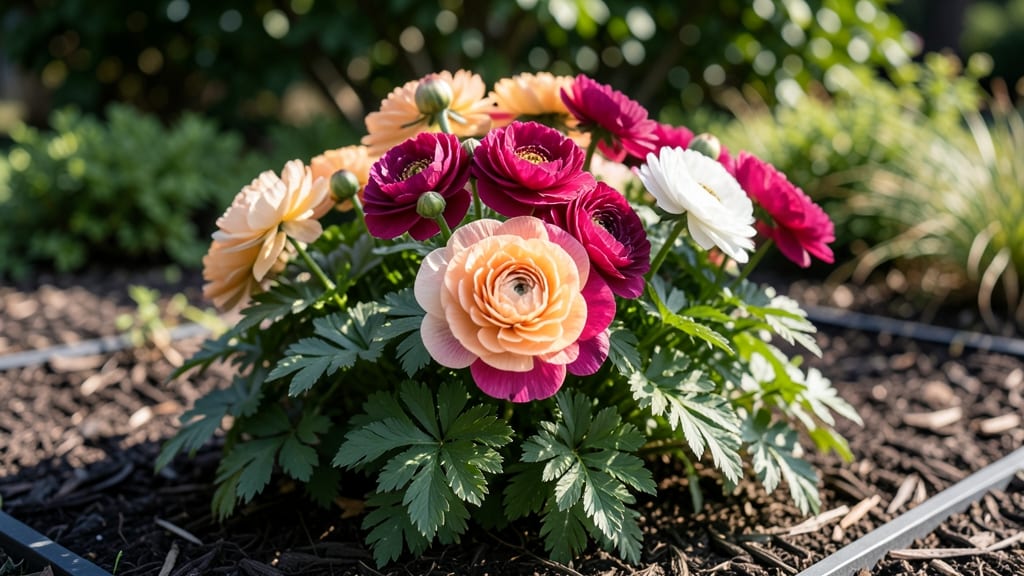
Ranunculus do not bloom all summer: most varieties flower prolifically in spring and early summer, then decline by mid-to-late summer as temperatures rise, though some rebloom with proper care and deadheading. Cool-season types thrive best in spring and fall.
Most ranunculus varieties follow a natural bloom cycle tied to temperature and daylight. 🌸 When summer heat exceeds 75°F, many go dormant to conserve energy, though consistent deadheading and shade can extend their season. Cool-season types like 'Stargazer' often perk up again in fall when temperatures drop.
The key is understanding your climate—some regions get a second bloom wave in late summer if you provide afternoon shade and consistent moisture.
For gardeners in hot climates, choosing heat-tolerant cultivars or planting in partial shade can make a noticeable difference. I've seen 'Persian Jewel' varieties last nearly twice as long in my 80°F+ zone when mulched properly.
The trade-off? These plants may need more frequent watering and protection from direct sun during peak afternoon hours.
💡 In This Article
- Why Ranunculus Bloom Seasons Are Seasonal
- Best Ranunculus Varieties for Extended Blooms
Why ranunculus bloom seasons are seasonal
Ranunculus plants evolved as cool-season annuals, meaning their natural bloom cycles align with temperature fluctuations rather than continuous summer heat. When daytime temperatures consistently exceed 75°F, these delicate flowers trigger a survival mechanism called thermodormancy—a heat-induced dormancy that conserves energy.
The stress response occurs because their native Mediterranean and Persian habitats experience hot, dry summers where blooming would be energetically wasteful without adequate moisture.
Daylight length plays a secondary but critical role. Ranunculus are short-day plants, meaning they respond to decreasing daylight hours (typical of late summer/fall) by resetting their growth cycle.
In my Zone 7b garden, I’ve observed that varieties like 'Buttercup' begin showing signs of dormancy when daylight drops below 14 hours—even if temperatures remain moderate. The combination of heat stress and shorter days creates a double whammy that halts flowering until conditions improve in fall.
What most gardeners don’t realize is how root zone temperature affects this process. Ranunculus roots prefer soil temps between 55-65°F—when summer sun heats the ground above 80°F, the roots essentially "shut down" their energy production.
This is why mulching with 2-3 inches of straw or wood chips can extend blooms by 2-4 weeks—it creates a cooler microclimate that delays the dormancy trigger.
There’s also a physiological trade-off: ranunculus allocate energy between blooming and bulb development. When stressed by heat, they prioritize forming new bulbs for next season over producing flowers. This explains why even well-watered plants may drop buds in 85°F+ conditions—they’re literally "saving themselves" for future growth.
The good news? Some varieties have adapted to tolerate slightly warmer conditions. For example, 'Persian Jewel' series can handle 80°F with afternoon shade, while 'Stargazer' types often rebloom in fall when nights cool below 65°F.
The secret lies in their genetic tolerance for moderate heat stress combined with efficient water use.
Consider this: a ranunculus plant in Phoenix (Zone 9a) may bloom for only 6-8 weeks in spring, while the same variety in Portland (Zone 8b) could extend to 10-12 weeks with proper care.
The difference? Portland’s cooler summers and more moderate temperature swings allow the plants to maintain blooming longer before triggering dormancy.