
Blooming
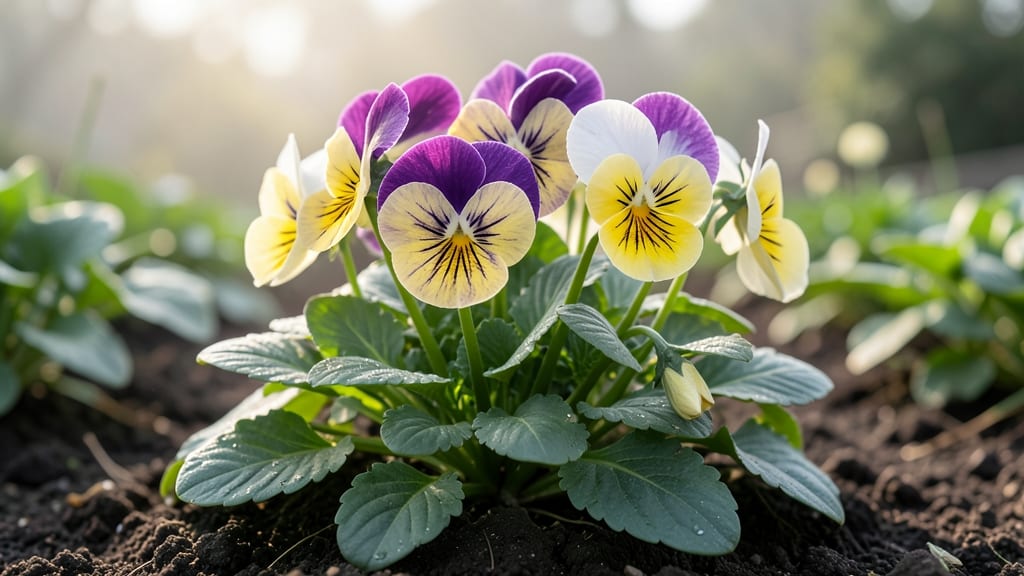
Pansies typically do not bloom all summer in most climates, especially in hot regions, since they prefer cooler temperatures. Most varieties flower best in spring and fall, while heat-resistant types may produce occasional blooms during summer when given partial shade.
Pansies are cool-season annuals, meaning they naturally slow their blooming in summer's heat. 🌸 The ideal temperature range for continuous flowering is between 55°F and 65°F, which explains why they often go dormant in warmer months.
However, some modern hybrids—like the 'Majesty' series—have been bred to handle slightly warmer conditions, though they still perform best with afternoon shade. If you're in a hotter climate (Zones 7-10), consider planting pansies in early spring or late summer for fall blooms instead.
For gardeners in transitional zones (like Zone 6), strategic placement can extend the blooming window. Planting pansies near trees or structures that provide afternoon shade can help preserve their petals during peak summer heat.
I've found that mulching around the base also keeps roots cooler, which indirectly supports occasional summer blooms. The key is managing expectations—even the hardiest varieties won't match their spring/fall performance during summer.
💡 In This Article
- Climate Zones and Pansy Bloom Seasons
- Best Heat-Tolerant Pansy Varieties for Extended Blooms
Climate Zones and pansy bloom seasons
Pansies are cool-season plants, meaning their blooming cycles are directly tied to temperature and daylight hours. Their ideal growing range is between 55°F and 65°F, which explains why they peak in spring and fall when temperatures are moderate.
In colder climates like Zone 5, pansies often bloom from early spring until late fall, with a brief pause during summer's heat. The reason? When temperatures rise above 75°F, pansies enter a form of summer dormancy, conserving energy and slowing down flowering until cooler weather returns.
Daylight length also plays a crucial role. Pansies are short-day plants, meaning they respond to decreasing daylight hours by producing more flowers—a phenomenon called photoperiodism. In summer, longer daylight hours (14+ hours) signal the plant to focus on survival rather than reproduction.
This is why even heat-tolerant varieties may produce fewer blooms during peak summer months. In contrast, regions like Zone 9 experience year-round mild temperatures, but pansies still require cooler conditions to thrive, often blooming best in winter and early spring.
The science behind this involves a hormone called florigen, which triggers flowering in response to environmental cues. In hot weather, florigen production decreases while stress hormones like abscisic acid increase, causing the plant to prioritize survival over blooming.
This is why you'll notice pansies in hot climates often develop more foliage than flowers during summer months. 🌡️ The good news? This dormancy is temporary—once temperatures drop, pansies bounce back with vigor, often producing even more blooms than their spring display.
Regional variations create distinct bloom patterns. In cooler northern zones (like Zone 4), pansies may bloom from late spring through early fall, while in warmer southern zones (like Zone 8), they might only bloom reliably in winter and early spring.
The transition zones (Zones 6-7) offer the most flexibility, where pansies can be planted in early spring for summer blooms or in late summer for fall displays. This adaptability makes them one of the most versatile cool-season flowers for gardeners.
What most gardeners don't realize is that pansies can actually handle light frosts, which further extends their blooming window in cooler climates. The key is understanding your local microclimate—areas near large bodies of water or with afternoon shade can maintain cooler temperatures, allowing pansies to bloom longer.
For example, a garden in Zone 7 with afternoon shade might see pansies blooming continuously from March through November, while an unshaded area might only get spring and fall blooms.
To maximize summer blooms in hotter regions, consider planting pansies in containers that can be moved to shaded areas or even indoors during peak heat. This flexibility is one of the reasons pansies remain popular in both garden beds and patio containers.
The trade-off? You'll need to monitor soil moisture closely, as containers dry out faster and stressed plants produce fewer flowers. 💧