
Blooming
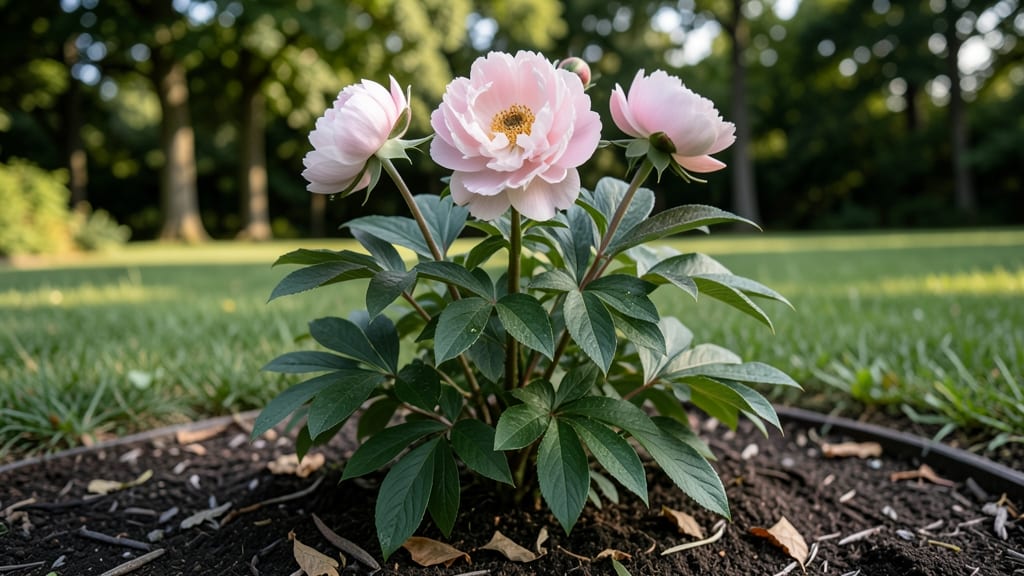
Some peony varieties bloom more than once a year, particularly Itoh hybrids and intersectional peonies, which produce two distinct bloom cycles—once in spring and again in late summer—with proper care and well-draining soil.
Most peonies follow nature's annual rhythm, bursting with flowers just once in spring, but these repeat-blooming varieties defy the odds through careful breeding. 🌸 The secret lies in their genetic makeup—crossing herbaceous and tree peony traits creates plants that store energy differently, allowing them to push through a second flush of blooms.
What's fascinating is how timing matters: the late summer blooms often appear smaller but just as fragrant, rewarding gardeners who provide consistent moisture and balanced nutrients throughout the growing season.
To maximize your chances of seeing that second bloom, focus on three key factors: pruning, feeding, and protection. After the first bloom cycle, trim spent flowers but leave the foliage intact until it yellows naturally—this helps the plant photosynthesize for its next growth phase.
Feed with a low-nitrogen fertilizer in early summer and water deeply but infrequently to encourage strong root development. And don't forget winter protection in colder climates, as these hybrid varieties need consistent care to perform their floral magic twice a year.
💡 In This Article
- Peony Varieties That Bloom Twice a Year
- Care Tips to Encourage Second Peony Blooms
Peony varieties that bloom twice a year
The ability to bloom twice stems from careful botanical engineering. Itoh hybrids, created by crossing herbaceous peonies with tree peonies, inherit the herbaceous plant's vigor and the tree peony's ability to store energy in woody stems.
This hybrid vigor allows them to produce two distinct bloom cycles—spring and late summer—while maintaining larger, more robust flowers than their single-blooming counterparts.
The intersectional peonies, another repeat-blooming group, combine traits from multiple peony types, creating plants that can push through a second flush of blooms with 10-20% smaller flowers but equally impressive fragrance.
Seasonal timing reveals the fascinating biology behind this phenomenon. The first bloom occurs in spring when the plant's energy reserves are at their peak, fueled by stored nutrients from the previous growing season.
What's remarkable is how these varieties manage to rebuild their energy reserves after the first bloom—typically between 6-8 weeks—to produce a second, smaller flush in late summer. This requires precise hormonal regulation, where the plant must balance flowering signals with vegetative growth to avoid exhausting itself before winter.
The late summer blooms often appear 3-4 weeks later than the spring display, typically between August and September in most growing zones.
Visual differences help gardeners identify these repeat-blooming varieties. Itoh hybrids often feature double blooms with lush, layered petals in shades of pink, red, or white, while intersectional peonies may showcase more delicate, semi-double flowers.
The foliage also differs—herbaceous types die back to the ground each winter, while tree peony relatives maintain their woody stems year-round. This structural difference affects how they store and redistribute nutrients, with tree peony traits providing the energy reserves needed for that second bloom cycle. 🌸
Not all repeat-blooming peonies perform equally across climates. In USDA zones 3-7, Itoh hybrids like 'Bartzella' and 'Coral Charm' reliably produce two bloom cycles, while intersectional varieties such as 'Sarah Bernhardt' may struggle in colder regions.
The key genetic trait enabling reblooming is the plant's ability to maintain active meristems (growth points) throughout the growing season, allowing it to initiate new flower buds even after the first display.
This is in stark contrast to traditional herbaceous peonies, which allocate all their energy to a single, spectacular spring bloom.
For those curious about fragrance, repeat-blooming varieties often deliver just as intensely as their single-blooming cousins. The late summer blooms may be smaller but frequently pack the same sweet, honey-like aroma that makes peonies so beloved.
This is particularly true for varieties like 'Kansas' and 'Coral Charm', where the second bloom cycle can be just as fragrant as the first, creating a prolonged display that extends your garden's seasonal interest. The trade-off?
These varieties typically require 10-15% more maintenance to achieve their full potential compared to single-blooming types.
What most gardeners don't realize is how these varieties manage their energy budget. After the first bloom, the plant enters a period of rapid foliage growth to rebuild its carbohydrate reserves through photosynthesis. This is why leaving the foliage intact—even after the first flowers fade—is crucial.
The plant needs these leaves to manufacture the sugars that will fuel the second bloom cycle. Without this foliage, the plant would be unable to produce the energy required for that late summer display. 💫