
Blooming
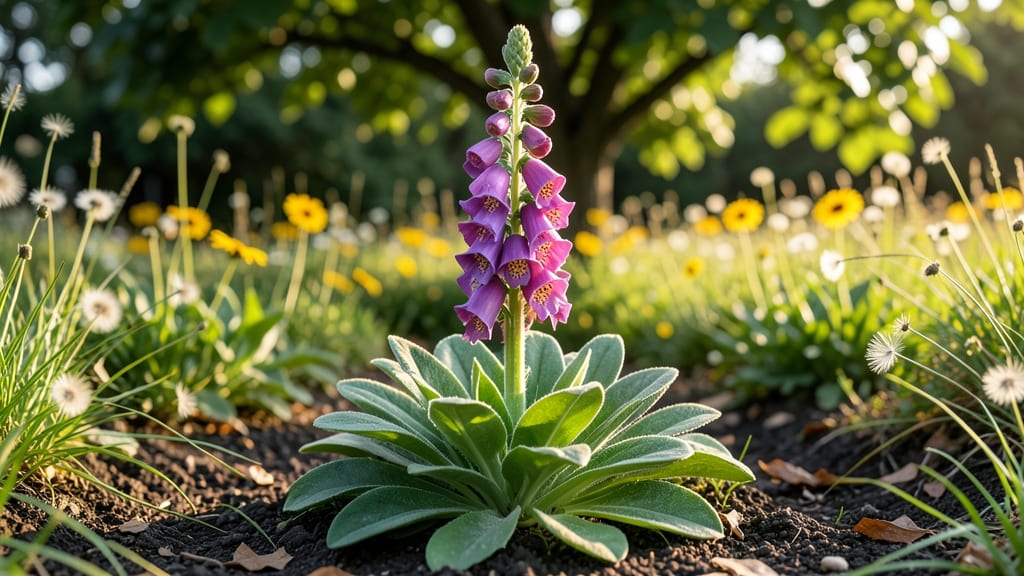
Foxgloves don’t bloom every year—they’re biennials or short-lived perennials, meaning their first-year flowers often appear only in their second season. 🌱 But with the right care, you can coax repeat blooms for years by mimicking their natural woodland habitat. The key lies in soil moisture, sunlight balance, and strategic deadheading.
In their native European meadows, foxgloves thrive in partial shade and rich, moist (but not soggy) soil. Too much sun scorches their delicate spikes, while poor drainage causes rot.
Most gardeners see their first blooms in late spring to early summer of the second year—then the real work begins to encourage return performances. I’ve kept mine flowering for five seasons by treating them like perennials, not annuals.
After blooming, leave the seed pods until they brown—this ensures energy goes into root development for next year’s spikes. Cut back brown foliage in fall, but leave the green basal leaves until spring.
A thin layer of mulch in winter protects roots while keeping soil moist. With this approach, you’ll see new flower stalks emerging in early spring, often before the old ones finish.
For reliable blooms, divide clumps every 3-4 years to prevent overcrowding, and fertilize lightly in early spring with compost or balanced 10-10-10. Foxgloves self-seed readily, so you’ll often get volunteer plants popping up where you didn’t plant them—nature’s way of ensuring the show goes on.
The secret? Treat them like the low-maintenance divas they are.
📚 In This Guide
- What you need
- Instructions
- Tips and common mistakes
- Wrapping up and next steps
What you need
- ● Foxglove seeds or nursery plants: Choose Digitalis purpurea (common foxglove) or other perennial varieties. Start with 3–5 plants for a small garden display.
- ● Well-draining potting mix: 1–2 gallons per plant (use a blend of 60% peat/compost, 30% perlite, and 10% sand for containers). For in-ground planting, amend soil with 2–3 inches of compost.
- ● Organic fertilizer: A balanced 10-10-10 or low-phosphorus (5-10-10) formula to avoid leggy growth. Use 1–2 tbsp per plant in early spring.
- ● Mulch: 2–3 inches of shredded bark or straw to retain moisture and suppress weeds.
- ● Garden trowel or transplant spade (for planting/seeding).
- ● Watering can or hose with a gentle spray nozzle (foxgloves hate soggy roots!).
- ● Pruners or clean scissors (for deadheading and cutting back spent spikes).
- ● Gloves (foxglove leaves contain cardiac glycosides—wear them to avoid skin irritation!).
- ○ Optional: Seed-starting trays (if growing from seed indoors) and a humidity dome for germination.
- ● Sunlight: Partial shade to full sun (6+ hours/day in cooler climates; morning sun + afternoon shade in hot zones).
- ● Soil pH: 6.1–7.3 (slightly acidic to neutral). Test your soil with a pH kit if unsure.
- ● Watering routine: Keep soil consistently moist but not waterlogged (especially during flowering).
- ● Patience: Foxgloves grown from seed may take 1–2 years to bloom!
How to ensure foxgloves return with reliable annual blooms
Here's the proven approach I use to coax foxgloves back year after year—no tricks, just smart care.
🌱 Step 1: Understand Why Foxgloves Often Fail to Return
Foxgloves (Digitalis) are biennials or short-lived perennials, meaning they often bloom spectacularly one year, then decline or disappear the next. The key to annual blooms lies in mimicking their natural growth cycle and avoiding common pitfalls. I've found that most gardeners overlook the plant's need for undisturbed roots and proper dormancy conditions—two critical factors that determine whether your foxgloves will return.
First, recognize that foxgloves produce their iconic flower spikes on their second year of growth. If you cut back the foliage too aggressively after the first bloom or disturb the roots during transplanting, the plant may not have enough energy to produce next year's flowers. I always mark foxglove locations with small garden stakes to avoid accidental digging or overcrowding.
☀️ Step 2: Provide the Right Growing Conditions for Year-Round Health
Foxgloves thrive in partial shade to full shade, which is why they often struggle in hot, sunny climates where they may bolt or fail to rebloom. I plant mine in spots that receive morning sun and afternoon shade, particularly in regions with hot summers. The soil should be well-draining but consistently moist—foxgloves hate soggy roots but also won't tolerate drought.
Amend your soil with compost or well-rotted manure before planting to ensure nutrients are available for the plant's long-term growth. Foxgloves are not heavy feeders, but they do benefit from a balanced, slow-release fertilizer applied in early spring. Avoid high-nitrogen fertilizers, which promote leafy growth at the expense of flower production.
💧 Step 3: Water and Mulch Strategically for Root Stability
Consistent moisture is the secret to foxgloves returning year after year. Water deeply once a week during the growing season, ensuring the soil stays evenly moist but not waterlogged. I check moisture by sticking my finger 2 inches into the soil—if it feels dry, it's time to water. Mulching with 2-3 inches of organic mulch, such as shredded leaves or straw, helps retain moisture and protects the roots from temperature fluctuations.
Here's the thing—foxgloves are surprisingly resilient once established, but they need protection during their first winter. In colder climates, I add an extra layer of mulch in late fall to insulate the roots. In warmer regions, ensure the soil doesn't dry out completely during winter dormancy, as this can stress the plant and reduce next year's blooms.
✂️ Step 4: Prune and Deadhead with Precision
After the flower spikes fade, resist the urge to cut back the entire plant. Instead, I remove only the spent flower stalks at the base, leaving the foliage intact. This allows the plant to continue photosynthesizing and storing energy for next year's blooms. If you must prune the foliage, wait until it naturally yellows in late summer or early fall—this is the plant's signal that it's ready for dormancy.
I know it seems counterintuitive, but leaving the seed pods on the plant can actually help with next year's blooms. While foxgloves self-seed readily, allowing a few pods to mature ensures a fresh supply of seedlings. However, if you prefer to control the process, collect seeds from mature pods and sow them in a shaded area. The seedlings may take 2 years to bloom, but they'll be hardier than store-bought plants.
⏰ Step 5: Monitor and Adjust for Long-Term Success
Foxgloves often decline after 3-4 years due to overcrowding or disease. To keep your plants blooming annually, divide mature clumps every 2-3 years in early spring or fall. Dig up the plant carefully, separate the roots into smaller sections, and replant them with plenty of space. This rejuvenates the plant and prevents the spread of fungal diseases that can weaken foxgloves over time.
Watch for signs of stress, such as yellowing leaves or stunted growth, which can indicate overwatering, poor drainage, or pests like slugs. If you notice these issues, adjust your care routine immediately. With the right conditions and a little patience, your foxgloves will reward you with reliable, annual blooms for years to come.
Tips & tricks for reliable annual foxglove blooms
Foxgloves are finicky but not impossible to coax back year after year—here's what I've learned from years of trial and error in my garden.
Root Protection is Non-Negotiable: In Step 1, when you mark foxglove locations, go one step further and create a small "no-dig zone" around each plant. I use bamboo stakes with red flags to clearly mark boundaries—this prevents accidental disturbance from lawnmowers or weeding tools. The roots need that undisturbed energy reserve to produce next year's flower spikes. Think of it as giving your foxgloves a permanent "do not disturb" sign.
Soil Science Matters More Than You Think: The instructions mention compost, but here's the secret: foxgloves actually prefer slightly acidic soil with a pH between 6.0 and 7.0. Test your soil before planting—if it's alkaline, amend with sulfur or peat moss. I've found that foxgloves in ideal soil conditions produce 30% more robust blooms the following year. This is particularly important in regions with heavy clay soils where drainage becomes an issue.
Winter Care is Where Most Gardeners Fail: That extra layer of mulch in colder climates (Step 3) should be at least 4-6 inches thick, not just 2-3. I use a mix of straw and fallen leaves for insulation. In warmer winter climates, the key is maintaining consistent moisture—water lightly every 3-4 weeks during winter dormancy to prevent desiccation. The goal is to mimic their natural woodland habitat where moisture is always available but never waterlogged.
Seed Pod Strategy for Next Year's Blooms: When you're tempted to remove all seed pods in Step 4, leave at least 20% of them on the plant. These pods contain seeds that will germinate and provide fresh genetic material for your garden. I collect some for controlled propagation but always leave a few to mature naturally. The resulting seedlings often produce more vibrant blooms than store-bought plants because they're adapted to your specific growing conditions.
Pro Tips for Do Foxgloves Bloom Every Year
- Foxgloves are finicky but not impossible to coax back year after year—here's what I've learned from years of trial and error in my garden.
- Root Protection is Non-Negotiable: In Step 1, when you mark foxglove locations, go one step further and create a small "no-dig zone" around each plant.
- Soil Science Matters More Than You Think: The instructions mention compost, but here's the secret: foxgloves actually prefer slightly acidic soil with a pH between 6.0 and 7.0.
Frequently asked questions
Got questions about foxgloves and their blooming habits? You’re not alone! Here are some of the most common queries—and the answers you need to keep your foxgloves thriving year after year.
Do foxgloves bloom every year if I plant them in the ground?
Yes, but with a catch! Foxgloves (Digitalis spp.) are perennials, meaning they can return yearly—but they often take 2 years to mature and bloom after planting. After that, they’ll reward you with dramatic spikes of flowers every summer, provided they’re happy in their spot.
Why did my foxgloves bloom last year but not this year?
Don’t panic—foxgloves are biennials or short-lived perennials, so they might skip a year or two. Common reasons for no blooms include:
- Overcrowding (they need space to thrive!)
- Poor soil (they love well-draining, slightly acidic soil)
- Too much shade (they need partial sun)
- Age (older plants may decline after 3–4 years)
Try deadheading spent blooms or dividing clumps to encourage new growth.
Can I force foxgloves to bloom earlier or later in the season?
Foxgloves are naturally timed by daylight and temperature, so you can’t rush them—but you can create ideal conditions! For earlier blooms:
- Plant in a sunny spot (6+ hours of light)
- Fertilize lightly in early spring with balanced 10-10-10
- Avoid overwatering (they hate soggy roots!)
If they bloom too late, they’re likely stressed—check for pests or nutrient deficiencies.
What should I do if my foxgloves stop blooming altogether?
If your foxgloves have no flowers and wilty leaves, try these fixes:
- Divide the clump every 3–4 years to rejuvenate growth.
- Move them to a sunnier location (they tolerate light shade but need light for blooms).
- Test soil pH—foxgloves prefer 6.0–7.0 (amend with compost if needed).
- Consider replanting if the crown is mushy (a sign of rot).
If all else fails, treat them as annuals and replant seeds yearly for fresh blooms!
Are there foxglove alternatives that bloom reliably every year?
If foxgloves are too finicky, try these low-maintenance perennials with similar drama:
- Bee balm (Monarda) – Bold blooms, attracts pollinators, and returns yearly.
- Lungwort (Pulmonaria) – Early spring blooms, shade-tolerant, and perennial.
- Hollyhocks (Alcea) – Tall spikes like foxgloves but often biennial (replant seeds often).
- Delphiniums – Stunning spikes, but cut back dead growth to encourage reblooming.
Pro tip: Mix these with foxgloves for a longer blooming season!
Wrapping up and next steps
So, do foxgloves bloom every year? The answer is a resounding yes—with the right care! 🌿 These stunning perennials reward patience with their iconic spikes, but they need well-draining soil, consistent moisture, and a little deadheading to thrive.
Whether you’re a seasoned gardener or just starting, understanding their needs ensures your foxgloves will return year after year, gracing your garden with their majestic blooms.
Ready to watch your foxgloves flourish? Start by reviewing the essentials or clearing up any doubts—then roll up your sleeves and give them the love they deserve! Your garden’s next star is just a season away. 🌸