
Blooming
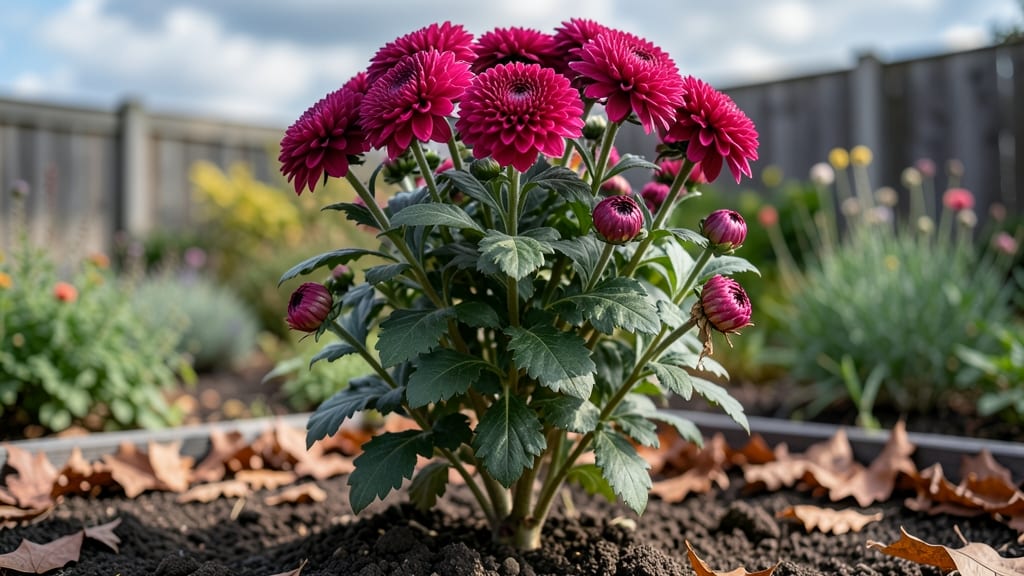
Do mums bloom more than once? The answer depends on the variety—most mums bloom just once per season, but reblooming types can produce multiple flower cycles with proper care.
This difference comes down to two key factors: variety selection and environmental triggers. 🌸 Reblooming mums are bred specifically to respond to specific light and temperature cues, often requiring 10-12 hours of daylight followed by cooler nights to restart flowering.
I've found that gardeners in zones 7-9 often see better results because the natural seasonal shifts create ideal conditions. Even then, you'll need to stay vigilant about deadheading spent blooms and adjusting watering—overhead moisture can stress the plants just as they're preparing for their next flush.
What's fascinating is how heat plays both roles—helper and hindrance. While gradual heat exposure in late summer signals reblooming varieties to produce new buds, sudden heatwaves can actually shock the plants into dormancy. This is why I recommend monitoring your local weather patterns and planning your care schedule around them.
For example, if you're in a region with unpredictable summer heat, you might need to provide afternoon shade during critical reblooming periods.
💡 In This Article
- How Heat and Daylight Influence Mum Reblooming
- Step-by-Step Guide to Encouraging Reblooming Mums
How heat and daylight influence mum reblooming
Chrysanthemums use a process called photoperiodism to time their blooming cycles. Most varieties need 10-12 hours of daylight followed by cooler nights (around 60-65°F) to trigger flower buds. This natural cycle explains why you typically see one big bloom in fall—it's their built-in response to shortening daylight.
However, reblooming mums are genetically modified to break this cycle, allowing them to produce multiple flushes when given the right conditions. The key is maintaining consistent temperatures between 65-75°F during the day while ensuring nights stay cool enough to prevent heat stress.
Heat acts as both a catalyst and a potential disruptor. Gradual warming in late summer (around 70-75°F) signals reblooming varieties to initiate new growth, but sudden spikes above 85°F can shock the plant into dormancy.
This is why gardeners in hot climates often see better results by providing afternoon shade during critical reblooming periods. 🌞 The plant's internal clock relies on this temperature gradient—too much heat too quickly confuses the signaling pathways that trigger bud formation.
Daylight duration also plays a crucial role. Standard mums bloom in response to shorter days, but reblooming types need this cycle to be "reset" artificially. This is why many gardeners use black plastic mulch in summer—it raises soil temperatures slightly, creating the gradual warmth that mimics natural seasonal transitions.
Without this careful balance, even reblooming varieties may only produce one flush. The science here is fascinating: chrysanthemums contain specific proteins that respond to light duration, and heat helps activate these proteins at the right time.
Cooler nights (below 60°F) are equally important—they help the plant conserve energy while still allowing growth. This is why you'll often see better reblooming in regions with moderate climates rather than extreme heat or cold.
The plant needs this thermal contrast to properly metabolize nutrients and prepare for new flower buds. Without it, the energy gets diverted to leaf growth instead of blooming. 🌡️ Think of it like a plant version of needing both exercise and rest to perform at its best.
Light quality matters too. While duration is critical, the spectrum of light affects reblooming potential. Chrysanthemums respond best to natural sunlight with its full spectrum, including ultraviolet rays.
Artificial grow lights can supplement, but they need to replicate this spectrum closely—standard LED bulbs often miss the critical UV wavelengths that trigger flowering hormones. This is why indoor-grown mums rarely rebloom naturally unless given specialized lighting setups.
What most gardeners don't realize is how soil temperature factors into this equation. The roots need consistent warmth (around 65°F) to support the above-ground growth. Cold soil can stunt root development, which directly impacts the plant's ability to produce new flowers.
This is why mulching isn't just about moisture—it also helps regulate soil temperature. The combination of proper daylight, controlled heat exposure, and stable soil temperatures creates the perfect storm for successful reblooming.