
Flowers
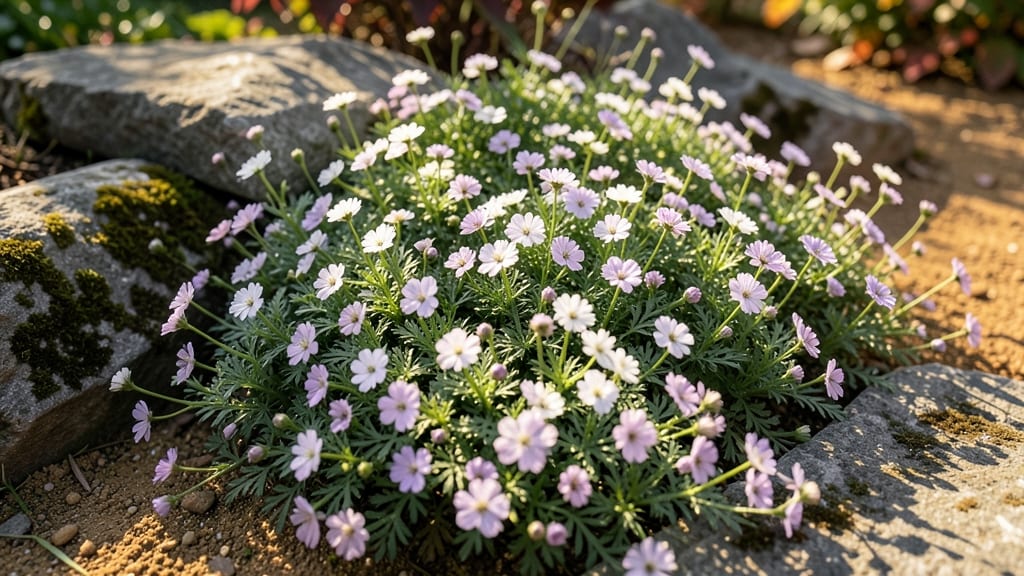
Fall gardens don’t have to fade into brown—these 10 vibrant annuals extend your seasonal color show with bold blooms, cold tolerance, and easy care. Perfect for gardeners in cooler climates craving late-season beauty without the fuss of perennials.
Mums with Frost-Proof Petals
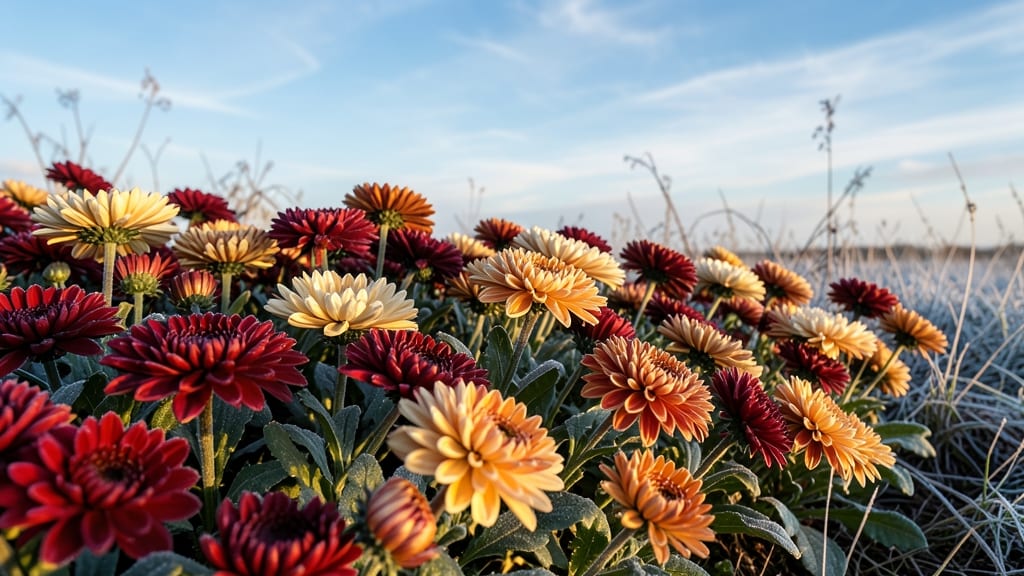
When the air turns crisp and other annuals fade, chrysanthemums (mums) step up with their frost-proof petals and vibrant fall hues. Unlike most annuals that bolt in cool weather, these cold-hardy varieties like 'Autumn Joy' or 'Polar Bear' actually thrive in temperatures as low as 25°F, extending your seasonal color show well into November.
Plant them in full sun to partial shade for the best blooms, and choose compact varieties for containers or taller types for borders. Deadhead spent blooms to encourage more flowers, and fertilize lightly every 4-6 weeks. Their daisy-like blooms in pink, gold, and burgundy make them a standout for fall weddings, cutting gardens, or simply brightening up patios.
These mums are perfect for beginners or busy gardeners—they’re low-maintenance yet high-impact, and their late-season blooms provide nectar for bees when other flowers have faded. 🌻
Copper Canyon Dahlias
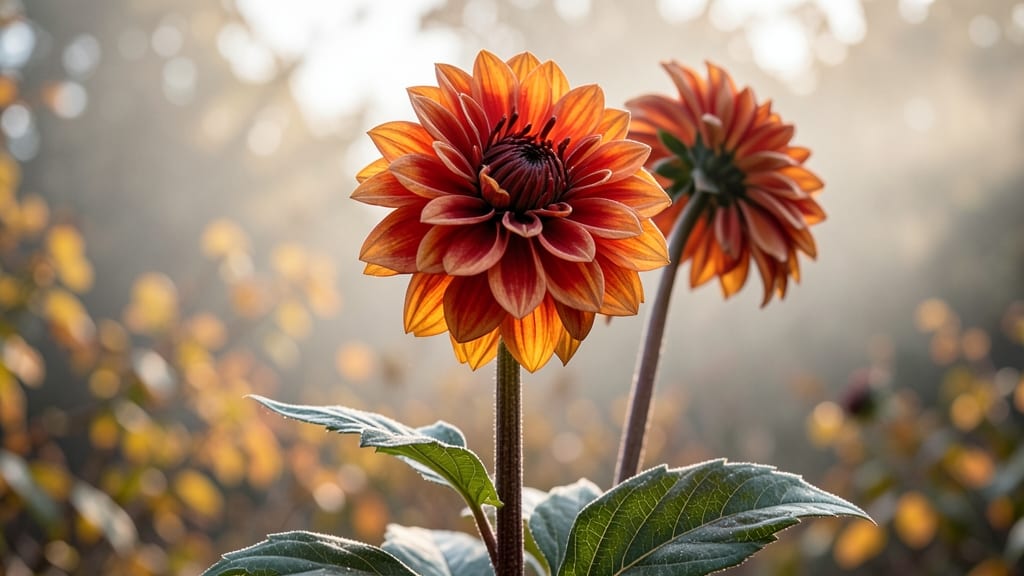
When you crave dramatic fall color that refuses to bow to early frost, Copper Canyon Dahlias deliver showstopping blooms in fiery orange-red hues. These dinner-plate-sized flowers stand tall (often reaching 4-5 feet) and thrive in cooler temperatures, making them ideal for late-season gardens.
Plant them in full sun with well-draining soil, and stake them early to support their sturdy stems. The ruffled petals make perfect cutting flowers, lasting 7-10 days in vases, while their bold color contrasts beautifully against purple asters or golden calendula. Deadhead regularly to encourage more blooms until the first hard frost.
Perfect for gardeners who want impact without fuss, these dahlias bring tropical flair to mixed borders or container arrangements. Their cold tolerance makes them a standout choice for extending your fall garden's wow factor. 🌻
Black-Eyed Susan Vine
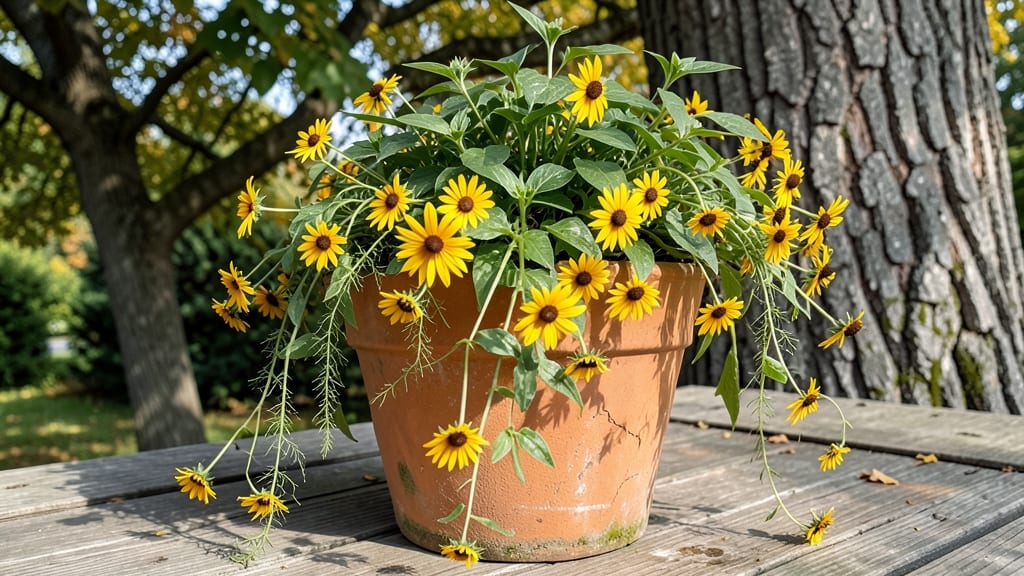
If you love the classic Black-Eyed Susan but wish it had a trailing habit, this vine version delivers the same cheerful golden blooms with a cascading charm. Unlike its upright cousin, this annual thrives in partial shade, making it perfect for under trees or on north-facing porches where full sun would scorch other plants.
Plant seeds directly after the last frost date, and watch vines spill over trellises or containers in just a few weeks. The mildew-resistant foliage means fewer chemical treatments than traditional marigolds, while the bright blooms attract pollinators well into fall. Deadhead spent flowers to encourage continuous blooming until frost.
This is the ideal choice for gardeners with limited space or shady spots—it brings year-round color with minimal fuss. 🌻
Pansies with Winter-Ready Varieties
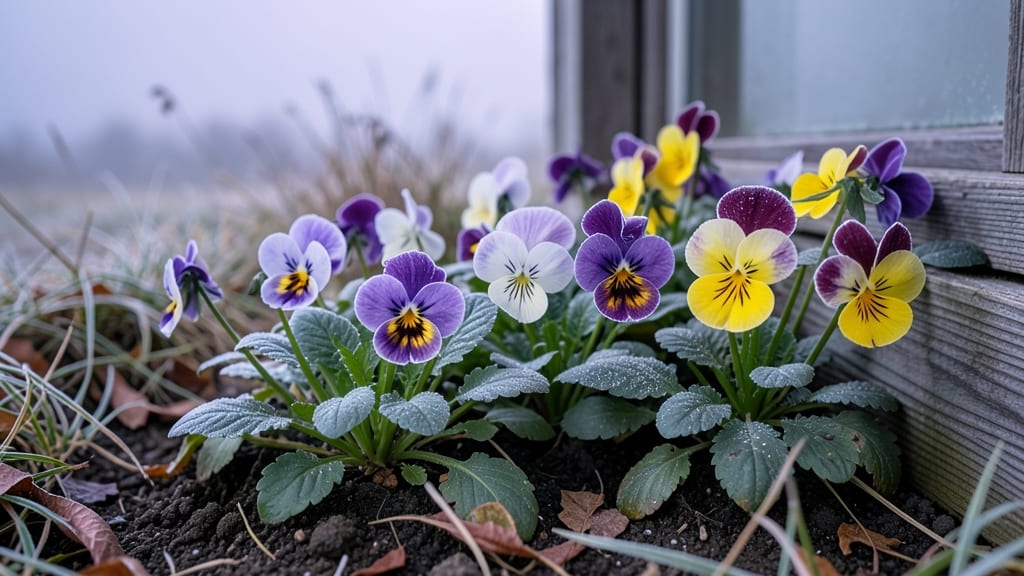
When frost nips at other flowers, pansies in the 'Matrix' or 'Cool Wave' series refuse to quit. These cold-tolerant varieties thrive in temperatures down to 20°F, offering vibrant purple, yellow, and bi-color blooms that brighten chilly days—whether tucked into garden beds or cascading from window boxes.
Beyond their hardiness, these edible flowers add a peppery flavor to salads, and their compact size makes them perfect for small spaces. Plant them in well-draining soil with 4-6 hours of sun for continuous blooms from early fall through winter. Their cheerful faces even attract pollinators when other flowers have faded. 🌱
Russian Sage with Late-Season Purple Spikes
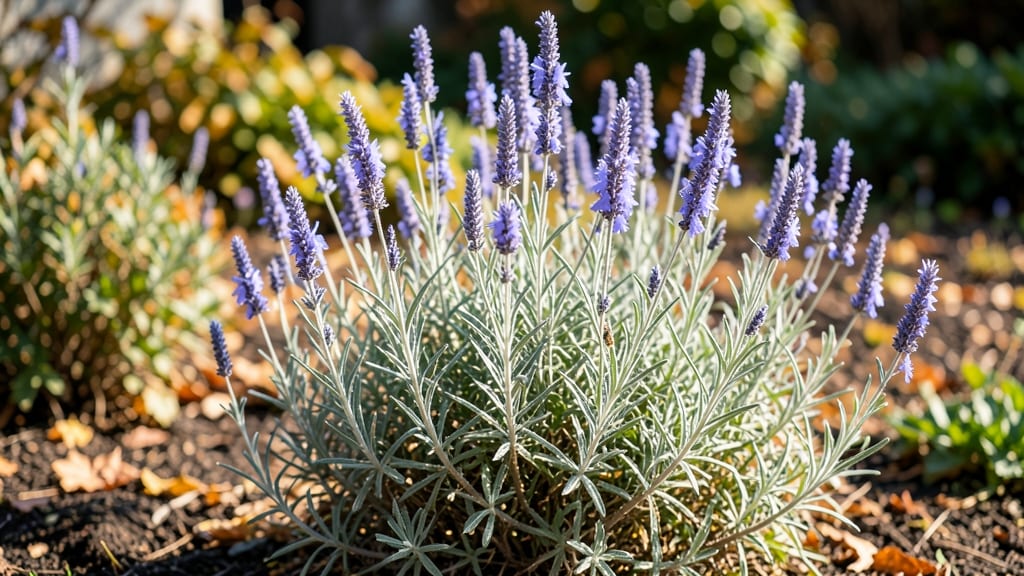
If you love the scent of lavender but want something that thrives well into autumn, Russian sage is your secret weapon. This drought-resistant plant produces fragrant, lavender-blue flower spikes that keep blooming until November, long after most annuals have faded.
Plant it in full sun with well-drained soil—it’s so drought-tolerant you’ll forget to water it. The silvery foliage adds texture, while the vertical spikes attract bees and butterflies, making it a pollinator magnet. Deadhead spent blooms to encourage more flowers.
Perfect for dry gardens, urban containers, or pollinator-friendly borders, Russian sage brings both beauty and fragrance to late-season gardens. 💚
Calendula for Golden Fall Borders
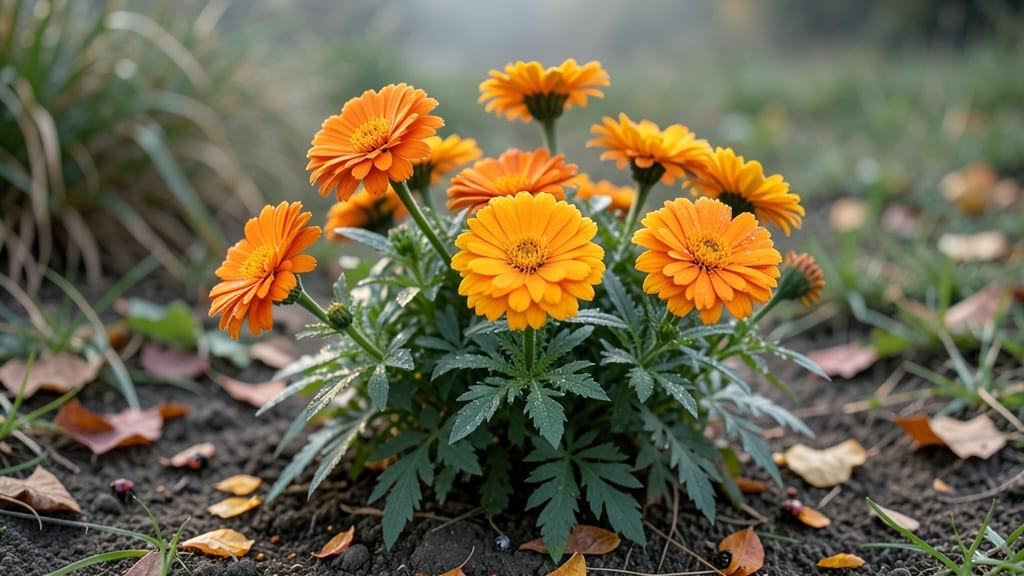
Want a low-maintenance, self-sustaining plant that brightens fall borders with golden cheer? Calendula (pot marigold) delivers vibrant orange blooms that thrive even as temperatures drop below 40°F, making it a standout for late-season color.
This edible annual attracts beneficial insects like ladybugs and hoverflies while self-seeding prolifically, ensuring fresh blooms year after year. Plant in full sun with well-draining soil, and deadhead spent flowers to encourage continuous blooming. The petals are also safe for culinary use, adding a peppery flavor to salads.
Ideal for beginners or busy gardeners, calendula’s resilience and dual-purpose beauty make it a must-have for golden fall borders that keep giving. 🌻
Snapdragons in Deep Wine Colors
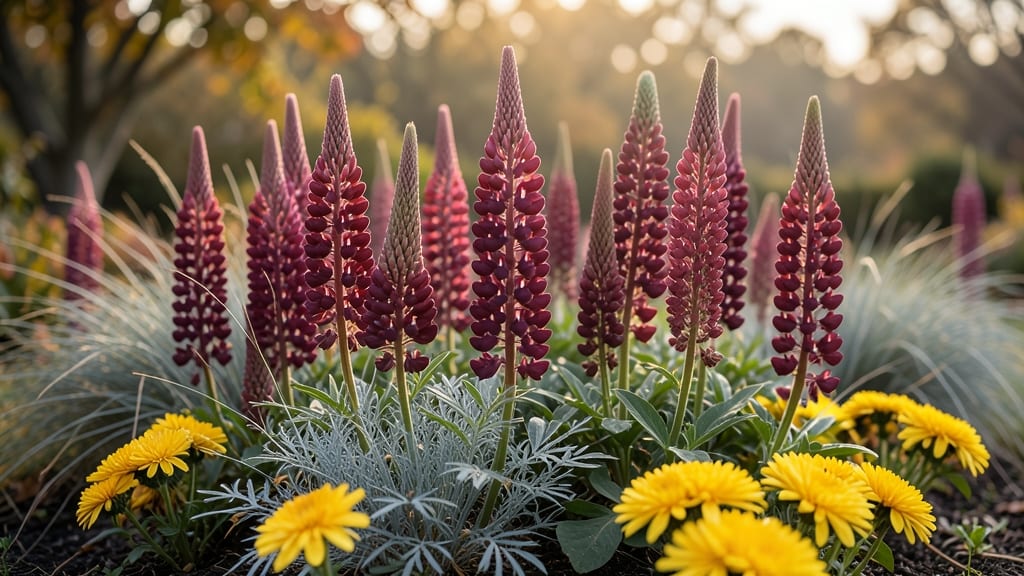
When your fall garden needs a touch of old-world elegance, snapdragons in deep wine colors deliver vertical drama that stops the eye. These tall, spiky blooms—like 'Rocket' or 'Black Prince'—bring burgundy and magenta hues that pair beautifully with golden chrysanthemums and silver foliage.
Unlike their summer counterparts, fall-blooming snapdragons thrive in cooler temperatures (down to 30°F) and often last 4-6 weeks longer when planted in early September. Deadhead spent blooms to encourage new flowers, and stake taller varieties to prevent flopping. Their fragrant, dragon-like blooms also attract hummingbirds, adding movement to your late-season garden.
Perfect for cutting gardens or mixed borders, these snapdragons are a must for gardeners who love height and texture. Their bold colors create striking contrasts against autumn foliage, making them ideal for both country-style and modern arrangements. 🌷
Aster with Starry Blue-Purple Clusters
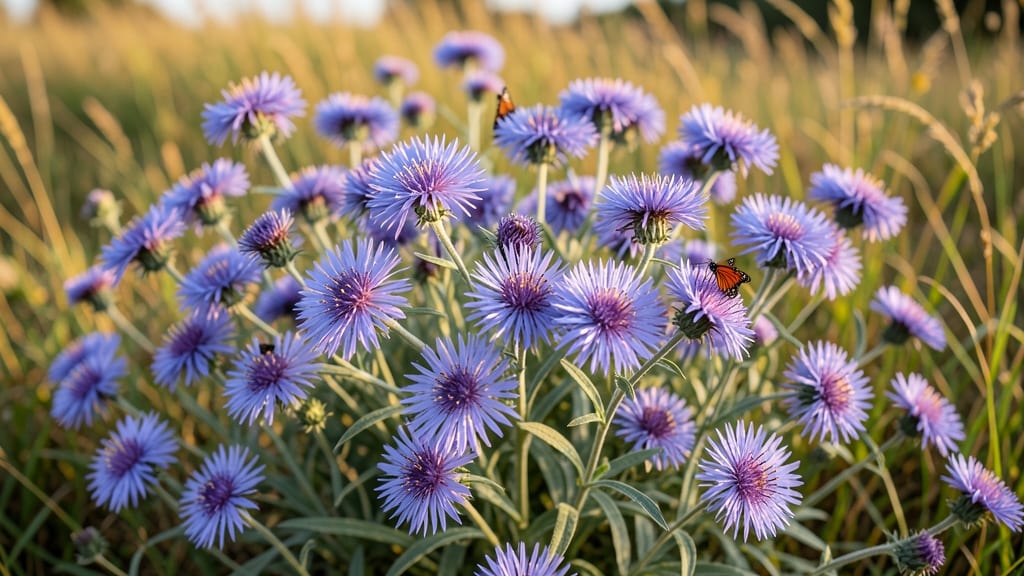
Skip the fuss of finicky perennials—fall-blooming aster delivers effortless charm with its starry blue-purple clusters that thrive in poor soil and attract monarchs. This native-inspired annual brings wildflower meadow beauty to your garden with minimal effort.
Plant in full sun to part shade and watch it flourish in USDA zones 3-9, even tolerating clay or rocky soil. Deadhead spent blooms to encourage more flowers, and enjoy weeks of late-season color when other annuals fade. The delicate, daisy-like blooms create a dreamy, airy effect perfect for meadow-style plantings or wildflower gardens.
Gardeners seeking low-maintenance, pollinator-friendly plants will love how aster fills gaps naturally while requiring almost no special care. It’s the ideal choice for beginner-friendly fall gardens that still feel wild and natural. ✨
Celosia with Velvet Red Plumes
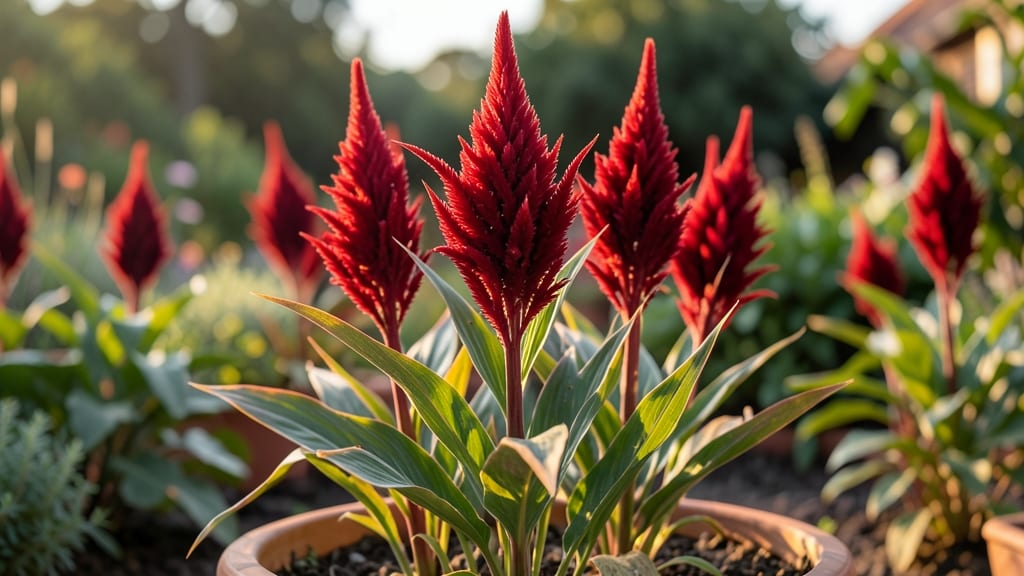
Want a plant that thrives in summer’s heat but delivers dramatic fall color without fuss? Celosia with its velvet red plumes fits the bill perfectly—its flame-shaped blooms add a tropical touch to containers or cutting gardens long after other annuals fade.
This versatile annual handles full sun and dry spells like a champ, making it ideal for hot summer months. As temperatures cool, its crimson or golden blooms take center stage, lasting well into fall. For best results, deadhead spent flowers to encourage more blooms, and pair with calendula or snapdragons for a striking fall arrangement.
Urban gardeners and container lovers will adore how celosia brings bold color to small spaces—its upright growth habit makes it a standout in mixed planters. Plus, its long-lasting blooms mean fewer replacements and more enjoyment. ✨
Sweet Alyssum for Honey-Scented Ground Cover

If you crave a garden that smells like a honeycomb on a crisp autumn day, sweet alyssum is your secret weapon. This delicate annual blankets the ground with tiny white or lavender flowers that release their intoxicating fragrance when brushed by a breeze—ideal for filling gaps in rock gardens or cascading over container edges.
Thriving in cool weather (USDA Zones 7-10), sweet alyssum tolerates light frost and blooms prolifically from early fall through winter. Plant it in well-draining soil with 6+ hours of sun, and watch it self-seed for effortless renewal. Its low-growing habit (3-6 inches tall) makes it perfect for edging pathways or tucking between larger plants.
Urban gardeners and pollinator lovers will adore this low-maintenance workhorse—it attracts bees, deters pests, and adds a whimsical touch to fairy gardens. Just pinch back leggy stems to encourage bushier growth. 🌿