
Blooming
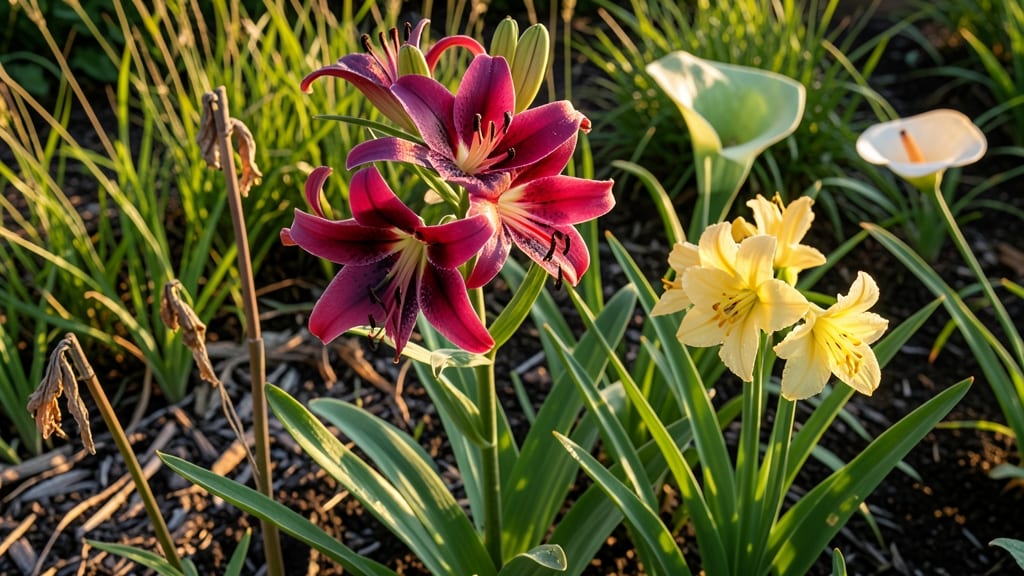
Lilies don't bloom all year—their flowering follows strict seasonal patterns tied to species, weather conditions, and natural growth cycles, with most varieties producing blooms in late spring through summer or fall before entering winter dormancy.
Most lilies are seasonal bloomers because they rely on specific temperature shifts and daylight hours to trigger flower production. 🌸 For example, Asiatic lilies typically bloom from early summer to early fall, while Oriental lilies prefer late summer to early fall.
Even tropical varieties, like the rain lily, have shorter bloom cycles compared to year-round tropical plants. The key to extending their blooming period lies in understanding each variety's natural rhythm and providing optimal growing conditions that mimic their preferred climate.
In controlled environments like greenhouses or indoor pots, you can push the boundaries of natural blooming seasons by adjusting light exposure and temperature. For instance, using grow lights during shorter winter days can encourage some varieties to bloom outside their typical window.
However, even with these adjustments, lilies will still need a period of rest to recharge before producing flowers again.
💡 In This Article
- Lily Bloom Cycles: Seasonal Patterns by Species
- Tips to Extend Lily Blooms in Gardens and Pots
Lily bloom cycles: seasonal patterns by species
Lilies follow strict seasonal blooming patterns driven by photoperiodism—their response to daylight length—and temperature sensitivity. Most temperate lilies rely on longer daylight hours (14-16 hours) in late spring/summer to trigger flower buds.
For example, Asiatic lilies bloom from June to August because they need consistent warmth above 60°F and increasing daylight. Meanwhile, Oriental lilies prefer slightly cooler nights (50-60°F) and bloom later, from July to September, as their buds mature more slowly. 🌿
The biological mechanism involves a hormone called florigen, produced in leaves when exposed to sufficient light. This hormone travels to the bulb, signaling it to form flower buds. However, lilies also require a dormancy period—typically in winter—where temperatures drop below 50°F for 6-8 weeks.
This rest phase recharges the bulb's energy reserves, ensuring robust blooming the following season. Tropical lilies, like the Rain Lily (Zephyranthes), break this rule by blooming in response to rainfall rather than seasons, but even they have shorter cycles (usually 1-2 weeks per bloom).
Climate plays a critical role in these patterns. In USDA Zones 3-7, lilies naturally align with spring/summer blooms, while in warmer Zones 8-11, some varieties may bloom year-round but still need seasonal rest.
For instance, Stargazer lilies in Zone 9 might bloom in spring and fall but require a brief cool period to reset. This explains why gardeners in milder climates often see two bloom cycles per year instead of one. 🌸
Exceptions exist, like the Peruvian Lily (Alstroemeria), which blooms intermittently due to its continuous flowering habit. However, even these "year-round" bloomers need 6-8 weeks of cooler temperatures (50-55°F) to prevent bulb exhaustion.
The misconception that lilies bloom all year stems from confusing them with tropical plants like Anthuriums, which have no dormancy requirements. Lilies, by contrast, are deciduous perennials that rely on seasonal cues for survival.
Understanding these patterns helps gardeners select varieties that match their climate. For example, Martagon lilies thrive in cooler regions (Zones 3-8) and bloom in late summer, while Trumpet lilies prefer Zones 4-9 and bloom in mid-summer.
Tropical lilies, like the Easter Lily, can bloom year-round in greenhouses with consistent 70-75°F temperatures, but their blooms last only 7-10 days without rest. This trade-off highlights why lilies are seasonal by nature, not perpetual bloomers. ✨