
Blooming
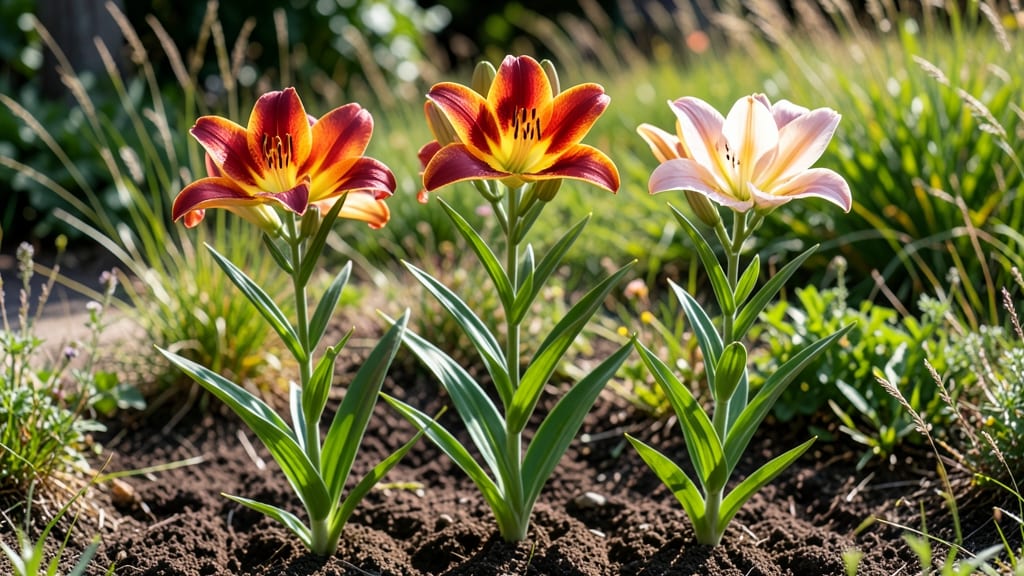
The asiatic lily bloom time brings a dazzling burst of color to gardens from early to mid-summer—a vibrant splash that transforms your space from June to August 🌸.
If you've eagerly awaited those first buds, you know timing is everything—especially when blooms can shift by weeks depending on your USDA zone. Too early, and you might miss the show; too late, and you could be scrambling to adjust care as the flowers arrive.
In Zone 6a, where many gardeners live, Asiatic lilies typically burst into bloom around late June, but cooler springs or fall-planted bulbs can delay them until July.
Meanwhile, warmer climates like Zone 9 might see flowers as early as May, while colder Zone 4 gardens could wait until August.
Here’s what you’ll discover: how to predict your lilies’ bloom window, why planting time matters, and 5 simple tricks to extend their flowering season—so you get more weeks of those stunning blooms.
Asiatic lily bloom time by USDA hardiness zones: exact months to plan for
Timing your garden's Asiatic lily blooms starts with understanding your USDA hardiness zone. These vibrant flowers thrive across Zones 3-10, but their bloom windows shift dramatically from northern cold climates to southern warm regions.
Early bloomers may appear as soon as late May in Zone 10, while Zone 3 gardeners might wait until mid-July for their first flowers.
Regional variations matter too - a Southern California garden in Zone 9 could see blooms from June through August, while a New England Zone 5 garden typically enjoys them from July to early September.
These differences help you plan companion plantings and garden maintenance schedules to maximize visual impact.
| USDA Zone | First Blooms | Peak Season | Late Bloomers | Reblooming? |
|---|---|---|---|---|
| Zones 3-4 | Mid-July | July-August | Early September | Rare |
| Zones 5-6 | Late June | July-August | Mid-September | Possible |
| Zones 7-8 | Early June | June-July | Late August | Common |
| Zones 9-10 | Late May | May-June | July | Frequent |
Note: Exact dates vary by microclimate and specific cultivars.
For northern gardeners (Zones 3-6), Asiatic lilies typically bloom later because they need to wait for warmer soil temperatures. The 60°F threshold triggers their growth cycle, which often occurs in late spring after the last frost.
In these zones, plan to see your first blooms around mid-summer with peak displays in July and August.
In warmer southern zones (7-10), Asiatic lilies often bloom earlier because they experience milder winters and earlier soil warming. You might see first blooms as early as late May in Zone 10, with peak season stretching from June through July.
This earlier bloom time allows for better pairing with spring-blooming bulbs like tulips and daffodils.
One key advantage of Asiatic lilies is their reblooming potential, especially in warmer climates. While most varieties bloom just once per season, some mid-to-late season cultivars in Zones 7-10 may produce a second flush of blooms if given proper care.
This makes them excellent choices for extended-season gardens where you want continuous color.
To maximize your Asiatic lily bloom time, consider planting early, mid, and late-season varieties together. For example, pair the early bloomer 'Little Surprise' with mid-season 'African Queen' and late-season 'Stargazer' to create a continuous color display from June through August in most zones.
This staggered approach ensures your garden never lacks these stunning flowers.
Remember that container-grown Asiatic lilies may bloom slightly earlier than in-ground plants, especially in cooler zones. The insulated soil in pots warms up faster in spring, giving them a head start. If you're growing them in containers, you might see blooms 1-2 weeks earlier than your zone's typical schedule suggests.
For garden planning purposes, mark your calendar for late spring soil warming (around May 1 in most regions) as the time when Asiatic lilies begin their active growth. This helps you time fertilizing, staking, and pest monitoring for optimal bloom performance.
Pay special attention to late spring rains, which can delay blooming if they cause excessive soil moisture.
If you're comparing Asiatic lilies to Oriental lilies, remember that Asiatics typically bloom 2-4 weeks earlier in most zones. This makes them perfect for early summer color while Oriental lilies take center stage in mid-to-late summer.
The timing difference allows you to create a sequential bloom garden that maintains interest throughout the season.
How climate and planting time affect Asiatic lily bloom timing
Timing your Asiatic lilies for peak blooms means understanding how climate and planting season interact. Unlike Oriental lilies, which bloom later, Asiatics typically flower in early to mid-summer, but their exact timing shifts based on when you plant and local conditions.
For example, a spring-planted bulb in Zone 5 may bloom 2-3 weeks earlier than one planted in fall.
Soil temperature plays a critical role—Asiatic lilies need 50°F+ soil to sprout, but cooler climates (Zones 3-4) may delay blooms until late June. In warmer regions (Zones 8-10), they often bloom as early as May.
Sunlight exposure also matters: full sun (6+ hours) accelerates flowering, while partial shade can push blooms 2 weeks later.
- 1
- 2
- 3
- 4
- 5
Spring-planted bulbs bloom earlier (June-July) but may be weaker. Fall planting (6-8 weeks before frost) yields stronger blooms in late July-August.
Bulbs need 50-55°F soil to sprout. In cold climates, wait until after last frost (Zone 3: May; Zone 7: April). Warmer zones (8+) can plant in March.
Full sun (6+ hours) = blooms in 60-75 days. Partial shade delays blooms by 10-14 days. South-facing beds bloom earliest.
Urban areas (concrete heat) bloom 2 weeks earlier than rural zones. Wind exposure can delay blooms by 1-2 weeks.
Containers bloom 1-2 weeks later due to drying soil. Use moisture-retentive mix to sync timing with in-ground plants.
If your Asiatic lilies aren’t blooming on time, check these common issues: overcrowded bulbs (divide every 3 years) or poor drainage (they rot in soggy soil). For container-grown lilies, ensure pots are 12"+ deep—shallow containers stunt growth and delay flowers.
In cooler microclimates, add a black plastic mulch in spring to warm the soil faster.
Pro tip: Plant early-season varieties (like 'Little Surprise') in spring and late-season types (like 'African Queen') in fall to stretch your bloom time from June through August. This staggered approach ensures your garden stays vibrant longer, even if local weather throws off your original timeline.
Remember, Asiatic lilies are day-length sensitive, so longer daylight hours in summer trigger blooming. In northern latitudes, this means earlier flowers, while southern gardens may see a more gradual bloom spread. Adjust your expectations—and your planting schedule—based on your unique climate quirks!