
Blooming
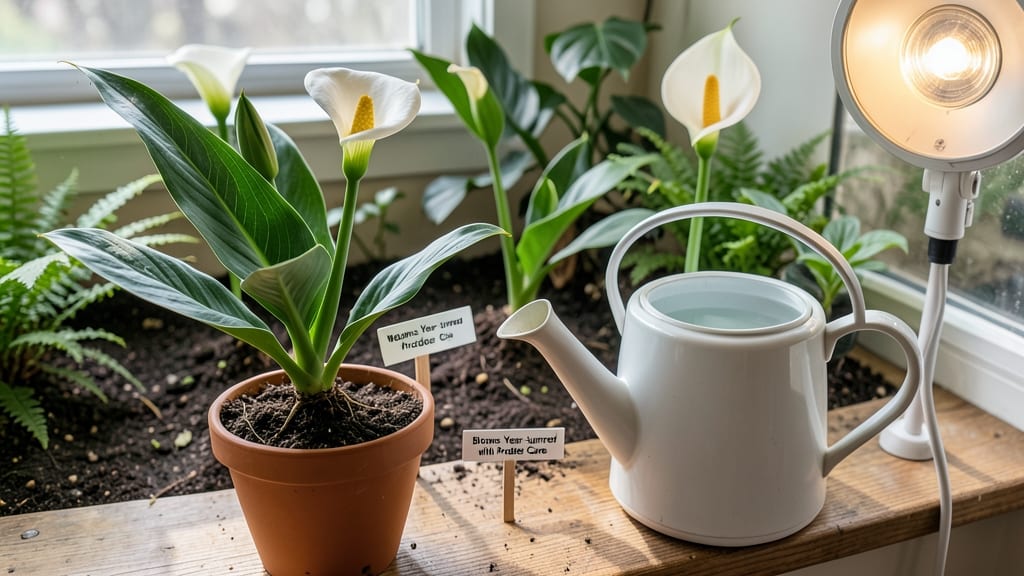
Calla lilies do not bloom all year; their flowering cycles depend on seasonal light exposure, temperature, and dormancy periods, typically producing blooms in spring and summer with proper care and conditions.
Calla lilies follow a natural rhythm tied to seasonal changes, much like many perennials. Spring and summer are their peak blooming seasons because longer daylight hours and warmer temperatures trigger their flowering mechanisms. 🌸 What many gardeners don't realize is that these plants actually need a period of rest—often in winter—to reset their growth cycle.
Without this dormancy, they may produce fewer blooms or none at all.
Here's the key insight: light deprivation and cooler temperatures signal calla lilies to prepare for their next blooming phase. In regions with mild winters, you can extend their flowering by providing slightly cooler conditions (around 55-60°F) and reduced watering during their off-season.
This mimics their natural dormancy period and helps prime them for another round of vibrant blooms.
💡 In This Article
- Seasonal Light and Temperature Needs for Calla Lily Blooms
- Care Triggers to Extend Calla Lily Flowering Periods
Seasonal light and temperature needs for calla lily blooms
Calla lilies rely on a precise balance of light and temperature to trigger their blooming cycles. These plants are native to South Africa, where they experience distinct seasons with longer daylight hours in summer (14-16 hours) and shorter days in winter (10-12 hours).
The key mechanism is photoperiodism—their response to daylight length. When days shorten in late summer, calla lilies detect this change through specialized proteins called phytochromes, which signal the plant to prepare for dormancy and eventual reblooming.
The temperature plays an equally critical role. During active growth (spring/summer), calla lilies thrive in 70-80°F temperatures, but they require cooler conditions (55-65°F) during their winter dormancy period to reset their growth cycle.
This temperature drop mimics natural winter conditions and helps store energy in their rhizomes for next year's blooms. Without this cooling period, the plant may skip dormancy entirely, leading to weak or no flowering. 💫
Indoor growers can simulate these conditions using light deprivation (LD) cycles, where plants receive 8-10 hours of darkness followed by 12-14 hours of light daily. This mimics the shortened winter days and can encourage blooming outside of natural seasons.
For outdoor plants, providing partial shade during summer's hottest hours (10 AM-4 PM) prevents stress while maintaining sufficient light exposure for photosynthesis.
One common misconception is that calla lilies bloom continuously if kept warm. However, research shows that forcing continuous warmth without dormancy depletes the plant's energy reserves, leading to stunted growth and fewer blooms.
The natural cycle involves 3-4 months of dormancy where the rhizomes rest, then 6-8 months of active growth and flowering. Breaking this cycle disrupts the plant's biological clock.
Consider this example: In Florida's mild winters (where temperatures rarely drop below 50°F), calla lilies may bloom year-round but with reduced vigor. However, when exposed to a 30-day period of cooler temperatures (55-60°F) and reduced watering, they'll produce more abundant blooms in subsequent seasons.
This demonstrates how closely tied their flowering is to environmental cues. 🌿
For gardeners in colder climates, lifting and storing rhizomes in dry, cool conditions (40-50°F) during winter mimics their natural dormancy. This simple practice can extend their lifespan and ensure robust blooming when replanted in spring.
The key is patience—allowing the plant its rest period pays off with more vibrant, frequent blooms.