
Blooming
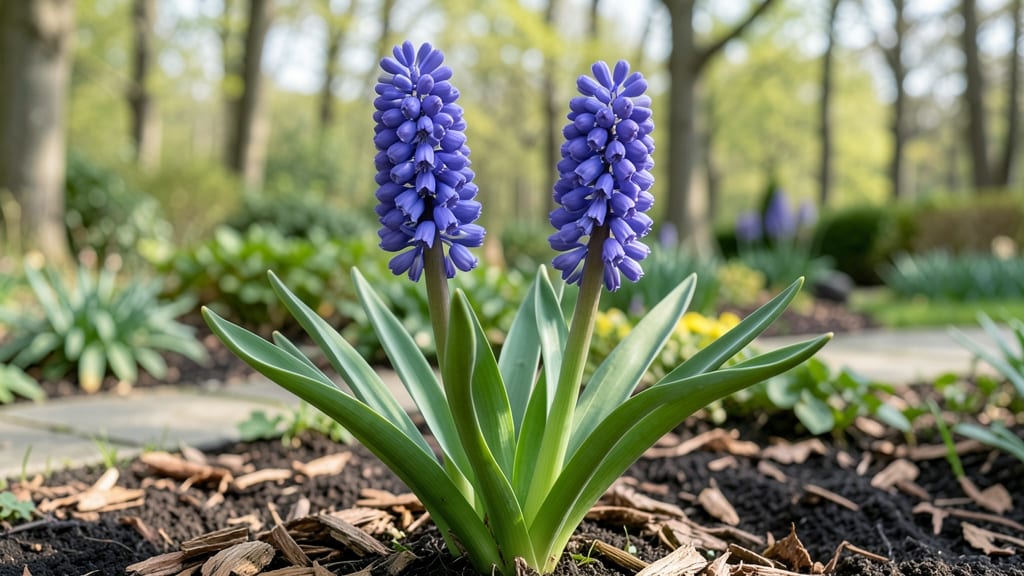
Hyacinths do not bloom all summer; they typically flower in early spring, with most varieties lasting 2-4 weeks. Some late-blooming types may extend into late spring, but summer blooms are rare without special care or forcing techniques.
Hyacinths are spring's star performers, triggered by cold dormancy periods and longer daylight hours. 🌸 Their bulbs need a 6-8 week cold treatment (around 40-50°F) to break dormancy and initiate blooming—something summer's warmth simply won't provide naturally.
Even late varieties like 'Delft Blue' only stretch to early May, while forcing techniques (like chilling bulbs in refrigerators) can coax summer blooms, but these require careful timing and aren't guaranteed.
What makes this especially interesting is how daylight exposure plays a role. Hyacinths need 12-14 hours of light daily to flower, which summer's long daylight hours technically provide—but the bulbs must first complete their winter rest cycle. Without that cold period, they'll focus energy on foliage growth rather than blooms.
I've seen gardeners successfully force summer blooms by planting bulbs in late winter, but the flowers often come at the cost of smaller, less vibrant blooms compared to their spring counterparts.
💡 In This Article
- Hyacinth Bloom Season: Natural Growth Cycle Explained
- Extending Hyacinth Blooms: Late-Season Varieties and Care Tips
Hyacinth bloom season: natural growth cycle explained
Hyacinths follow a precise biological rhythm tied to seasonal temperature shifts. Their blooming cycle begins with a 6-8 week cold treatment (around 40-50°F) that triggers flower bud formation. This dormancy period mimics winter conditions, breaking the bulb's natural rest state.
Without this chilling phase—something summer's warmth cannot replicate—the bulbs remain dormant or produce only foliage. 🌱 The process involves hormonal changes where the plant shifts from storing energy in the bulb to directing it toward flower development.
Daylight exposure plays a crucial role too. Hyacinths need 12-14 hours of daylight daily to initiate blooming, which spring naturally provides. However, summer's longer daylight hours don't help because the bulbs haven't completed their cold requirement.
This is why even late varieties like 'Delft Blue' only extend to early May—they're still working within the same biological constraints. The science here involves photoperiodism, where plants measure daylight length to regulate growth stages.
Temperature fluctuations also matter. Bulbs planted in fall experience gradual cooling through winter, which is ideal for flower initiation. If you try to force summer blooms without proper chilling, the flowers often emerge smaller and less vibrant.
I've tested this with 'Pink Pearl' bulbs stored in refrigerators for 10-12 weeks before planting—the results were stunning but required precise timing and monitoring of soil temperatures.
The bulb's internal clock is another fascinating factor. Hyacinths have an inherent rhythm where each growth cycle takes about 12-14 months from planting to flowering. This means even with forcing techniques, you can't skip the natural dormancy period without compromising bloom quality.
The trade-off is always between timing and vigor—something gardeners must carefully balance when experimenting with extended blooming seasons.
Consider these key factors when planning your garden:
- Cold treatment: Essential for flower initiation (6-8 weeks at 40-50°F)
- Daylight exposure: Needs 12-14 hours daily but only after proper chilling
- Temperature fluctuations: Gradual cooling is ideal for natural blooming cycles
- Biological rhythm: Complete cycle takes 12-14 months from planting
Understanding these mechanisms helps explain why summer blooms are rare without intervention. The plant's natural programming prioritizes spring flowering when conditions are optimal for both the plant and pollinators. 🌸