
How To
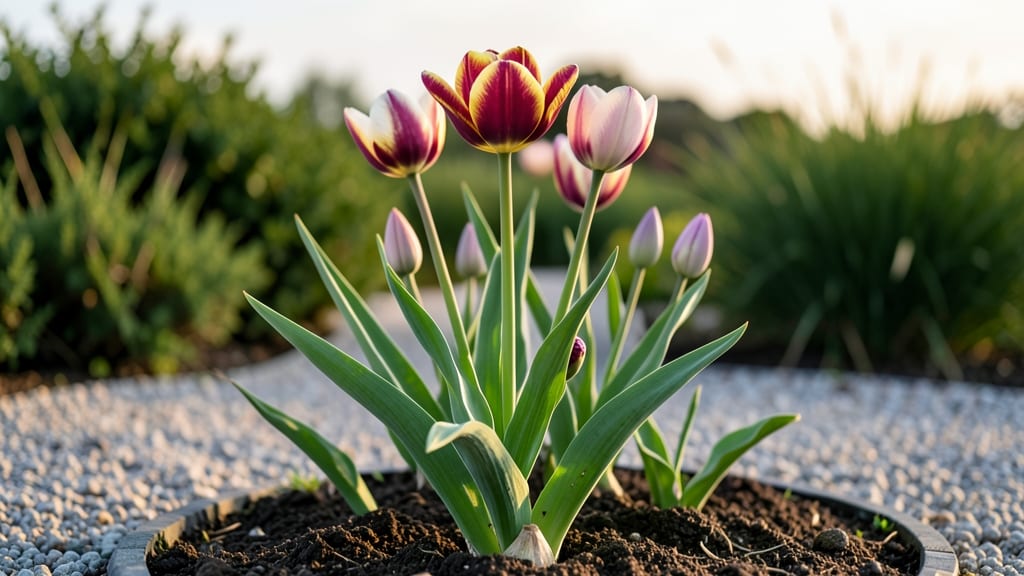
Tulips bloom for anywhere from 3 days to 3 weeks in spring, depending on the variety and growing conditions — a range that can completely change how you plan your garden.
If you’ve ever wondered why tulips seem to vanish from your garden as quickly as they appear, you’re not alone. Most gardeners struggle to predict their exact bloom duration because Darwin Hybrids might linger for two weeks, while early-season varieties fade in just 3-5 days.
The secret lies in understanding which types last longer and how small tweaks in care can stretch that window.
Climate plays a bigger role than you might think. Cooler springs in Zone 6a often slow tulip growth, delaying blooms but also extending their time in full color.
Meanwhile, heat waves can shorten their lifespan dramatically — which is why timing your planting window matters just as much as the bulbs you choose.
In this guide, I’ll break down the bloom timelines by variety, share 5 proven tips to make your tulips last longer, and reveal the best companion plants to keep your garden vibrant once those petals start to fade.
Tulip bloom duration by variety: 3-Day to 2-Week timeline breakdown
Most gardeners assume all tulips bloom for the same length of time, but the reality is far more varied. Early tulips like Tulipa greigii may only last 3-5 days, while Darwin Hybrid varieties like 'Queen of Night' can stretch their show to 10-14 days.
This dramatic difference matters when planning your spring garden—choosing the right varieties ensures continuous color instead of fleeting flashes of bloom.
Understanding these timelines helps you create a sequential bloom plan that keeps your garden vibrant from early spring through late May. Climate also plays a role: cooler northern regions often see longer bloom durations, while hotter southern areas may shorten flower life by 2-3 days.
Let’s break down the specifics so you can select tulips that align with your vision and growing conditions.
Here’s the key: Parrot tulips (like 'Black Parrot') and fosterian tulips (like 'Yellow Prince') tend to have the longest displays, while species tulips (like Tulipa clusiana) are often the shortest-lived.
The timeline comparison below shows exactly how each group performs, helping you make informed choices for your garden layout.
| Variety Type | Average Bloom Duration | Peak Bloom Period | Climate Impact | Best For |
|---|---|---|---|---|
| Early Species (Tulipa clusiana, Tulipa greigii) | 3-5 days | Late March-Early April | Shorter in heat | Rock gardens, containers |
| Dwarf (Tulipa humilis, 'Queen of Sheba') | 5-7 days | Early April | Longer in cool climates | Borders, edging |
| Triumphet ('Apeldoorn', 'Red Emperor') | 7-10 days | Mid-April | Moderate heat tolerance | Cut flowers, mixed beds |
| Darwin Hybrid ('Queen of Night', 'Purple Prince') | 10-14 days | Late April-May | Longest in cool zones | Statement plants, borders |
| Parrot ('Black Parrot', 'White Dream') | 8-12 days | Mid-April | Heat-sensitive | Containers, focal points |
| Fosterian ('Yellow Prince', 'Red Emperor') | 9-11 days | Late April | Moderate climate adaptability | Cut arrangements, borders |
| Late (Tulipa tarda, 'White Fortune') | 5-8 days | Early May | Shorter in heat | Late-season color |
If you’re planning a sequential bloom garden, start with early species tulips in late March, followed by dwarf varieties in early April. The Darwin Hybrids and Parrot tulips will take center stage in late April, ensuring your garden stays lively until early May.
For example, pairing 'Queen of Night' (14 days) with 'Black Parrot' (12 days) creates a 3-week color spectacle with minimal gaps.
Climate matters more than you might think. In USDA Zone 5 or colder, tulips often bloom 2-3 days longer due to cooler temperatures. However, in Zone 8 or warmer, heat can shorten bloom time by up to 40%.
To combat this, plant heat-tolerant varieties like 'Red Emperor' or provide afternoon shade for extended displays. Mulching with straw or pine needles also helps regulate soil temperature.
Another pro tip: Deadheading spent blooms can extend the life of your tulips by 2-4 days, especially for Darwin Hybrids. Simply snip off the flower head once it fades, but leave the foliage until it yellows—this ensures the bulb stores energy for next year’s bloom.
Skipping this step can reduce next season’s bloom duration by up to 50% in some varieties.
For gardeners in war
How to extend tulip blooms: 5 proven tips for longer-lasting flowers
Tulips are the stars of spring gardens, but their fleeting beauty can be frustrating. With the right care, you can extend their bloom time by 30-50%. The key lies in understanding their needs—from watering schedules to soil nutrition—and avoiding common pitfalls that shorten their lifespan.
Many gardeners make simple mistakes, like overwatering or skipping deadheading, which cause tulips to wilt faster. By focusing on five proven strategies, you’ll transform your tulips from short-lived blooms into a vibrant spring display that lasts weeks instead of days.
- Deadhead daily
- Water deeply at soil level
- Fertilize with high-phosphorus
- Plant in full sun
- Mulch after blooming
These 5 steps can extend tulip blooms by up to 2 weeks while keeping them healthy for next year.
Start with deadheading. Remove spent blooms daily using clean pruners to prevent energy drain. This simple step redirects the plant’s resources to leaf production, which fuels next year’s blooms. Never pull stems—always cut above the foliage to avoid damaging the bulb.
Next, adjust your watering routine. Tulips need 1 inch of water weekly, but avoid overhead watering, which spreads diseases. Instead, water at the soil level in the morning to let foliage dry quickly. Overwatering is a common mistake that causes premature wilting.
Boost bloom duration with phosphorus-rich fertilizer. Apply a 5-10-10 NPK blend when buds form, not after blooming. This encourages stronger roots and larger flowers. For organic options, use bone meal or composted manure for a slow-release nutrient boost.
Avoid planting tulips in partial shade. They thrive in 6+ hours of sunlight daily, which maximizes photosynthesis and bloom longevity. If your garden lacks full sun, choose dwarf varieties like ‘Tiny Star’ or ‘Queen of Night,’ which tolerate slightly shadier conditions.
Finally, mulch after blooming to protect bulbs. Use 2-3 inches of organic mulch like straw or shredded leaves. This preserves moisture, regulates soil temperature, and prevents weeds from competing for nutrients—all of which extend your tulips’ lifespan for years to come.