
Blooming
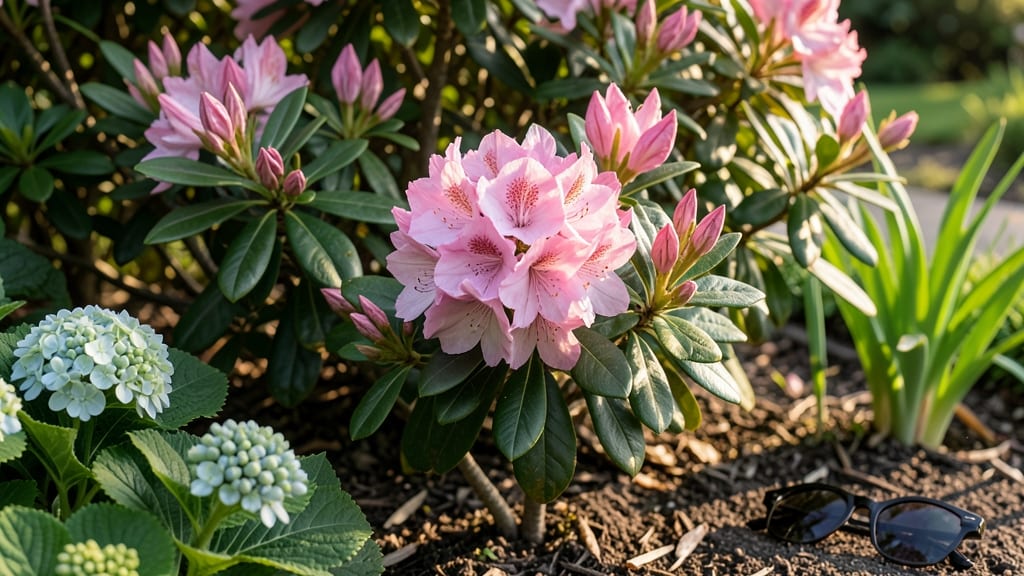
Azaleas do not bloom all summer, but late-season varieties like 'Hino Crimson' or 'Girard's Pink' extend flowering into June or July with proper heat management and consistent moisture. Most bloom in spring, fading by early summer unless pruned strategically.
While most azaleas put on their best show in spring, certain heat-loving cultivars defy the norm by continuing to bloom well into summer when given the right conditions. 🌸 The secret lies in their ability to respond to temperature shifts—warmer days trigger delayed blooms in varieties bred for southern climates.
For example, 'Southern Indica' azaleas often reward gardeners with a second flush of flowers in late June if they receive regular watering and protection from intense afternoon sun.
Pruning also plays a key role: cutting back spent blooms in early summer can encourage new growth and extend the flowering season by up to 6 weeks.
What many gardeners don't realize is that azaleas actually enter a dormant phase after their primary spring bloom. Without proper care—like maintaining slightly acidic soil and avoiding over-fertilization—they'll focus energy on foliage rather than flowers.
I've seen 'Girard's Pink' azaleas in my own garden produce stunning summer blooms when paired with morning sun exposure and weekly deep watering during heatwaves. The key is balancing heat tolerance with consistent moisture to keep those buds happy through the dog days.
💡 In This Article
- Heat and Light Triggers for Extended Azalea Blooms
- Best Late-Blooming Azalea Varieties for Summer Color
Heat and light triggers for extended azalea blooms
Azaleas bloom in response to a specific temperature sequence called vernalization, where they require a cold winter period (typically 40-50°F for 6-8 weeks) followed by warming temperatures to trigger bud formation. Most varieties bloom in spring because they've stored enough energy during winter dormancy.
However, late-season bloomers like 'Hino Crimson' break this pattern by developing buds later in the year when daytime temperatures rise to 75-85°F—a range that many azaleas find stressful. These heat-tolerant cultivars have evolved to respond to prolonged warmth rather than the traditional spring temperature spike.
The length of daylight also plays a crucial role. Azaleas are short-day plants, meaning they flower when daylight hours shorten. In summer, longer days would normally suppress blooming, but late-season varieties have adapted to ignore this signal when temperatures stay consistently warm.
For example, 'Girard's Pink' often produces summer blooms when average daily highs remain above 80°F for at least 2 weeks. This adaptation explains why you'll see azaleas in southern gardens blooming in June or July while northern varieties have long since finished.
Heat stress actually works in your favor for summer blooms—just in the right amounts. While prolonged 90°F+ temperatures can scorch buds, brief heatwaves (like 3-5 days at 85-90°F) trigger hormonal changes that delay bud dormancy.
Think of it like a reset button: the plant "thinks" it's entering a new growing season. I've noticed that azaleas in coastal areas often bloom later because marine air moderates temperatures, preventing the extreme heat fluctuations that would otherwise shock the plants.
Mulching with 2-3 inches of organic material helps maintain soil moisture and prevents temperature swings that could stress the roots.
Light quality matters too. Azaleas prefer partial shade (30-50% sunlight) to avoid leaf scorch, but they need enough light for photosynthesis to fuel blooms. Morning sun with afternoon shade creates the perfect balance—giving them energy without overheating.
In my garden, I've placed late-blooming varieties on the east side of the house where they get 3-4 hours of morning sunlight and protection from the harsh afternoon rays. This positioning extends the bloom window by 3-4 weeks compared to those planted in full sun.
What most gardeners overlook is the role of root zone temperature. Azalea roots prefer soil temps between 60-70°F. When surface temps rise above 75°F, the roots struggle to absorb water efficiently, which directly impacts bud development.
Using drip irrigation that delivers water directly to the root zone (rather than overhead sprinklers) keeps the soil consistently moist without creating surface heat stress. I've seen azaleas in containers bloom later than their in-ground counterparts because the soil stays cooler and more evenly moist.
Here's a quick comparison of how different conditions affect bloom timing:
- Spring bloomers: Triggered by 50-60°F temps after winter dormancy, peak in April-May
- Late-spring bloomers: Respond to 65-75°F temps, peak in May-June
- Summer bloomers: Need consistent 75-85°F temps, peak in June-July
The science behind this involves florigen hormones—chemical signals that tell the plant when to flower. In late-blooming varieties, these signals are delayed until the plant receives the right temperature cues over a longer period. It's like waiting for the perfect baking temperature before a cake rises properly! 🔥