
Blooming
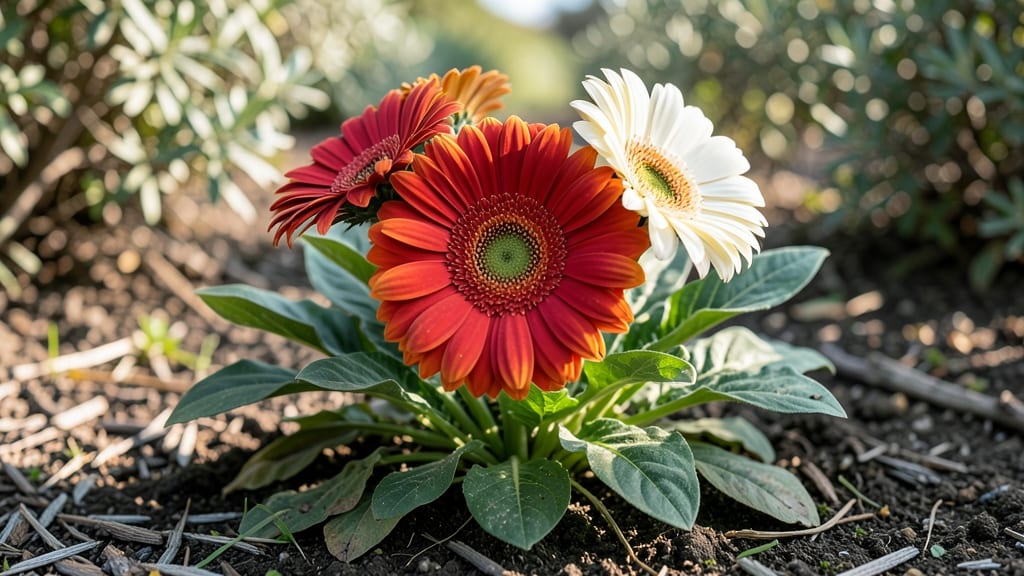
Gerbera daisies bloom all summer only when grown in optimal conditions—full sun exposure, consistent warmth, and proper watering—but their flowering cycle varies by variety and climate. Most types thrive from late spring through early fall, with some capable of reblooming if deadheaded regularly.
Gerbera daisies are summer's rockstars, but their blooming window depends on more than just summer weather. 🌞 The key is daylight—these sun-lovers need 6-8 hours of direct sunlight daily to trigger consistent flowering.
In cooler climates, they may pause blooming during heatwaves or when temperatures drop below 50°F, while tropical varieties keep producing if protected from frost. I've seen gardeners extend summer blooms by providing afternoon shade in intense heat and using slow-release fertilizers to maintain nutrient levels.
What's fascinating is how different varieties behave: some like 'Mambo' or 'Pavot' bloom continuously with proper care, while others take summer breaks to recharge. The secret to summer-long color? Deadheading spent blooms (removing faded flowers) signals the plant to produce more buds.
For container growers, using well-draining soil and watering at the base (not overhead) prevents fungal issues that can stress the plant.
💡 In This Article
- Seasonal Factors Affecting Gerbera Daisy Blooms
- Extending Gerbera Blooms Through Summer Care
Seasonal factors affecting gerbera daisy blooms
Gerbera daisies follow a biological rhythm tied to daylight hours and temperature thresholds that explain their seasonal blooming patterns. These plants are photoperiod-sensitive, meaning they respond to changes in daylight length—a phenomenon called photoperiodism.
Most varieties need 12-14 hours of daylight to trigger consistent flowering, which is why they peak in late spring and summer when days are longest. When daylight shortens in fall, many varieties enter a natural dormancy period, conserving energy until spring. 🌅
The temperature dance is equally critical: gerberas thrive in 60-75°F ranges but struggle below 50°F or above 85°F. In cooler climates (USDA zones 8-11), they may pause blooming during summer heatwaves, while tropical varieties like 'Mambo' continue producing if protected.
The science here involves ethylene gas production—a plant hormone that accelerates blooming in warm conditions but can cause stress in extreme heat. This explains why gardeners in Arizona often use shade cloth during peak afternoon sun.
Climate zones create dramatic differences: hardy varieties (like 'Teresa') bloom from spring to early fall in zone 8, while tropical types (such as 'Pavot') may flower year-round in zone 10 with consistent warmth.
The key distinction lies in their vernalization requirements—some need a cool winter period to reset their blooming cycle, while others bloom continuously if conditions remain stable. This is why container-grown gerberas in pots can outperform garden varieties in unpredictable climates.
Daylight length isn't the only trigger—temperature fluctuations also play a role. A 10-15°F drop at night can actually stimulate bud formation in some varieties, while prolonged heat above 90°F causes buds to abort.
This explains why morning watering (when temps are cooler) is more effective than evening watering, which can stress the plants. The soil's moisture retention also matters: sandy soils dry out faster, creating temperature swings that disrupt flowering patterns. 💧
What most gardeners miss is how humidity levels interact with these factors. Gerberas prefer 40-60% humidity—too dry, and their petals crisp at the edges; too humid, and fungal diseases like powdery mildew take hold.
In desert climates, this means supplemental misting during bud formation, while in humid zones, proper airflow through pruning becomes essential. The interplay between these factors explains why some gardeners get summer blooms while others struggle—it's rarely just about sunlight.
Consider these variety-specific patterns:
- Continuous bloomers: 'Mambo' and 'Pavot' varieties can produce flowers year-round in ideal conditions (zones 9-11) with consistent care.
- Seasonal bloomers: 'Teresa' and 'Dazzler' typically bloom spring through fall but need winter dormancy to reset.
- Heat-sensitive types: 'Orange Queen' may stop blooming if daytime temps exceed 85°F without afternoon shade.