
Blooming
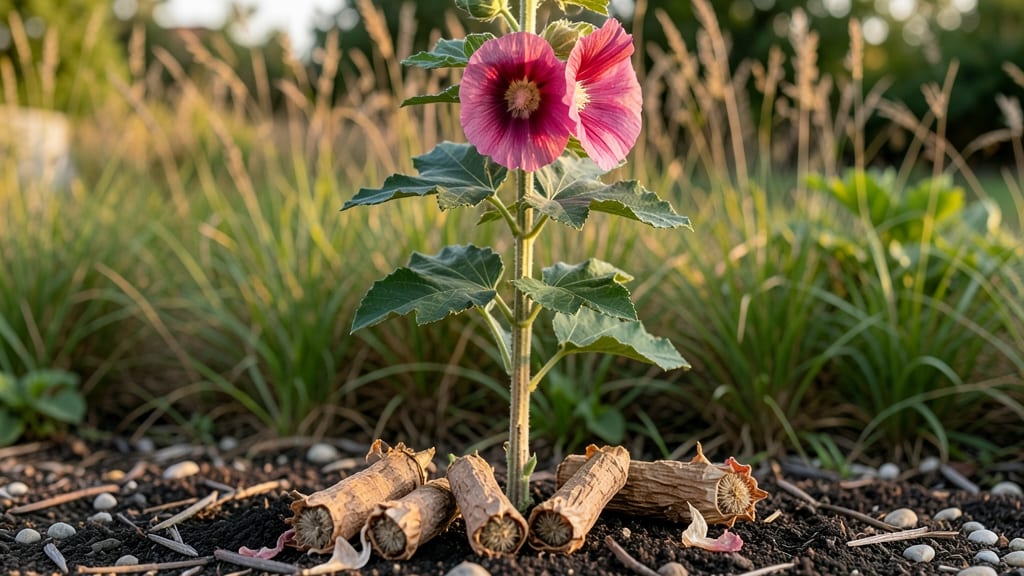
Hollyhocks bloom every year as hardy perennials, though some varieties may decline after 3-5 seasons. Proper deadheading, pruning, and winter care extend their flowering lifespan and ensure annual blooms.
These biennial tendencies explain why some hollyhocks take a year to establish before flowering, while others bloom reliably each season. 🌸 The key to maintaining their perennial habit lies in consistent care—removing spent blooms encourages new growth, while strategic pruning prevents energy drain.
I’ve found that hollyhocks in cooler climates (zones 3-8) often perform best with winter mulch, which protects roots and promotes vigorous spring regrowth.
What sets hollyhocks apart is their resilience—even when they skip a year, they’ll often rebound with spectacular blooms the following season. The secret? Avoiding over-pruning and ensuring they get full sun (at least 6 hours daily). I’ve seen neglected hollyhocks revive dramatically after just one season of proper care.
💡 In This Article
- Hollyhock Perennial Lifespan and Bloom Cycles
- Deadheading and Pruning for Year-Round Hollyhock Blooms
Hollyhock perennial lifespan and bloom cycles
Hollyhocks (Alcea rosea) are classified as hardy perennials, meaning their roots survive winter and they should rebloom annually under ideal conditions. The botanical magic happens in their deep taproots, which store nutrients and energy for regrowth.
These roots can extend 3-4 feet deep, allowing hollyhocks to access moisture even during drought. 🌱 What's fascinating is how their flowering cycle works: most varieties follow a biennial pattern in their first year, producing only foliage before blooming in their second year—but once established, they typically bloom every year thereafter.
The natural lifespan of hollyhocks varies by variety, with most lasting 3-5 years before flowering declines. This happens because their energy reserves deplete over time, especially if not properly maintained. Some heirloom varieties, like 'Chater's Double', can live 5-7 years with diligent care, while modern hybrids often have shorter lifespans.
Climate plays a huge role: hollyhocks in USDA zones 3-8 thrive with winter dormancy, while those in warmer zones (9+) may struggle with heat stress, leading to fewer blooms.
Here's what's actually happening botanically: hollyhocks produce flowers on new growth from their base, not from old wood. This means they rely on fresh energy each season.
When you see hollyhocks decline after a few years, it's often because their root systems have weakened from disease, poor soil, or lack of nutrients. The good news? With proper care, you can often revive them—many gardeners report hollyhocks making dramatic comebacks after 2-3 years of focused attention.
First-year hollyhocks often skip blooming entirely, focusing instead on building strong roots. This biennial tendency explains why some gardeners get frustrated—they plant seeds in spring and see no flowers until the following year.
The key to breaking this cycle is to plant established nursery plants rather than seeds, which immediately gives you blooms. Even then, first-year plants may produce only a few flowers before focusing on root development.
Climate zones dramatically affect bloom frequency. In cooler zones (4-6), hollyhocks often bloom profusely in their second year and continue annually. But in warmer zones (7-8), they may bloom more sporadically unless given afternoon shade. The heat can cause premature bud drop, where flowers form but fail to open.
I've noticed that varieties like 'Black Prince' handle heat better than delicate pastel types, which often need afternoon protection in southern climates.
What most people don't realize is how hollyhocks store energy: their roots convert sunlight into starches during summer, then use these reserves for spring growth. This is why consistent sunlight (6+ hours daily) is non-negotiable—without it, their energy reserves dwindle.
The trade-off? Too much sun in hot climates can scorch leaves, so finding that sweet spot is crucial for annual blooms. 🌿