
Blooming
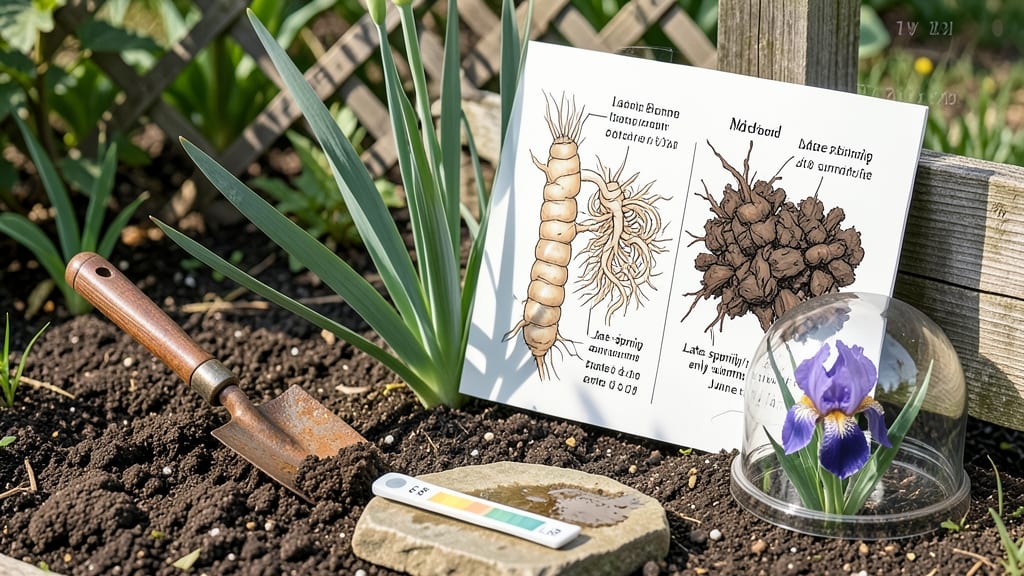
Why didn’t my irises bloom this year? They might be sending you a clear message—like needing more sun or a well-deserved rest. 🌿 I’ve seen this happen more than I’d like to admit, especially after a season of neglect or planting them in the wrong spot. The good news? Most iris blooming issues come down to just a few simple fixes that can bring those dramatic flowers back next year.
First, check their sunlight. Irises need at least 6 hours of direct sun daily—if they’re in shade, move them to a sunnier location. Then, look at the soil: too rich in nitrogen (like from fresh manure) means leafy growth but no blooms.
Finally, consider their age—older clumps often need dividing to refresh their energy. A quick soil test or a peek at their roots can reveal what’s really going on.
By next spring, you’ll see those familiar sword-shaped leaves followed by showstopping blooms in purple, yellow, or white. The key is acting now: divide overgrown clumps in late summer, adjust sunlight if needed, and feed with a low-nitrogen fertilizer in early spring.
Trust me, your irises will thank you with a spectacular show.
This works for both in-ground irises and those in containers—just ensure good drainage, which is critical for these plants. Whether you’re troubleshooting a single clump or a whole border, these steps will get your irises back on track for next season’s blooms.
The Hidden Reasons Behind Missed Blooms
When your irises fail to bloom, it’s often a silent message from nature—one that points to overlooked care factors. Let’s break down the top scientific causes behind this frustrating garden mystery, so you can diagnose (and fix!) the issue before next season.
Irises are sun worshippers—they thrive in full sun (6+ hours daily) and struggle when shaded. Here’s why light deprivation stunts blooms:
- Photosynthesis slowdown: Without enough sunlight, irises can’t produce the energy needed for flower development. Their rhizomes (thick roots) store energy, but if they’re not replenished, blooms get skipped. - Weak stems: Low light leads to leggy, weak flower stalks that often flop before opening.
Even if buds form, they may abort due to poor structural support. - Common culprits: - Newly planted irises shaded by trees/shrubs. - Overcrowded beds where neighboring plants block light. - North-facing gardens in cooler climates (irises need direct sunlight, not just bright indirect light).
💡 Pro Tip: Test your spot with a light meter (or the "shadow test"—if your hand casts a shadow at noon, it’s likely sunny enough). If light is lacking, thin out competing plants or relocate irises to a sunnier patch.
Irises are temperature-sensitive, and blooming relies on precise seasonal cues. Miss the window, and you’ll miss the show.
- Late or early planting: Irises need 6–8 weeks of cool weather before blooming.
Planting them too late (fall) or too early (spring) disrupts their dormancy cycle. - Unusual winter warmth: If temperatures stay above 50°F (10°C) for prolonged periods during dormancy (Dec–Feb), rhizomes may prematurely wake up and exhaust energy on foliage instead of flowers. - Heatwaves during bloom time: Irises typically bloom in early to mid-spring.
If a sudden heatwave hits (e.g., 90°F+), buds may abort to conserve water. - Frost at the wrong time: A late frost can damage emerging flower stalks, but an early frost before blooming can trick irises into thinking winter isn’t over.
⏰ Actionable Fix: Note your last frost date and plant irises 6–8 weeks before the first expected frost. If your area has erratic weather, mulch lightly (1–2 inches) in late fall to insulate rhizomes without smothering them.
Irises are drought-tolerant but hate soggy feet. Water stress—either way—can halt blooming.
- Overwatering: Irises rot easily in waterlogged soil.
Excess moisture: - Starves roots of oxygen, leading to fungal diseases (like Rhizoctonia or Basidiomycetes root rot). - Encourages weed competition, which steals nutrients irises need for blooms. - Underwatering: While irises tolerate dry spells, severe drought causes rhizomes to shrink and go dormant prematurely, skipping bloom cycles. - Irregular watering: Inconsistent moisture leads to stress, which diverts energy away from flower production.
🌡️ Watering Rules of Thumb:
- Established irises: Water deeply 1–2 times per week (1 inch total) during active growth (spring/fall). Let soil dry between waterings.
- Newly planted irises: Keep soil moist (not soggy) for the first 2–3 weeks, then taper off.
- Avoid overhead watering: Use drip irrigation or soaker hoses to prevent fungal issues.
Irises aren’t heavy feeders, but poor soil health can sabotage blooms. Here’s what’s missing when they skip flowers:
| Nutrient Deficiency | Symptoms | Fix |
|---|---|---|
| Phosphorus (P) | Weak, sparse foliage; no flower buds | Apply bone meal (high in P) in early spring or fall. |
| Potassium (K) | Yellowing leaf edges; stunted growth | Use wood ash or a balanced 10-10-10 fertilizer in early spring. |
| Nitrogen (N) excess | Lush green leaves but no flowers | Reduce nitrogen-rich fertilizers (like lawn fertilizer). Irises prefer low-N, high-P/K. |
| Micronutrients (Mg, Fe, Zn) | Pale leaves, poor growth | Amend soil with Epsom salt (Mg) or a chelated iron supplement. |
💡 Pro Tip: Test your soil with a DIY kit (available at garden centers). Irises prefer slightly alkaline soil (pH 6.5–7.5). If your soil is too acidic, add lime in fall.
Irises multiply aggressively, but too many rhizomes competing for space leads to weak blooms—or none at all.
- Crowding stress: When rhizomes grow too close, they compete for nutrients/water, resulting in smaller or no flowers. - Rhizome age: Irises bloom best for 3–5 years, then decline.
Older rhizomes lose vigor and may produce only leaves. - Improper division timing: If you divide irises at the wrong time (e.g., during bloom season), they’ll focus on root regrowth instead of flowers.
🔪 How to Fix It:
- Divide every 3–5 years in early summer (after blooming).
- Discard small, weak rhizomes (under 2 inches) and replant only firm, plump ones.
- Space rhizomes 12–18 inches apart for optimal airflow and growth.
Hidden invaders can drain irises’ resources, leaving them too weak to bloom.
- Iris borers: The #1 bloom killer. These grubs tunnel into rhizomes, causing yellowing leaves and rot.
Infested plants skip blooming entirely. - Fungal infections: Diseases like leaf spot (from Drechslera fungus) or root rot weaken plants, redirecting energy to survival. - Slugs/snails: They munch on emerging flower buds, preventing blooms from opening.
🛡️ Prevention & Treatment:
- For borers: Apply neem oil in early spring or beneficial nematodes (Heterorhabditis bacteriophora) to soil.
- For fungi: Remove infected leaves, improve drainage, and spray with copper fungicide if needed.
- For slugs: Use beer traps or iron phosphate bait around plants.
Revive Your Irises Now
If your irises are looking more like a sad green curtain than a vibrant floral display, don’t panic—there’s still hope! The good news is that most blooming issues can be fixed with a few targeted adjustments.
Below, we’ve mapped out practical solutions for each common cause, along with prevention tips to keep your irises thriving next season. Let’s get your garden back in bloom! 🌸🔧
Fix: Irises thrive in well-draining, slightly alkaline soil (pH 6.0–7.0). If your soil is too dense, compacted, or nutrient-poor, your plants may struggle to bloom.
- 🔥 Amend the Soil Mix in coarse sand, perlite, or gritty compost (like orchid bark) to improve drainage. Avoid heavy clay or peat-heavy mixes, which can suffocate roots. - Pro Tip: Test your soil’s pH with a DIY kit (available at garden centers).
If it’s too acidic (<6.0), add wood ash or crushed limestone to raise the pH.
- 🍳 Fertilize Smartly Irises need low-nitrogen, high-phosphorus food to encourage blooms. Use a balanced bulb fertilizer (5-10-10) or a slow-release granular in early spring.
- Avoid: High-nitrogen fertilizers (like lawn food), which promote leafy growth but fewer flowers.
- 👨🍳 Mulch Lightly Apply a 1–2 inch layer of gravel or coarse mulch (like pine bark) to retain moisture without smothering roots. Organic mulch (like straw) can work too, but keep it 3 inches away from the rhizomes to prevent rot.
Prevention: ✔ Refresh soil every 2–3 years by top-dressing with compost or sand. ✔ Avoid over-watering—irises hate soggy feet!
Fix: Irises crave full sun (6+ hours daily). Too much shade = weak blooms or no blooms at all.
- 🔪 Relocate If Needed If your irises are in a shady spot, transplant them to a sunnier location (even partial sun can help, but full sun is ideal). Choose a spot with morning sun and afternoon shade if your climate is scorching.
- 🌡️ Prune Surrounding Plants Trim back tall trees, shrubs, or overgrown perennials blocking sunlight. Even a few extra hours of sun can make a difference.
- ⏰ Time Your Watering Water early in the morning so leaves dry quickly, reducing fungal risks from prolonged moisture (which can stress plants in low light).
Prevention: ✔ Plant irises in the sunniest spot of your garden—they won’t tolerate shade well long-term. ✔ Group them with other sun-lovers (like lavender or catmint) to maximize light exposure.
Fix: Irises are drought-tolerant but hate soggy conditions. Too much or too little water can stall blooming.
- 👨🍳 Water Deeply but Infrequently Soak the soil once a week (adjust for rain) until water drains through. Let the top 2–3 inches dry out between waterings—irises prefer thirsty roots!
- 🔥 Improve Drainage If your garden floods after rain, raise the planting bed or add sand/grit to heavy soil. Irises should never sit in water.
- ✨ Mulch to Retain Moisture (Without Smothering) Use gravel or straw mulch to reduce evaporation, but keep it away from rhizomes to prevent rot.
Prevention: ✔ Check soil moisture by sticking your finger 2 inches deep—if it’s damp, wait to water. ✔ Avoid automatic sprinklers near irises—they can encourage fungal diseases.
Fix: Skipping deadheading or pruning at the wrong time can signal irises to save energy for next year’s blooms too early.
- 🔪 Deadhead Correctly Snip off faded flower stalks at the base (where they meet the rhizome) after blooming. This prevents seed production and redirects energy to next year’s flowers.
- 🌿 Cut Back Foliage (But Not Too Soon!) Leave leaves until they yellow naturally (usually late summer/early fall). This ensures the plant stores enough energy for next spring’s blooms.
- Mistake to Avoid: Trimming leaves too early (before they brown) weakens the rhizome.
Prevention: ✔ Deadhead regularly during bloom season to encourage more flowers. ✔ Wait until leaves yellow before pruning—patience pays off!
Fix: Iris borers, aphids, or fungal issues (like leaf spot) can drain energy from your plants, preventing blooms.
- 🔥 Spot & Squash Pests - Iris borers (larvae): Look for sawdust-like frass or chewed rhizomes.
Handpick larvae or treat with neem oil or Bt (Bacillus thuringiensis). - Aphids: Blast off with water or spray with soapy water (1 tsp mild soap per quart of water). - Slugs/snails: Set up beer traps or use iron phosphate bait.
- 🌡️ Prevent Fungal Diseases
- Leaf spot: Remove infected leaves and space plants for airflow. Apply copper fungicide if needed.
- Root rot: Ensure proper drainage and avoid overhead watering.
Prevention: ✔ Inspect rhizomes at planting—discard any that look mushy or discolored. ✔ Rotate planting spots every few years to prevent soil-borne diseases.
Want bigger, more abundant blooms? Try these pro tips: 💡 Divide overcrowded clumps every 3–4 years to revitalize growth. 💡 Plant in groups—irises bloom better when clustered together. 💡 Avoid fertilizing in fall—it can stimulate late growth, making rhizomes vulnerable to frost.
With these fixes, your irises should bounce back stronger next season. Patience is key—some varieties take a year to recover after stress, but proper care will have them bursting with color again! 🌈🌺
Frequently asked questions
My irises had lots of leaves but no flowers—what went wrong?
This is a classic sign of too much nitrogen in your soil. Irises need low-nitrogen, high-phosphorus food to bloom. If you used lawn fertilizer or fresh manure, it likely encouraged leafy growth at the expense of flowers. Switch to a 5-10-10 bulb fertilizer next spring and avoid nitrogen-heavy amendments.
Can I still get blooms if I planted my irises in fall instead of spring?
It depends on your climate! Irises need 6–8 weeks of cool weather before blooming. If you planted in late fall and your area has mild winters (above 50°F/10°C), the rhizomes may wake up too early and focus on leaves instead of flowers. For best results, plant in early spring or late summer to align with their natural dormancy cycle.
How do I know if my irises are getting enough sun?
Check their location with this quick test: If your irises are in a spot where your hand casts a sharp shadow at noon, they’re getting enough sun. If the shadow is faint or nonexistent, they’re likely in partial shade. Irises need at least 6 hours of direct sunlight daily—move them to a sunnier spot if possible, or thin nearby plants blocking light.
Should I divide my iris clumps if they’re not blooming?
Yes! Overcrowded rhizomes compete for nutrients, leading to weak or no blooms. Divide clumps every 3–5 years in early summer (after blooming). Discard small, weak rhizomes and replant only the firm, plump ones, spacing them 12–18 inches apart. This refreshes their energy and encourages stronger blooms next season.
My irises bloomed last year but nothing this year—could pests be the issue?
Iris borers are the #1 culprit—these grubs tunnel into rhizomes, causing yellowing leaves and no blooms. Check for sawdust-like frass or chewed rhizomes when digging. Treat with neem oil or beneficial nematodes in early spring. Other pests like slugs (which munch on buds) or aphids can also drain energy from your plants.