
Blooming
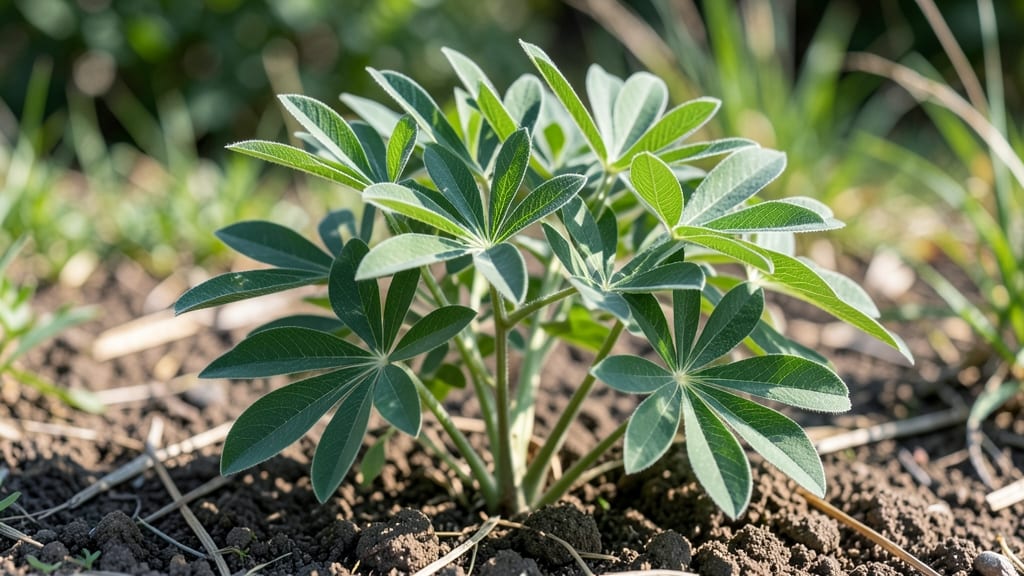
Lupines do not bloom the first year—they prioritize building deep root systems and lush foliage, often taking 1–2 years before producing their signature vibrant flowers. Proper care during this foundational phase ensures healthier plants that reward you with stunning blooms later.
This two-year cycle isn't just biology—it's lupines' survival strategy. 🌱 Their roots dive deep to access nutrients, while nitrogen-fixing bacteria in the soil give them a natural growth boost. I've seen first-year plants grow from tiny seeds into robust 2-foot-tall stalks by fall, all without a single bloom.
The key is patience: think of it like training for a marathon rather than a sprint.
What makes this fascinating is how lupines adapt to their environment. Cold stratification (a chilling period) often triggers germination, which is why many gardeners plant lupine seeds in fall for spring growth. The first year is all about leaf production—broad, palmate leaves that store energy for future flowering.
This biological focus on roots and leaves explains why you'll rarely see blooms in that initial season, no matter how hard you water or fertilize.
💡 In This Article
- Why Lupines Delay Flowering in Their First Year
- Tips to Encourage Early Lupine Growth and Future Blooms
Why lupines delay flowering in their first year
Lupines follow a biological strategy called monocarpic growth, where they prioritize vegetative development over reproduction in their first year. This means all their energy—up to 80% of their photosynthetic output—goes into building deep taproots that can reach 3-5 feet underground.
These roots store nutrients and anchor the plant, creating a foundation for future blooms. The plant's leaves, often broad and palmate, act like solar panels, capturing sunlight to fuel this underground growth rather than producing flowers.
The process starts with seed dormancy, where lupine seeds require a period of cold stratification (typically 4-8 weeks below 40°F) to break dormancy. This mimics their natural lifecycle in temperate climates, where seeds germinate in spring after winter chilling.
Once sprouted, lupines allocate resources to nitrogen fixation—a unique process where bacteria in their roots convert atmospheric nitrogen into usable forms. This symbiotic relationship gives lupines a competitive edge, allowing them to thrive in nutrient-poor soils where other plants struggle. 🌱
What most gardeners miss is how lupines' flowering is triggered by a combination of maturity and environmental cues. Plants need to reach a critical size (often 12-18 inches tall with well-developed roots) before they'll produce flower buds.
Even then, factors like day length and temperature play roles—many species bloom in late spring to early summer when days lengthen, but only after storing enough energy during the previous growing season. This explains why first-year plants, no matter how healthy, rarely bloom: they're still in their "juvenile" phase.
Consider the analogy of a tree: just like an oak tree spends years growing roots and trunk before producing acorns, lupines focus on structural development. The vibrant blooms you admire are essentially the plant's "reward" for surviving its first year.
Without this foundational phase, lupines would be weak and prone to disease, unable to support the energy demands of flowering. This delayed gratification is part of what makes lupines so rewarding for patient gardeners—each leaf and root is building toward that first spectacular bloom.
One fascinating detail is how lupines' growth patterns vary by species. For example, Lupinus polyphyllus (the garden lupine) often takes 2 years to bloom, while Lupinus texensis (the Texas bluebonnet) may flower in its first year if conditions are ideal.
The difference comes down to genetic programming and environmental factors like soil fertility and moisture. Even within the same species, plants grown in richer soils may bloom earlier because they can allocate more energy to flowering rather than root development.
The takeaway is that lupines' first-year focus on roots isn't laziness—it's survival strategy. These deep roots access water and nutrients that shallow-rooted plants can't reach, while the nitrogen fixation makes lupines self-sufficient.
When you see a lupine with no blooms but lush foliage, remember: it's storing energy for the spectacular show that's coming. The patience pays off when those first purple, blue, or yellow spikes finally appear, often in their second or third year. 💫