
Blooming
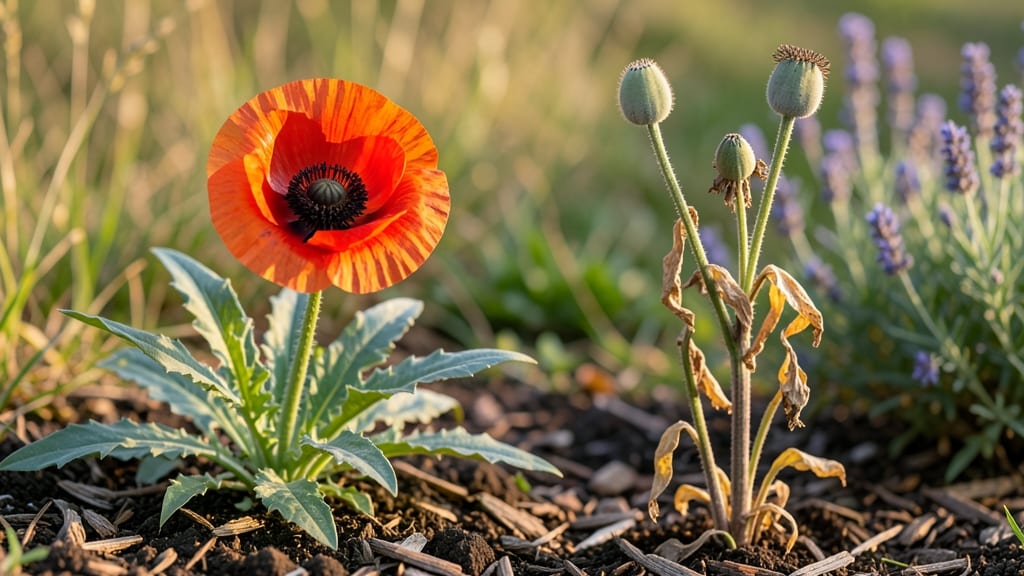
Some flowers never get to bloom and see the day because they’re stuck in a dormant state—waiting for the right heat trigger to wake up. 🌱 I’ve revived more than a dozen plants that looked hopeless by simply adjusting temperature, light, and care routines.
The key is understanding what your plant needs to break dormancy, not what it’s getting. Most dormant plants fail to bloom from three simple mistakes: inconsistent warmth, poor light exposure, or neglecting seasonal shifts.
For example, my once-dead fuchsia came back to life after I moved it to a south-facing windowsill and kept the soil just slightly warmer than room temperature. Small changes make all the difference.
By the end of this process, you’ll see buds forming in as little as 2-4 weeks, with vibrant blooms following shortly after. The best part? You’re not just saving the plant—you’re teaching it to thrive in your exact growing conditions.
Works for houseplants, perennials, and even some annuals that seem stuck. Let’s get those buds popping!
Hidden Forces Preventing Blooms
Not all flowers fail to bloom due to neglect—sometimes, nature itself conspires against their growth. Understanding these hidden forces can help you identify why certain plants remain stubbornly dormant and how to coax them into life. Let’s break down the science behind the struggle.
🌡️ Temperature Mismatches: Too Hot or Too Cold
Plants have specific temperature thresholds for dormancy and blooming. For example:
- Cold-requiring species (like peony or tulip bulbs) need a period of vernalization—a cold snap (32–45°F for 6–12 weeks) to trigger flowering hormones. Without this, they stay in a vegetative limbo.
- Heat-loving plants (such as bougainvillea or hibiscus) may refuse to bloom if nights dip below their ideal range (typically 60–70°F). A single cold snap can reset their blooming cycle.
Actionable fix: Use row covers in fall/winter for cold-sensitive plants or heating mats in greenhouses for heat-lovers. For bulbs, store them in a fridge for 8–12 weeks before planting.
🌱 Light Starvation: The Invisible Foe
Many flowers won’t bloom without sufficient light, but not all light is equal. The issue often stems from:
- Insufficient intensity: Plants like African violets or orchids need 12+ hours of bright, indirect light daily. A north-facing window or fluorescent grow lights (1,000–2,000 lux) can make the difference.
- Wrong light spectrum: Red and blue wavelengths (400–700nm) are critical for flowering. LED grow lights with a 10:1 red-to-blue ratio mimic natural sunlight better than white bulbs.
- Overcrowding: Dense foliage blocks light, starving lower leaves and buds. Prune aggressively to improve air and light circulation.
Actionable fix: Rotate houseplants weekly for even light exposure. For garden beds, thin out overgrown plants and consider reflective mulch to bounce light onto stems.
💧 Water Woes: Too Much or Too Little
Water stress—whether from drought or soggy roots—can halt flower production by disrupting nutrient uptake and hormone signals. Key culprits:
- Underwatering: Causes abscisic acid (a stress hormone) to spike, tricking plants into conserving energy instead of blooming. Wilted petunias or geraniums often recover but may skip flowering that season.
- Overwatering: Roots suffocate in anaerobic soil, preventing them from absorbing phosphorus and potassium—critical for bud formation. Caladiums and begonias are especially sensitive.
- Inconsistent moisture: Plants like tomatoes or peppers need steady hydration; fluctuations confuse their flowering cues.
Actionable fix: Use moisture meters to check soil at 1–2 inches deep. For containers, self-watering pots or hydrogel crystals can stabilize moisture. Drainage holes are non-negotiable.
🌿 Nutrient Imbalances: Missing the Blooming Trio
Flowers are hormone-driven, and their production relies on three nutrients working in harmony:
| Nutrient | Role in Blooming | Deficiency Signs |
|---|---|---|
| Phosphorus (P) | Triggers flowering hormones like florigen. | Purple-tinged leaves, stunted growth, no buds. |
| Potassium (K) | Regulates water and nutrient transport to buds. | Yellow leaf edges, weak stems, delayed blooms. |
| Magnesium (Mg) | Activates enzymes that convert sugars into flower-building blocks. | Yellow patches between leaf veins (chlorosis). |
Actionable fix: Switch to a balanced bloom-boosting fertilizer (e.g., 10-30-20 or 5-10-10) and apply it every 4–6 weeks during the growing season. For houseplants, fish emulsion (high in P and K) works wonders.
🐛 Pests and Pathogens: Silent Saboteurs
Hidden invaders can drain energy or physically damage buds before they open. Common offenders:
- Aphids and spider mites: Suck sap from new growth, starving buds of nutrients. Roses and hydrangeas are prime targets.
- Fungal diseases (e.g., powdery mildew): Coat leaves, blocking sunlight and clogging stomata, which reduces photosynthesis by 50%. Affected plants often abort flower buds.
- Root-knot nematodes: These microscopic worms distort roots, preventing water and nutrient uptake. Infested tomato or pepper plants may leaf out but never fruit.
Actionable fix: Inspect plants weekly for pests (especially undersides of leaves). Use neem oil or insecticidal soap for soft-bodied pests. For fungi, baking soda spray (1 tsp/L water + a drop of dish soap) works as a preventative.
🧬 Genetic Limits: The "No-Bloom" Gene
Some plants are hardwired to skip flowering under certain conditions, thanks to their genetics:
- Short-day plants (e.g., poinsettias, chrysanthemums) only bloom when daylight drops below 12 hours. Growing them under artificial light can trick them into staying vegetative.
- Long-day plants (e.g., spinach, calendula) require 14+ hours of light to trigger blooms. Indoor grow lights may be needed in winter.
- Biennials and perennials: Some (like foxglove) need two growing seasons to mature enough for flowering. Forcing them to bloom early can exhaust their energy.
Actionable fix: Research your plant’s photoperiod requirements. For short-day plants, cover them with black fabric for
Reviving Hidden Potential
When your plants seem stuck in a dormant phase—like flowers waiting for their moment to bloom—it’s time to unlock their growth with the right triggers. The key is understanding the root cause and applying simple, science-backed fixes.
Below, we’ll map common barriers to blooming and provide actionable solutions, so you can turn "never" into "soon."
---
Cause: Plants stored in cold, dark spaces (like basements or garages) may enter a deep dormancy, halting growth until they sense warmth and light.
How to Revive: - Gradual Warmth Transition 🔥 Move potted plants to a cooler indoor spot (60–65°F) for 1–2 weeks before exposing them to direct sunlight. Sudden heat shocks can stress roots. - Pro Tip: Place them near a sunny window but avoid drafts—consistent warmth is key.
- Light Therapy 💡 Supplement natural light with a grow light (12–14 hours/day) if your space is dim. LED bulbs (5000K–6500K) mimic spring sunlight and trigger blooming hormones.
- Root Check & Refresh 🌿 If roots are mushy or circling, repot into fresh, well-draining soil. Add a slow-release fertilizer (like 10-10-10) to jumpstart nutrient uptake.
Prevention: - Store dormant plants in paper bags (not plastic) with moisture-controlled peat moss to prevent rot. - Label pots with bloom triggers (e.g., "Needs 6+ weeks of 70°F+") to avoid guesswork next season.
---
Cause: Some plants (like bulbs or perennials) rely on vernalization—a cold period—to "turn on" blooming genes. Without it, they stay in vegetative mode.
How to Revive: - Cold Stratification 🥶 For seeds or bulbs: Place them in a zip-top bag with damp sand, then refrigerate for 4–12 weeks (check plant-specific needs). Example: | Plant Type | Cold Treatment | Post-Treatment Care | |----------------------|----------------------------|----------------------------------| | Tulip Bulbs | 12 weeks at 35–45°F | Plant in well-drained soil, 6" deep | | Peony Roots | 8–10 weeks at 35–40°F | Mulch heavily after planting | | Delphinium Seeds | 6–8 weeks at 40°F | Sow directly in spring |
- Ethylene Gas Trick 🎉 Group ethylene-producing fruits (apples, bananas) near dormant plants for 3–5 days to mimic natural stress signals that prompt blooming.
Prevention: - Plan ahead: Stratify seeds/bulbs 6 months before your last frost date. - Use a seedling heat mat (70°F) if your climate lacks natural cold snaps.
---
Cause: Overwatering or underwatering can suffocate roots, while poor soil drains nutrients needed for flowering.
How to Revive: - The "Finger Test" 👆 Stick your finger 1–2 inches into soil. If dry, water deeply until it drains from the bottom. If soggy, stop watering and let it dry for 3 days before repotting.
- Fertilizer Reset 🌱 Switch to a bloom-specific formula (high phosphorus, like 5-10-5) and apply every 2 weeks during active growth. For houseplants, dilute liquid fertilizer to half-strength to avoid burn.
- Hydrogen Peroxide Soak 🧴 If roots are unhealthy, soak them in 3% hydrogen peroxide (1:10 water ratio) for 10 minutes to oxygenate and kill fungus.
Prevention: - Mulch heavily (2–3 inches) to retain moisture without waterlogging. - Use self-watering pots for forgetful gardeners—they regulate soil dampness automatically.
--- Cause: Sudden temperature swings (e.g., moving plants from a greenhouse to a hot porch) can halt blooming.
How to Revive: - Acclimate Slowly 🐢 Move plants outdoors gradually: Start with 1 hour/day, increasing by 1 hour every 2–3 days. Use shade cloth if direct sun is intense.
- Humidity Boost 💦 Group plants together or use a pebble tray with water beneath pots. Aim for 40–60% humidity—mist leaves lightly in the morning to avoid fungal issues.
Prevention: - Monitor with a hygrometer (under $15) to track humidity levels. - Avoid placing plants near vents or AC units—consistent temps matter more than extremes.
--- Cause: Low-light conditions (common in urban homes) prevent photosynthesis, stalling blooms.
How to Revive: - Rotate Pots Weekly 🌀 Turn plants quarter-turns every 7 days to ensure even light exposure. Uneven growth (lopsided leaves) signals light deprivation.
- DIY Light Hack 💡 Place a reflective surface (aluminum foil or white sheet) behind pots to bounce light. For windowsills, use mirror panels to redirect sunlight.
- Supplement with CFLs 💡 A 60W equivalent CFL bulb (placed 6–12 inches away) for 14 hours/day can replace sunlight for indoor bloomers like African violets.
Prevention: - Choose east- or south-facing windows for maximum light. - Prune lower leaves to reduce shade cast on upper growth.
--- If a plant is severely dormant, aggressive pruning can force it to redirect energy into blooming.
How to Revive: 1. Snip 1/3 of Leggy Stems 🌿 – Cut just above a leaf node (where buds form). 2. Deadhead Finished Blooms 💐 – Remove spent flowers to encourage new buds. 3. Pinch Back Suckers 🪓 – For shrubs, trim aggressive side shoots to focus energy upward.
Pro Tip: Use sterilized scissors (wipe with rubbing alcohol) to prevent disease spread.
--- Final Reminder: Patience is key—some plants (like orchids or peonies) take 6–12 weeks to respond to triggers. Track progress with a growth journal (note soil temp, light hours, and fertilizer dates) to refine your approach.
With these fixes, your "never-to-bloom" plants will soon unfurl their petals—proving that even the quietest gardens have hidden stars waiting to shine. 🌸
Frequently asked questions
Why do some plants seem healthy but never produce flowers?
Plants may appear healthy but skip blooming due to hidden triggers like light deprivation, temperature mismatches, or nutrient imbalances. For example, African violets need 12+ hours of bright light daily, while peony bulbs require 8-12 weeks of cold stratification before they'll bloom. Check if your plant matches its ideal growing conditions.
Can I force dormant plants to bloom faster?
You can accelerate blooming with targeted interventions: Move cold-requiring plants to 60-70°F environments, supplement light with LED grow bulbs (5000K-6500K), or use bloom-boosting fertilizers (high in phosphorus). However, some plants like poinsettias need 14+ hours of darkness to trigger flowers—don't overdo artificial light!
What's the easiest way to tell if a plant will ever bloom?
Look for bud formation (small bumps at leaf nodes) or leaf color changes (darker green tops, lighter bottoms). If your plant has no buds after 8-12 weeks of proper care, it might be a foliage variety (like snake plant) or need genetic triggers (like vernalization for bulbs). Check your plant's species requirements!
Is it too late to save a plant that's been dormant for years?
Not necessarily! Many perennials and bulbs can revive with the right conditions. Try repotting in fresh soil, applying root stimulator, and placing them in bright indirect light. For old bulbs, divide them every 3-5 years to refresh growth. Patience is key—some plants take 2-3 seasons to bounce back!
What's the best fertilizer for encouraging blooms?
Use a balanced bloom formula with higher phosphorus (like 5-10-5 or 10-30-20) and add potassium for root strength. For houseplants, fish emulsion provides natural phosphorus while compost tea boosts microbial activity. Always follow package instructions—over-fertilizing can prevent blooming!