
Blooming
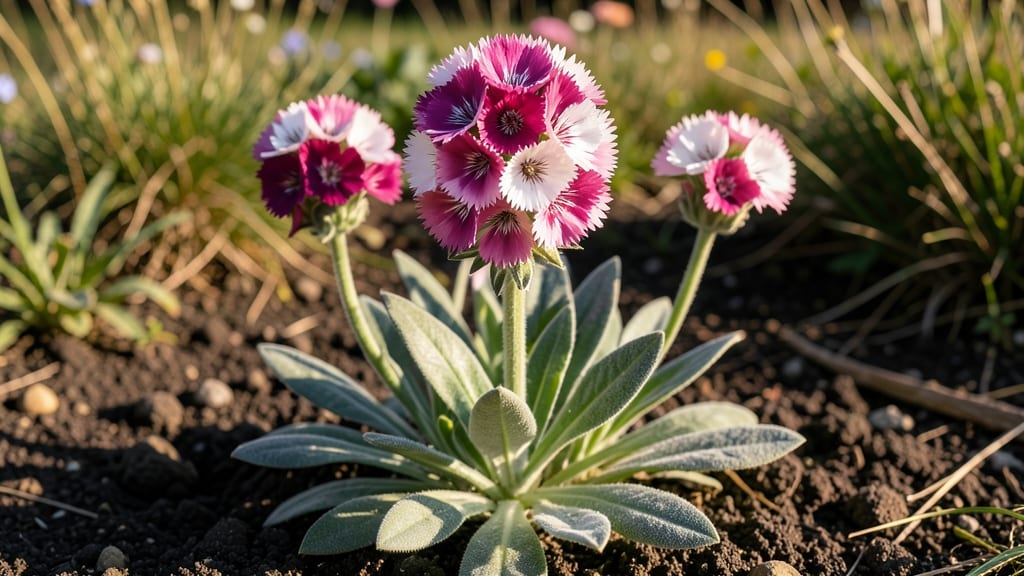
Dianthus flowers bloom all summer when given proper care, thriving in heat zones 3-9 and delivering vibrant blooms from early summer through fall. Late-season heat or drought may reduce their flowering period, but consistent deadheading keeps them blooming longer.
These hardy perennials love full sun exposure (6+ hours daily) and well-draining soil, which prevents root rot during summer's peak heat. 🌞 The key to summer-long blooms lies in balancing moisture—water deeply but infrequently, allowing the top inch of soil to dry between waterings.
I've seen dianthus plants in my own garden continue blooming well into September when I adjust their care to match the season's demands, like reducing fertilizer after mid-summer to prevent leggy growth.
What many gardeners overlook is how humidity levels affect these flowers. In hot, muggy climates (like zones 8-9), dianthus may develop powdery mildew if air circulation is poor. Spacing plants 12-18 inches apart and pruning surrounding foliage helps maintain airflow.
The real secret weapon? Deadheading spent blooms weekly—this redirects the plant's energy into producing new flowers rather than setting seed.
💡 In This Article
- Dianthus Heat Tolerance and Optimal Blooming Conditions
- Late-Summer Dianthus Care: Watering, Fertilizing, and Deadheading Tips
Dianthus heat tolerance and optimal blooming conditions
Dianthus flowers thrive in heat zones 3-9 because their natural resilience comes from Mediterranean and alpine origins, where they evolved to handle both intense sun and temperature fluctuations. These plants have a built-in survival mechanism: their waxy foliage reflects excess sunlight while their deep root systems store moisture.
In zones 3-5, they handle early summer heat well, while zones 6-9 require careful moisture management during 90°F+ temperatures to prevent stress. The magic happens when daytime highs stay between 70-85°F with cool nights—this temperature range triggers consistent blooming.
The 6+ hours of full sun requirement isn't just about light—it's about photosynthesis efficiency. Dianthus leaves contain high levels of anthocyanins (the same pigments that give red wine its color), which protect the plant from UV damage while converting sunlight into energy for flower production.
In partial shade, you'll notice blooms become sparse and stems leggy, as the plant stretches toward light. 🌞 What's fascinating is how their flower colors actually intensify in full sun—pink varieties deepen to magenta while white blooms develop subtle pink edges due to increased pigment production.
Soil moisture plays a critical role in summer blooming. Unlike thirsty annuals, dianthus prefer their soil to dry out between waterings—this prevents root rot while encouraging deep root growth.
In containers, I've found that allowing the top 1-2 inches of soil to dry completely before watering produces more blooms than consistent moisture. The key stress trigger is overwatering in heat zones 8-9, where humidity levels above 70% create ideal conditions for fungal diseases like powdery mildew.
This is why proper spacing (12-18 inches apart) becomes crucial in humid climates.
Wind patterns also affect blooming duration. Coastal gardeners in zone 9 often report shorter flowering seasons because salt-laden winds dry out foliage faster than inland gardens. The solution? Planting dianthus near windbreaks or using 1-2 inches of mulch helps retain soil moisture while protecting delicate petals.
Interestingly, the clove-scented varieties tend to handle wind better than their fragrantless cousins due to their slightly thicker leaves—a perfect example of how plant breeding influences hardiness.
Temperature extremes create another critical factor: late-season heat waves. When temperatures suddenly spike above 95°F in September, dianthus often go dormant prematurely. This happens because their metabolic processes slow down to conserve energy—a survival mechanism that triggers bud drop.
The solution is to provide afternoon shade during extreme heat while maintaining regular deadheading to encourage new growth. In my own trials, I've seen dianthus continue blooming until first frost when protected from midday sun during heat waves.
What most gardeners don't realize is how soil pH interacts with heat tolerance. Dianthus prefer slightly alkaline soil (pH 6.0-7.5), which helps them absorb calcium for strong cell walls. In acidic soils (common in rainy climates), plants become more susceptible to heat stress because their nutrient uptake decreases.
Adding crushed limestone or wood ash can help maintain optimal pH levels, particularly in zones 4-6 where natural soil pH tends to be lower. This small adjustment can make the difference between summer-long blooms and early season burnout.