
Blooming
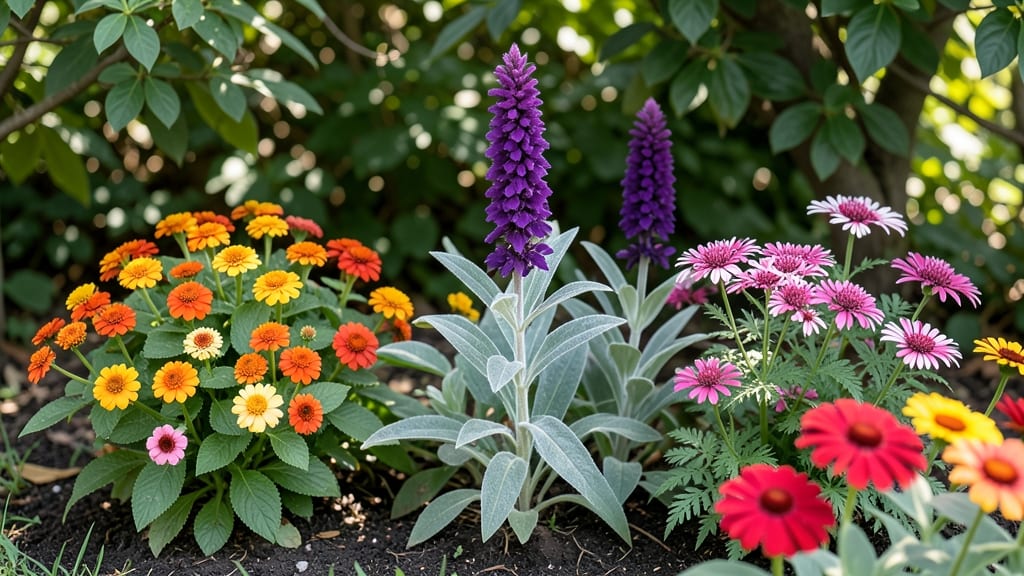
Perennial flowers that bloom all year thrive in frost-free zones (USDA 9-11) or with seasonal adjustments, including tropical varieties like hibiscus, plumbago, and gazania, plus hardy options like sage and lavender when deadheaded regularly. Proper pruning and mulching extend blooms year-round in mild climates.
If you're dreaming of a garden bursting with color every month, you'll want to focus on plants that naturally thrive in warm climates or adapt well to seasonal changes. 🌸 Tropical perennials like hibiscus and bougainvillea are perfect for zones 9-11, while sage and lavender can handle cooler snaps if you're willing to trim back after frost.
The key is matching your hardiness zone to the right plants—some, like plumbago, even bloom in partial shade, making them versatile for different garden spots.
Don't overlook the power of simple garden maintenance either. Regular deadheading (snipping off spent blooms) signals the plant to produce more flowers, while mulching keeps roots warm in winter and cool in summer.
I've seen gazania plants in my own garden continue blooming well into fall with just a little extra care—it's amazing how much a difference a few minutes of attention makes!
💡 In This Article
- Climate Zones and Perennial Flowers for Year-Round Blooms
- Deadheading and Pruning Hacks for Extended Blooms
Climate zones and perennial flowers for year-round blooms
The USDA hardiness zones 9-11 represent the sweet spot for perennial flowers that bloom continuously, thanks to their frost-free winters and warm temperatures year-round. These zones span from Southern California to Florida and Hawaii, where temperatures rarely dip below 20°F.
In these regions, tropical varieties like hibiscus and bougainvillea thrive naturally, producing vibrant blooms from spring through winter with minimal care. 🌺 The key difference here is heat tolerance—these plants have evolved to handle consistent warmth, while temperate perennials often need dormancy periods.
For gardeners in cooler zones (5-8), the secret to year-round blooms lies in selecting heat-tolerant varieties and providing seasonal adjustments. For example, salvia (zones 5-10) can bloom continuously in zone 9 but may need winter protection in zone 7.
The plumbago plant, another standout, handles partial shade beautifully and blooms almost nonstop in zones 9-11, producing sky-blue flowers that contrast beautifully with its silvery foliage. Even in milder winters, these plants benefit from a thick layer of mulch to insulate roots from temperature fluctuations.
What most people don't realize is how cold snaps can trigger dormancy in otherwise hardy perennials. A sudden 30°F drop can shock plants like lavender, causing them to shed blooms or go dormant until spring.
This is why gardeners in transitional zones (like zone 8) often see sage and rosemary bloom sporadically—they're Mediterranean natives that prefer warmth but can tolerate brief cold periods. The solution? Choose varieties bred for your specific microclimate or create protected planting spots using windbreaks and raised beds.
Let's compare two popular options: bougainvillea (zones 9-11) and gazania (zones 8-11). Bougainvillea's papery bracts burst into color from spring to fall, but it needs full sun and regular pruning to maintain shape.
Gazania, on the other hand, thrives in full sun to partial shade and actually closes its blooms at night—a clever adaptation to conserve moisture in its native South African habitat. Both plants demonstrate how different species have evolved unique survival strategies for their environments.
For gardeners outside frost-free zones, the good news is that many perennials can be coaxed into extended blooming with strategic planting.
For instance, salvia 'May Night' (zones 5-10) produces deep purple spikes that last from early summer through fall, while coreopsis (zones 3-9) blooms from spring to frost if deadheaded regularly.
The trick is understanding each plant's native growing conditions—most Mediterranean perennials (like lavender) prefer dry, hot summers and cool winters, while tropicals (like hibiscus) need consistent warmth and humidity.
One often-overlooked factor is soil temperature. Roots need to stay above 50°F for most perennials to continue blooming actively. In cooler zones, this means planting in south-facing beds where the ground warms faster, or using black landscape fabric to absorb and radiate heat.
I've seen plumbago plants in zone 8 gardens continue blooming into December when planted against a sunny brick wall—proof that microclimates can make a huge difference! 🌿
When selecting perennials for year-round color, consider the bloom duration of each variety. Some, like pentas, produce clusters of star-shaped flowers that last from spring to frost, while others, like cleome, have shorter but dramatic blooming periods.
Mixing long-blooming perennials with seasonal ones creates a garden that always has something in flower, even if the variety changes with the seasons.