
Blooming
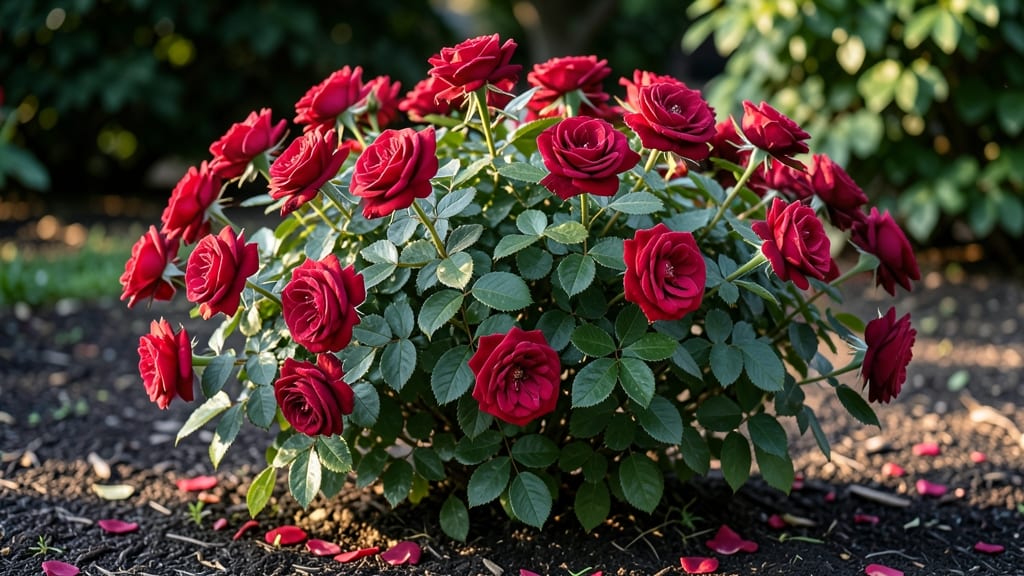
Knockout roses 🌹 bloom continuously from June through October, but their cycle depends on smart pruning and care to keep them flowering longer.
If you love knockout roses but wish their vibrant blooms lasted longer, understanding their natural bloom cycle—and how to prune them strategically—could transform your garden into a year-round floral masterpiece.
These roses thrive in USDA Zone 6a, where spring planting sets the stage for summer’s first flush of blooms. But without the right timing, even the hardiest roses can fizzle out by late summer.
In this guide, I’ll walk you through the three key bloom cycles, when to prune for maximum reblooming, and the simple tricks to keep your roses in peak form until frost.
Understanding the natural Knockout rose bloom cycle and its stages
Knockout roses are famous for their continuous blooming from early summer through fall, but their three distinct bloom cycles—spring, summer, and fall—often go unnoticed. Each cycle depends on temperature shifts, daylight hours, and proper care to ensure vibrant flowers.
If you’ve ever wondered why your roses bloom heavily in summer but fade in fall, the answer lies in their natural growth patterns and how climate influences them.
Unlike traditional roses that bloom once and fade, Knockout roses rebloom thanks to their unique genetics. The spring flush sets the stage, while summer’s long days trigger continuous flowering.
Fall’s cooler temps can extend blooms if the plant remains healthy. Understanding these stages helps you time pruning, fertilize correctly, and adjust watering to maximize blooms year-round.
Climate plays a critical role in bloom cycles. In USDA Zones 6-9, Knockout roses thrive, but hot summers can stress plants, while cool falls may shorten the season. Southern gardens often see longer summer blooms, while northern regions may experience earlier fall blooms. Even microclimates—like urban heat islands—can shift bloom timing by weeks.
Identifying a healthy vs. stressed Knockout rose starts with observing leaf color, bud formation, and growth rate. Dark green leaves with few yellowing edges signal good health, while pale or curled leaves often mean nutrient deficiencies or pest damage.
Stressed plants may produce smaller blooms or fewer flowers, especially during heatwaves or drought.
Daylight hours trigger reblooming. When days shorten in late summer, roses may slow flower production unless you prune strategically to encourage new growth. In Zone 7, for example, roses might bloom until first frost (October), while in Zone 9, blooms can last until November. Understanding your local frost dates helps plan for fall care.
| Bloom Stage | Typical Timing (USDA Zone 7) | Key Triggers | Care Tips |
|---|---|---|---|
| Spring Flush | April–May | Warm soil, 12+ hours daylight | Light prune, fertilize, water deeply |
| Summer Rebloom | June–August | Long daylight, consistent moisture | Deadhead spent blooms, mulch |
| Fall Blooms | September–October | Cooler temps, shorter days | Reduce water, prune lightly |
The spring flush is your rose’s first major bloom after winter dormancy. Buds form when soil warms to 50–60°F, and blooms appear in 4–6 weeks. This stage is critical because weak spring growth leads to fewer summer blooms.
I always test soil pH (ideal: 6.0–6.5) and add compost to ensure strong roots.
Summer reblooming is where Knockout roses shine, producing continuous flowers if given proper care. Heat stress can cause bud drop, so I water deeply in mornings and provide afternoon shade in extreme heat. Mulching with 3–4 inches of organic matter retains moisture and regulates soil temp.
Fall blooms often surprise gardeners with late-season color, but early frosts can cut them short. In Zone 8, I’ve seen roses bloom until November 1st, while in Zone 5, blooms may end by October 15th.
To extend fall blooms, I prune lightly in early fall to stimulate new growth and avoid heavy fertilizing, which encourages tender shoots vulnerable to frost.
Stressed Knockout roses show clear warning signs. Yellow leaves often mean overwatering or nutrient deficiency, while blackened buds signal fungal disease (like black spot).
I’ve learned to inspect plants weekly and remove affected leaves immediately. A healthy rose should have firm stems, glossy leaves, and plentiful buds.
Climate extremes can disrupt bloom cycles. Drought stress causes buds to abort, while excessive rain promotes fungal growth. In humid climates, I space roses 3–4 feet apart for airflow and apply fungicide preventatively.
Conversely, in arid regions, drip irrigation keeps roots consistently moist without wetting foliage.
To identify healthy vs. stressed roses, compare leaf size,
Step-by-step pruning guide to extend Knockout rose blooms
Knockout roses are famous for their continuous blooms, but strategic pruning techniques can turn their seasonal color into a year-round spectacle. Unlike traditional roses, these shrubs thrive on light pruning that encourages dense growth and reblooming.
The key lies in understanding when to prune—not just how. Let’s break down the seasonal pruning cycle to maximize your roses’ potential.
Most gardeners make the mistake of pruning at the wrong time, which can stunt growth or invite disease. Instead, focus on four critical pruning windows: early spring, summer, fall, and winter.
Each serves a distinct purpose—from cleaning up old growth to stimulating new blooms. With the right tools and timing, you’ll keep your knockout roses bursting with color from spring through frost.
- Early Spring (March-April): Cleanup pruning to remove dead/diseased wood and shape the shrub. Cut back last year’s blooms by ⅓ to encourage new growth.
- Summer (June-August): Deadhead spent blooms weekly to redirect energy to new buds. Prune lightly—never more than 10% of the plant—to avoid stress.
- Fall (October-November): Rejuvenation pruning to remove weak stems and thin crowded canes. Reduce height by 20-30% to improve airflow.
- Winter (December-February): Minimal pruning—only remove broken or crossing branches. Avoid heavy cuts; let the plant rest for spring.
Start with the right tools to avoid damaging your roses. Use bypass pruners for clean cuts on thin canes and a loppers for thicker stems. Disinfect blades with rubbing alcohol between cuts to prevent spread of disease.
For larger shrubs, a pruning saw can handle thick branches, but avoid overusing it—keep cuts smooth and angled just above a bud or outward-facing leaf.
In early spring, focus on removing dead wood first. Look for branches that are brown, brittle, or hollow—these won’t recover. Next, cut back last year’s blooms by about ⅓ of their height.
This might seem drastic, but it stimulates vigorous new growth and sets the stage for summer’s first flush of blooms. Always prune just above a healthy bud that faces outward to maintain an open, airy shape.
During the summer months, your knockout roses will reward you with nonstop blooms—but only if you stay on top of deadheading. Snip off faded blooms every 7-10 days to prevent seed formation, which drains energy from new buds.
Use your fingers or small pruners to pinch off spent flowers at the base. This simple habit can extend blooming by 4-6 weeks and keep your shrub looking neat and full.
As fall approaches, shift your focus to rejuvenation. Knockout roses can get leggy or overgrown by late summer, so prune back 20-30% of the plant’s height to encourage compact growth. Remove weak, crossing, or inward-growing branches to improve air circulation and reduce disease risk.
This is also the time to shape the shrub—give it a rounded or vase-like form for a polished look.
Winter pruning is minimal but essential. Avoid heavy cuts, as the plant needs to enter dormancy with enough energy stored. Instead, remove only broken or diseased branches and thin out crowded areas.
If your roses are heavily infested with pests, prune out infested stems and dispose of them in the trash—not the compost. A light winter trim keeps the shrub healthy and ready to burst into bloom as soon as spring arrives.