
Blooming
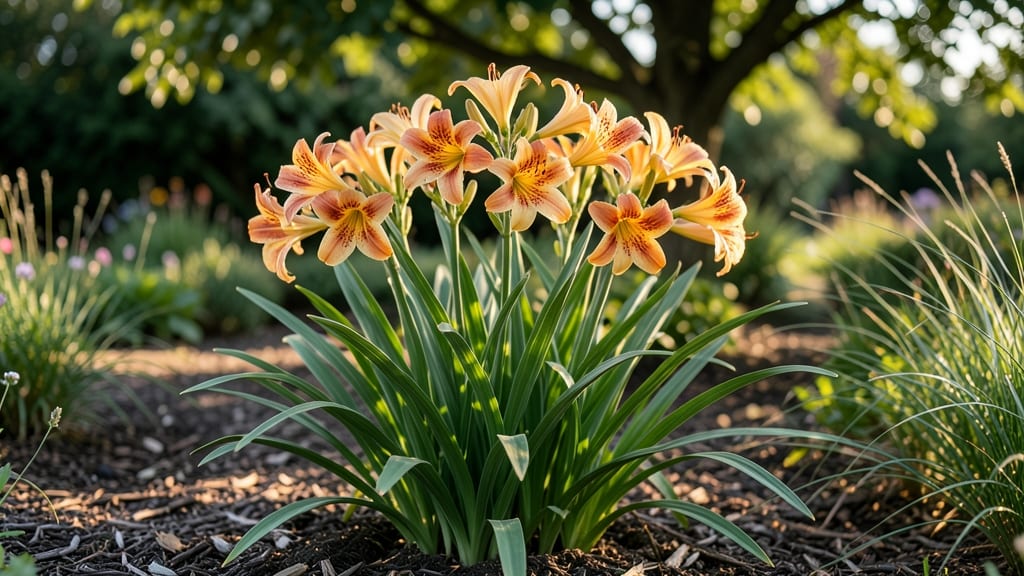
If your daylilies are putting on just one spectacular show and then fading into green foliage, you’re missing out on months of vibrant blooms.
The secret lies in understanding their natural bloom cycles and how to encourage reblooming, which can turn a single burst of color into a continuous garden highlight.
From choosing the right varieties to mastering pruning and fertilization, extending your daylilies’ bloom time is easier than you’d expect. Whether you’re in Zone 6a or further south, these techniques will help you enjoy 🌸 after 🌸 all summer long.
In this guide, I’ll break down the science behind reblooming, share my top tips for keeping your daylilies flowering, and even recommend the best varieties for nonstop color. Let’s get started!
Understanding daylily bloom cycles: why reblooming works
Daylilies are famous for their bold, colorful blooms, but many gardeners only see one showstopping display each season. The secret to extended bloom time lies in understanding how reblooming varieties differ from single-bloom types—and how to encourage that second (or even third!) flush of flowers.
Unlike single-bloom daylilies, which put all their energy into one burst of color, rebloomers like 'Stella de Oro' or 'Happy Returns' produce multiple flower scapes throughout the growing season.
This difference comes down to genetic triggers and environmental cues. Reblooming daylilies have adapted to produce flowers in response to temperature shifts and daylength changes, rather than relying on a single seasonal push.
When you see those vibrant blooms fade after the first flush, it’s often because the plant’s energy is being diverted to foliage growth or rhizome storage instead of continuous flowering. The good news? With the right care, you can break this cycle and enjoy months of color.
Here’s how it works: Most daylilies bloom in early summer, triggered by rising temperatures and longer daylight hours. Rebloomers, however, have a second (or third) trigger—often a cool snap in late summer or shorter days in fall—that signals the plant to produce new flower scapes.
Single-bloom varieties, on the other hand, enter dormancy mode after their first flush, conserving energy for next year’s growth.
The hardiness zone you garden in plays a huge role in reblooming success. Daylilies in warmer zones (7-10) often produce more consistent reblooms because they avoid the dormancy triggers of cold snaps.
In cooler zones (3-6), you’ll need to protect foliage from early frosts and extend the growing season with mulch or row covers to encourage a second flush. For example, 'Happy Returns' thrives in zones 4-9 and can rebloom if given consistent moisture and well-draining soil.
Flower scape production is where the magic happens. Each flower stalk contains multiple buds, but single-bloom varieties only open a fraction of them. Rebloomers, however, can reactivate dormant buds later in the season when conditions are right.
This is why deadheading spent blooms is critical—it removes the seed heads that signal the plant to halt flowering and focus on seed production instead. By snipping off faded blooms just above the next set of buds, you’re telling the plant, "Keep going!"
Light and temperature work together to trigger reblooming. Daylilies need 6+ hours of sunlight daily to produce enough energy for continuous flowering. If your rebloomers are skipping their second flush, check for shade issues or overcrowding.
Additionally, a 5-10°F drop in nighttime temperatures in late summer can stimulate new flower scapes in reblooming varieties. This is why gardeners in hot climates sometimes see fewer reblooms—the lack of temperature variation can delay or prevent the second trigger.
Dormancy is the silent saboteur of reblooming dreams. Even the hardiest rebloomers need a short rest period to recharge, but if you push them too hard, they’ll exhaust their energy reserves.
In zones 5-7, I’ve found that lightly trimming back foliage in late fall (but leaving some leaves for photosynthesis) helps the plant
Proven techniques to extend daylily bloom time naturally
If your daylilies are putting on just one spectacular show and then fading into green foliage, you’re missing out on months of vibrant blooms. The secret to reblooming daylilies lies in understanding their natural cycles and giving them the right care at the right time.
With a few simple adjustments, you can encourage a second (or even third!) wave of flowers all season long. The key is balancing pruning, fertilization, watering, and soil health—each plays a critical role in coaxing those extra blooms.
Not all daylilies rebloom equally—some varieties are bred specifically for extended flowering, while others put on just one show. Early-season bloomers like 'Happy Returns' often produce a second flush in late summer, while late-season varieties might surprise you with a fall rebloom.
The good news? Even single-blooming types can sometimes be coaxed into reblooming with the right care. Let’s dive into the proven techniques that will keep your daylilies flowering for months.
- 🌱 Prune after first bloom: Cut back spent flower stalks to 6 inches tall right after the first bloom cycle. This redirects energy to new growth and reblooming.
- 💧 Water deeply but less often: 1-2 inches per week during dry spells keeps roots healthy. Avoid soggy soil—drainage is key for reblooming success.
- 🌿 Fertilize in stages: Apply a balanced fertilizer (10-10-10) in early spring and mid-summer. Organic options like compost or worm castings work too!
- ✂️ Deadhead strategically: Remove faded blooms but leave the lower buds intact. This encourages new flower scapes to form for reblooming.
- 🌳 Mulch for moisture: Spread 2-3 inches of mulch around the base to retain soil moisture and temperature, which supports continuous blooming.
Let’s start with pruning, the first step to encouraging reblooming. After your daylilies finish their initial bloom cycle, cut back the spent flower stalks to about 6 inches tall.
This might seem counterintuitive—after all, you want to keep those pretty blooms!—but pruning redirects the plant’s energy from seed production to new growth and flower scapes. For reblooming varieties, this often triggers a second flush of blooms in late summer or early fall.
Just avoid pruning too late in the season, as this can stress the plant before winter.
Next up is fertilization, which is where many gardeners go wrong. Daylilies are light feeders, but timing matters. In early spring, apply a balanced fertilizer (10-10-10) to jumpstart growth. Then, give them a second light feeding in mid-summer to support reblooming.
Organic options like compost or fish emulsion are excellent choices—they feed the soil, not just the plant. Avoid heavy fertilizers in fall or winter, as this can encourage tender new growth that won’t survive cold temperatures.
Watering is another critical factor for extended bloom time. Daylilies are drought-tolerant once established, but they still need consistent moisture to produce those extra blooms. Aim for 1-2 inches of water per week, either from rain or irrigation.
Water deeply in the morning to reduce evaporation and fungal risks. If your soil drains poorly, consider amending it with compost or sand to improve aeration. Well-draining soil prevents root rot, which can kill reblooming potential before it starts.
Finally, don’t underestimate the power of soil amendments and mulch. Daylilies thrive in rich, well-draining soil with a slightly acidic to neutral pH (around 6.0-7.0). Work in 2-3 inches of compost in early spring to provide nutrients and improve soil structure.
Then, top it off with 2-3 inches of mulch to retain moisture and regulate soil temperature. Mulching also suppresses weeds, which compete with daylilies for nutrients and water. For late-season rebloomers, a thick layer of mulch can even extend the growing season slightly.
With these natural techniques, your daylilies can put on a second (or third!) show all season long. The key is consistency—prune at the right time, fertilize lightly but strategically, water deeply, and keep the soil healthy.
Before you know it, your garden will be bursting with color from early summer through fall. Happy gardening! 🌸