
Blooming
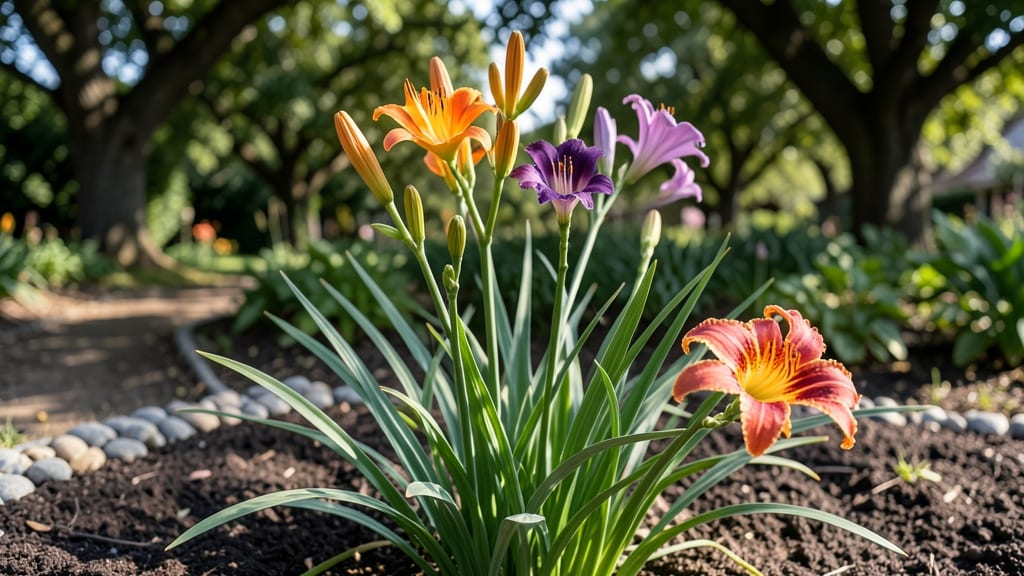
Daylilies do bloom all summer in most regions when properly cared for, producing flowers continuously from early summer through fall if you deadhead spent blooms regularly. Reblooming varieties can extend their flowering season even longer than standard types, though their performance depends on your hardiness zone and growing conditions.
Daylilies earn their name from their daily blooming habit, but their summer-long performance comes down to two key factors: reblooming genetics and consistent care. 🌸 The plants store energy in their extensive rhizome systems, allowing them to produce new flower stalks even after the first flush blooms.
In warmer climates (zones 5-9), reblooming varieties like 'Stella de Oro' or 'Happy Returns' can keep flowering until frost, while single-bloom types typically peak in late spring. The secret to extending their season lies in removing faded blooms promptly—this prevents seed formation and redirects the plant's energy toward new growth.
What sets daylilies apart from other perennials is their remarkable adaptability. Unlike many flowers that fade as temperatures climb, daylilies thrive in full sun and heat tolerance, making them ideal for summer gardens.
Their deep root systems also help them withstand drought once established, though consistent moisture during their first year promotes robust growth. For gardeners in cooler zones (4-5), choosing early reblooming varieties and providing winter mulch can help maintain their flowering cycle well into fall.
💡 In This Article
- Why Daylilies Continue Blooming Through Summer
- Best Daylily Varieties for Extended Summer Blooms
Why daylilies continue blooming through summer
The botanical magic behind daylilies' summer-long blooms starts with their unique flower structure. Unlike many perennials that produce a single flush of flowers, daylilies have individual florets on each stem that open sequentially over 3-5 days.
This staggered blooming means you'll always see fresh flowers emerging even as older ones fade. The plant's energy storage system—thick, fibrous rhizomes—acts like a natural battery, storing carbohydrates and nutrients to fuel continuous growth. 🌸
Deadheading plays a critical role in extending the bloom season. When you remove spent blooms, you prevent the plant from diverting energy into seed production. This redirection allows daylilies to produce 2-3 new flower stalks per season in ideal conditions, compared to just one in neglected plants.
The timing matters too: remove faded blooms within 24 hours of wilting for maximum effect. Reblooming varieties take this further by developing secondary flower buds after the initial flush, often triggered by daylength changes in late summer.
Temperature and daylight create the perfect conditions for summer blooms. Daylilies thrive in 60-85°F ranges, making them ideal for summer gardens. While single-bloom types rely on spring's cooler temperatures, rebloomers use summer's warmth to stimulate new growth.
The key is maintaining consistent moisture—1-1.5 inches of water weekly—while avoiding waterlogged soil. In hot climates, morning watering prevents fungal issues that could stress the plants and shorten their bloom cycle.
Root systems are the unsung heroes of daylily longevity. Their extensive rhizomes spread 12-18 inches underground, creating a vast network that absorbs water and nutrients efficiently. This deep root structure allows daylilies to access moisture during dry spells while maintaining stability in windy conditions.
The rhizomes also store starches that get converted to sugars during active growth periods, providing the energy needed for continuous flowering. 🌿
Light exposure directly impacts bloom duration. While daylilies tolerate partial shade, they perform best in full sun (6+ hours daily), which maximizes photosynthesis and flower production. In northern climates, they may need afternoon shade to prevent heat stress.
The plant's ability to adjust its flowering cycle based on light duration explains why rebloomers perform better in regions with long summer daylight—typically 14-16 hours of daylight triggers their secondary blooming phase.
Consider these seasonal care adjustments for optimal summer blooms:
- Early summer: Apply balanced fertilizer (10-10-10) when new growth appears
- Mid-summer: Increase watering to 2 inches weekly during dry spells
- Late summer: Reduce fertilizer to prevent late-season growth that won't harden off
- Fall prep: Apply 2-3 inches of mulch to protect roots in cooler zones