
Flowers
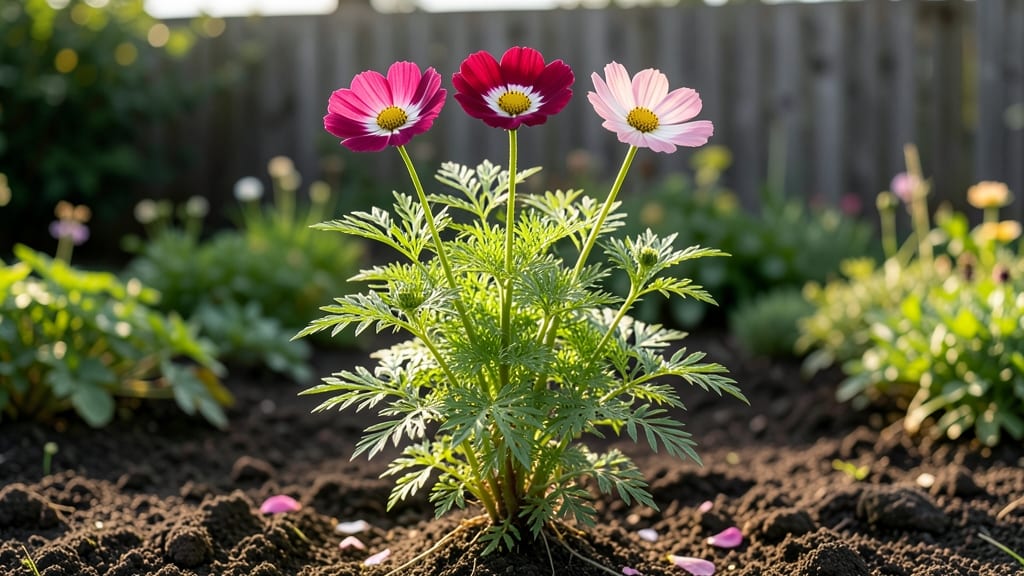
The cosmos flowers bloom time is surprisingly fast—just 6-12 weeks once triggered by warm soil and sunlight, turning your garden into a vibrant display of pink, white, and red 🌼.
Ever planted cosmos seeds in spring only to wait and wait—then wonder why they’re still just leaves? The secret isn’t patience; it’s heat. These annuals need soil temps above 60°F to kickstart blooms, and cooler starts can delay them by weeks.
Here’s the good news: once they bloom, cosmos keep producing flowers for 3-4 months with the right care. Deadheading spent blooms and choosing the right variety (like ‘Bright Lights’ or ‘Sensation Mix’) can stretch that window even longer.
I’ll break down the exact bloom windows by variety, how to speed up flowering, and the best planting times for year-round color—so you can enjoy those effortless, airy blooms from summer through fall.
When do cosmos flowers bloom: exact heat-triggered stages by variety
If you've ever planted cosmos seeds only to stare at lush green foliage with no flowers in sight, you're not alone. These cheerful blooms need precise conditions to trigger their heat-sensitive flowering cycle.
The moment soil warms to 60°F (15°C) and day lengths stretch beyond 12 hours, your cosmos will race toward bloom—typically within 4-8 weeks after germination. But timing varies dramatically by variety, with some like 'Seashells' blooming 2 weeks faster than others.
The key to unlocking cosmos blooms lies in understanding their temperature thresholds and day-length sensitivity. Unlike cool-season flowers, cosmos are warm-season thrill-seekers that bolt (or rush to flower) when conditions are perfect.
For gardeners in USDA Zones 6-10, this usually means waiting until late spring or early summer—but with the right variety, you can extend blooms into fall. Let's break down the exact bloom windows for three popular cosmos varieties.
🌱 Pro Tip: Test soil warmth with a soil thermometer—cosmos won't germinate below 60°F, and blooms stall if temps dip below 55°F (13°C) at night. A clear plastic mulch layer can add 5-10°F to soil heat, speeding up the process.
'Sensation Mix' cosmos are the slow-and-steady bloomers of the group, taking 6-8 weeks from seed to first flower. Their pink, white, and red blooms thrive in full sun and well-draining soil, but they need consistent moisture during their initial growth phase. Once triggered by 60°F+ soil temps, they'll reward you with 8-10 weeks of continuous blooms—perfect for cutting gardens or bouquets.
For faster results, turn to 'Bright Lights', a dwarf variety that blooms in just 5-7 weeks. This sun-loving powerhouse reaches 2-3 feet tall and produces bright pink and white flowers that attract pollinators like crazy. The catch?
They're more sensitive to day length, needing 10-14 hours of daylight to trigger blooms. Plant them in late spring for summer-to-fall color, or start seeds indoors 4-6 weeks before your last frost for an early jumpstart.
'Seashells' cosmos are the speedy bloomers, often flowering in just 4-6 weeks under ideal conditions. Their delicate, shell-pink blooms stand out in mixed borders and container gardens. Unlike other varieties, they're less picky about day length, making them ideal for northern gardens where daylight stretches longer. With 6-8 weeks of bloom time, they're also great for cut flowers—just deadhead regularly to keep them producing.
All cosmos varieties bolting (rush to flower) when stressed by heat or drought, so consistent watering is key. Once blooms appear, they'll keep coming as long as you deadhead spent flowers and provide 6+ hours of sun daily.
For extended fall blooms, sow a second batch of seeds in late summer—they'll often flower before frost hits.
🌼 Remember: Cosmos are annuals, so they'll die back with frost. But their self-seeding habit means you'll likely get volunteer plants next year—just thin them to avoid overcrowding. For perennial cosmos (like Cosmos atrosanguineus), expect blooms in
How to speed up cosmos bloom time: proven tips for faster flowers
If your cosmos plants are taking forever to bloom, don't worry—you can cut the wait time by 2-3 weeks with the right techniques. Cosmos love heat and thrive when given a little extra care during their early growth stages.
The key is to warm the soil, encourage strong stems, and extend the flowering season through smart gardening habits.
First, focus on soil temperature—cosmos won't bloom until the soil reaches at least 60°F (15°C). If your spring is chilly, use black plastic mulch or a clear cloche to trap heat.
This simple trick can shave off 1-2 weeks from their bloom time. Pair this with light fertilizing (5-10-10 NPK) to boost root and stem development without overfeeding.
- 🔥 Warm the soil with black plastic mulch or a cloche to hit 60°F+ faster.
- ✂️ Deadhead regularly—remove faded blooms to trigger non-stop reblooming.
- 🌿 Plant with marigolds to repel pests and reduce stress on your cosmos.
Once your cosmos are actively growing, deadheading is your secret weapon. Snip off spent blooms every 3-4 days to prevent seed formation and redirect energy into new flowers.
This keeps your plants in continuous bloom mode for months. Avoid over-pruning, though—focus on removing only fully faded blooms to avoid stressing the plant.
Another game-changer is companion planting. Cosmos pair beautifully with marigolds, which deter pests like aphids and whiteflies. Plant them 6-12 inches apart to create a protective barrier.
You’ll also see bolting (premature flowering) reduce when cosmos aren’t competing with weeds or overcrowded neighbors. Thin seedlings to 12-18 inches apart for optimal airflow and growth.
For a second flush of blooms, try a late-summer planting in warm climates (USDA zones 8-10). Sow seeds in August for fall color—cosmos handle heat better than many flowers and will reward you with bright blooms until frost.
Just keep an eye on moisture; drought-stressed plants may bolt prematurely.
Finally, avoid heavy nitrogen fertilizers—they promote leafy growth at the expense of flowers. Stick to a balanced 5-10-10 formula and apply it lightly every 4-6 weeks. Overfeeding can lead to lanky stems that flop over, slowing down—or even stopping—blooming entirely.