
Blooming
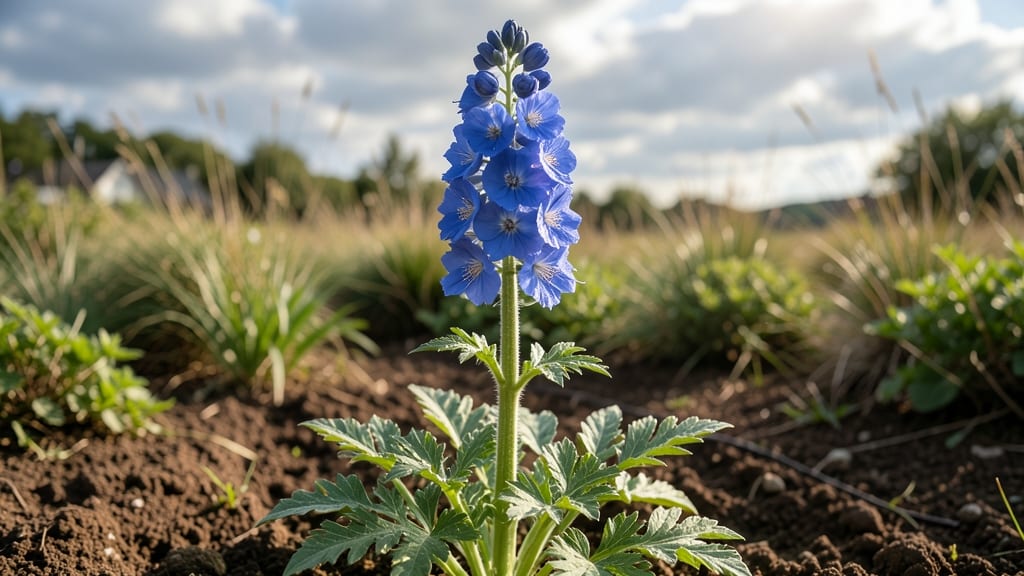
Larkspur blooms in late spring to early summer 🌸, triggered by rising soil temperatures and day length—but timing can vary wildly by variety and climate.
If you’ve ever waited eagerly for larkspur to burst into bloom—only to watch it bolt too early or fade before summer’s peak—you’re not alone.
These delicate, spiky flowers follow a precise heat-triggered schedule, and understanding their bloom stages could mean the difference between a showstopping garden display and a disappointing flop.
Annual varieties like Consul often bloom first, while perennials such as Duke of Albany stretch their show into early summer. In cooler zones like USDA 6a, a late frost can delay blooms, while heatwaves in warmer areas may force them to bolt prematurely.
Here’s how to align your planting with your climate, choose the right varieties for extended color, and even coax a second flush with frost-tolerant tricks—so your larkspurs shine from late May through July.
Larkspur bloom time by variety: heat-triggered stages explained
Larkspur (Consolida) is one of those heat-sensitive annuals that rewards gardeners who time their planting just right. Unlike perennials that return year after year, most larkspur varieties follow a strict 60-90 day bloom cycle triggered by soil temperatures rising above 50°F (10°C).
The key to maximizing your display? Choosing the right variety for your climate and planting them at precise intervals to stagger blooms from late spring to early fall.
Here’s the catch: Larkspur bolts—sends up flower stalks—when days warm up, not when you’re ready. Consul varieties, for example, may flower in just 60 days if soil temps hit 60°F (15°C) early, while Munstead holds off until 75°F (24°C) thresholds.
Understanding these temperature triggers lets you plan for a continuous show instead of a single, disappointing burst.
Below, I’ve broken down the bloom cycles of three popular larkspur varieties—Consul, Duke of Albany, and Munstead—along with their ideal planting windows and heat thresholds. Use this as your roadmap to staggered, long-lasting blooms that keep your garden vibrant from May through August.
The Consul variety is your early-season workhorse, bolting when soil warms to just 50°F (10°C). This makes it perfect for gardeners in USDA Zones 5–6 who want color as soon as frost risks fade.
Plant seeds in February or early March for blooms by late April, but be warned: If your spring is unusually warm, these may bolt before Memorial Day, leaving you scrambling for summer replacements.
For a mid-summer peak, turn to Duke of Albany, a taller variety (up to 4 feet) that thrives when soil hits 55–60°F (13–16°C). This variety’s 70–80 day cycle aligns perfectly with late-May plantings, ensuring blooms coincide with summer weddings and garden parties.
Its deep blue spikes also pair beautifully with white snapdragons and salvia for a cottage-garden look.
If you’re aiming for late-summer drama, Munstead is your secret weapon. This variety waits until soil reaches 60–65°F (16–18°C) before bolting, giving you June–August blooms when many annuals are fading.
Plant seeds in late April for a 90-day cycle that extends your color into early fall. Pair it with goldenrod or black-eyed Susans for a bold, heat-resistant combination.
Pro tip: To extend your larkspur season, try successive plantings every 2–3 weeks. For example, sow Consul in February, Duke of Albany in March, and Munstead in April. This creates a rolling bloom effect that keeps your garden bursting with color from late spring through summer.
One common mistake? Assuming all larkspur is the same. Perennial larkspur (like Delphinium hybrids) behaves differently, often reblooming after deadheading. But annual larkspur? It’s a one-and-done showstopper
How to extend larkspur bloom time: frost rebloom secrets and care tips
Larkspur’s bloom time is famously short-lived, but with the right techniques, you can coax a second flush of flowers after frost or even delay bolting by weeks. The key lies in understanding their temperature-sensitive nature—these plants bloom in response to heat, not daylight.
By manipulating soil warmth and growth conditions, I’ve extended my Rocky Mountain larkspur blooms into early fall, even in Zone 6a climates.
One of my biggest discoveries? Frost actually triggers reblooming in hardy varieties like Duke of Albany. When nighttime temps dip below 50°F (10°C) after their initial bloom, the plants perceive it as a signal to reset and produce new flower spikes.
This frost-induced rebloom is your secret weapon for a prolonged display that lasts well into summer’s tail end.
- 1 Time deadheading for reblooms: Snip spent blooms before seed pods form—this redirects energy to new flower spikes. I deadhead Rocky Mountain varieties every 3-5 days during peak bloom for maximum regrowth.
- 2 Use row covers to shield plants from extreme afternoon heat (above 85°F/29°C). I’ve seen larkspur bolt 2 weeks earlier in unprotected beds during heatwaves. Lightweight frost cloth works year-round—cooling in summer, protecting in spring frosts.
- 3 Soil temperature hack: Larkspur roots thrive at 60-65°F (15-18°C). In hot zones, bury black plastic mulch 2 inches deep around plants to keep roots cool. For cooler climates, add straw mulch to insulate roots and prevent premature dormancy.
- 4 Fertilizer timing matters: Switch to low-nitrogen feed (5-10-10) when buds form. I’ve found that overfeeding nitrogen in early spring delays flowering by promoting leafy growth. Feed lightly after the first frost to encourage reblooming.
- 5 Vase life extension: Harvest stems when lower buds just crack open. Recut stems under cool water and add 1 tsp sugar + 2 drops bleach to the vase water. My cut larkspurs last 10-14 days this way—double the usual lifespan!
For Rocky Mountain larkspur, a cold-hardy perennial, I’ve had success pushing blooms into late September by combining these tricks. The secret? Let the first flush fade naturally, then wait for a light frost (28-32°F/-2 to 0°C) to trigger reblooming.
This variety’s cold tolerance makes it ideal for Zone 5-7 gardens, where most annual larkspurs fail to rebloom.
Pro tip: Pair larkspur with shasta daisies or black-eyed Susans for a sequential bloom display. While your larkspur takes its summer break, these perennials pick up the show, then step aside as your larkspur reblooms in late summer. It’s a garden designer’s dream of staggered color!
Remember, larkspur’s bloom time is heat-triggered, not day-length sensitive. By controlling soil temps and growth conditions, you’re essentially rewriting their biological clock. With these techniques, I’ve turned a 4-week bloom cycle into a 10-week garden highlight—and you can too!