
Blooming
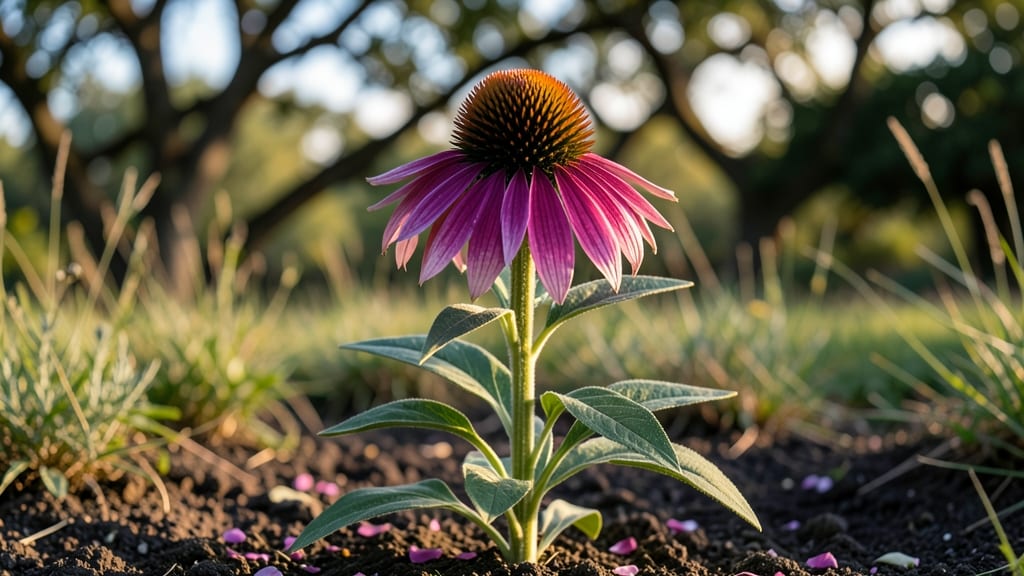
Coneflowers thrive during the coneflower bloom season in mid-to-late summer 🌼, but their rebound after frost depends on where you live—and knowing your zone can transform your garden from patchy to spectacular.
Picture this: you’ve just tucked in your frost-hardy coneflowers for winter, only to watch them disappear until—poof—they’re back with vibrant blooms. That timing isn’t random.
In Zone 6a, like where I garden, they typically rebound by early June, but in warmer Zones 8-10, they might start as early as April. The difference? Frost timing, soil warmth, and a little care.
Here’s the game-changer: a few simple adjustments—like deadheading spent blooms or mulching after the last frost—can stretch your coneflower season from July straight into September.
I’ll show you exactly how to time it, zone by zone, so you’re never left wondering why your garden looks like it’s playing hide-and-seek with color.
Ready to turn your late-spring garden into a summer-long showstopper? Let’s dive into the reblooming secrets that keep coneflowers thriving, no matter where you are.
Coneflower bloom season by USDA hardiness zone: when to expect reblooming
If you've ever watched your coneflowers (Echinacea) disappear after frost only to burst back with vibrant blooms weeks later, you're not alone. Their reblooming timing varies dramatically by USDA hardiness zone, and understanding these patterns helps you plan for a longer bloom season.
In colder zones, plants may lie dormant until late spring, while warmer regions see year-round growth with minimal dormancy.
Coneflowers are perennial powerhouses known for their drought tolerance and late-summer blooms, but their first flush of flowers often depends on when your zone's last frost occurs.
For example, Zone 3 gardeners might see buds emerge in late May, while Zone 10 growers enjoy near-continuous blooms with proper care. Let’s break down what to expect—and how to maximize reblooming—in each zone.
| USDA Zone | Primary Bloom Window | Reblooming Timing | Frost Impact | Care Adjustment |
|---|---|---|---|---|
| Zones 3-4 | Mid-July to early September | Late May–June (after last frost) | Severe dormancy; buds may freeze | Mulch heavily in fall; prune dead foliage in early spring |
| Zones 5-6 | Late June to October | Early May–June | Light frost damage; regrows quickly | Light fertilizer in spring; deadhead spent blooms |
| Zones 7-8 | June to November | March–April (early spring) | Minimal frost impact; blooms year-round | Prune lightly after first bloom; water deeply in summer |
| Zones 9-10 | April to December | Year-round with seasonal peaks | No frost; continuous growth | Deadhead regularly; use shade cloth in peak summer |
In Zones 3-4, coneflowers often experience severe dormancy during winter, with new growth appearing only after the last frost date.
This means your first blooms won’t arrive until mid-to-late summer, but with proper mulching (3-4 inches of straw or leaves), you can protect roots and encourage earlier reblooming. Prune back dead foliage in early spring to stimulate fresh growth.
Gardeners in Zones 5-6 enjoy a longer bloom season, with reblooming often starting as early as May. Here, late frosts can delay buds, but coneflowers are resilient.
Apply a light fertilizer (5-10-10) in early spring to boost foliage, and deadhead spent blooms to encourage more flowers. In these zones, second blooms often appear in late summer, extending your display into October.
For Zones 7-8, coneflowers are near-indestructible, with reblooming possible year-round if conditions are right. Early spring is prime time for new growth, and with consistent watering (1 inch per week), you’ll see continuous blooms from June to November.
Prune lightly after the first flush to promote bushier plants, and avoid over-fertilizing, which can weaken stems.
In Zones 9-10, frost is rare or nonexistent, meaning coneflowers bloom almost continuously. To maximize reblooming, focus on deadheading and providing shade during peak summer heat.
Use a shade cloth (30-50%) to prevent wilting, and water deeply 2-3 times per week. These zones are perfect for cutting gardens, as blooms last longer when harvested early.
Regardless of your zone, sunlight is non-negotiable. Coneflowers thrive in full sun (6+ hours daily), and partial shade can reduce blooming. If your garden is shady, choose dwarf varieties like 'White Swan', which tolerate morning sun.
For maximum reblooming, pair coneflowers with companion plants like black-eyed Susans or bee balm to attract pollinators and extend the season.
Pro tip: If your coneflowers skip reblooming, check for
How frost affects coneflower blooms: signs of damage and recovery timelines
When a late frost hits your coneflowers (Echinacea), it can feel like your garden's summer plans are on hold. The good news? These hardy perennials often bounce back stronger than ever.
Understanding the frost damage signs and their recovery timelines helps you adjust care and set realistic expectations for your bloom season.
Frost damage varies by severity—from leaf curling to stem browning—and recovery depends on your USDA hardiness zone. In colder zones (3-5), coneflowers may take 3-4 weeks to show new growth, while warmer zones (6-10) often see regrowth in 1-2 weeks.
Let’s break down what to watch for and how to help them recover.
⚠️ Late Frost Warning for Coneflower Blooms
If frost hits during bud formation (April-May), your coneflowers may skip blooming entirely that season. Delayed buds or blackened stems are red flags—act fast with these fixes:
- Prune damaged stems to 2-3 inches above ground to redirect energy to healthy growth.
- Apply 2-3 inches of mulch to insulate roots and retain moisture.
- Water deeply at soil level (not overhead) to prevent further stress.
Start by inspecting your coneflowers for leaf curl, a common early sign of frost damage. Leaves may appear brown or crispy at the edges but still cling to the plant. This is usually superficial damage, and new leaves will emerge within 10-14 days if the roots are unharmed.
For stem browning, check if the stem feels soft or mushy—this indicates deeper damage and may delay blooming by 4-6 weeks.
If frost hits delayed buds (those that haven’t opened yet), the buds may blacken or shrivel. Don’t panic! Coneflowers often produce a second flush of blooms later in the season.
To encourage this, remove any damaged buds and fertilize lightly with a balanced 5-10-10 mix once new growth appears. This gives your plants the nutrients they need to rebound.
Proactive care during late frosts can make all the difference. Mulching with straw or shredded leaves before the first frost creates a protective barrier. For watering strategies, focus on deep, infrequent watering rather than light surface watering.
Wet foliage can freeze and cause additional damage. If you’re in Zone 3-5, consider covering young plants with frost cloth on nights when temperatures dip below 25°F.
Recovery timelines vary by damage severity and zone. Mild frost damage (leaf curl only) typically results in full recovery by late May to early June.
Moderate damage (stem browning or delayed buds) may push blooming back by 2-4 weeks, but you’ll still see flowers by mid-to-late summer.
Severe damage (blackened stems or wilted foliage) might require partial pruning and extra care, but coneflowers are resilient and often surprise you with a second bloom cycle in fall.
Remember, patience is key. Coneflowers are built to endure, and with the right care, they’ll reward you with vibrant blooms from July through September. Next time frost threatens, you’ll be ready to protect your plants and set them up for a stunning coneflower bloom season.