
Blooming
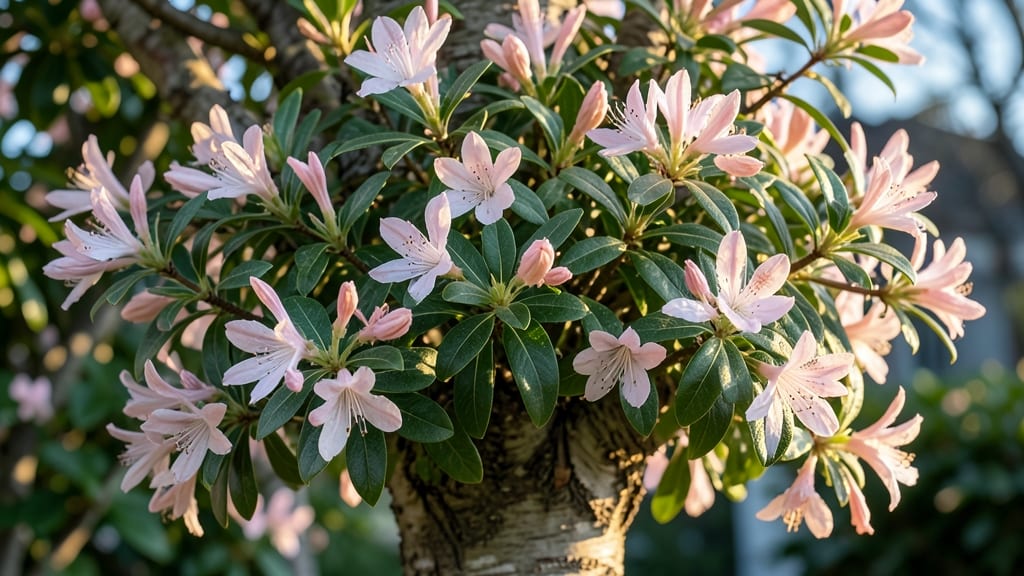
Spring gardens crave vibrant pink blooms that attract pollinators and brighten early-season landscapes. These 10 fragrant pink bushes deliver stunning color, low-maintenance growth, and long-lasting floral displays perfect for cottage gardens or modern landscapes.
Japanese Andromeda (Pieris japonica)
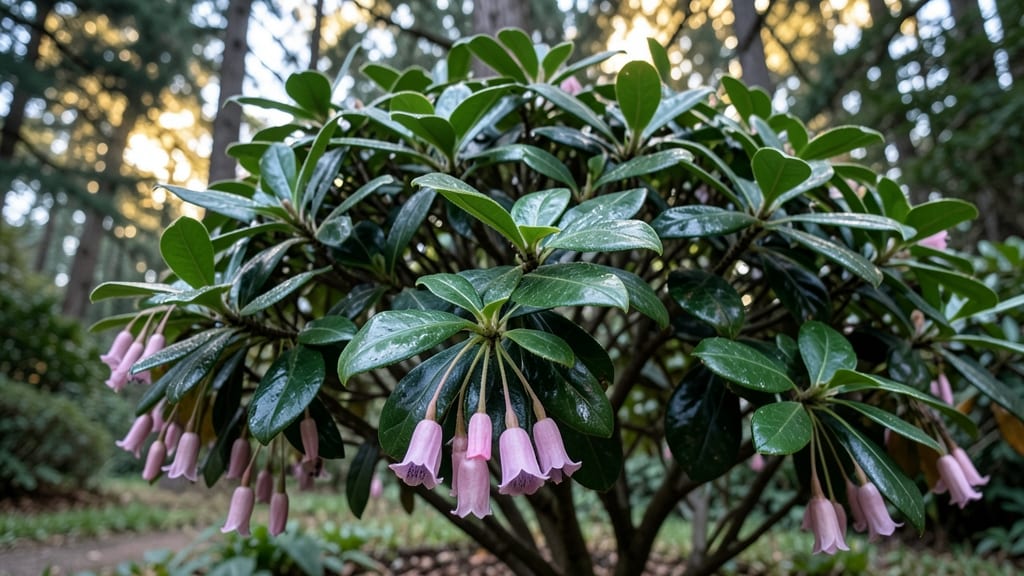
If your garden has shady corners that feel overlooked, Japanese Andromeda (Pieris japonica) is the unsung hero you’ve been waiting for. This evergreen shrub bursts into life in early spring with delicate, cascading pink bell-shaped flowers that dangle like nature’s chandeliers, while its glossy dark green leaves provide year-round interest.
Thriving in acidic soils and partial to full shade, this shrub is perfect for woodland gardens, foundation plantings, or even as a striking container specimen. Prune lightly after flowering to maintain its elegant, mounded shape, and enjoy its fragrant blooms that attract early pollinators. Varieties like 'Little Heath' stay compact (3-4 feet tall), making them ideal for smaller spaces.
For gardeners who love low-maintenance plants with seasonal drama, Japanese Andromeda delivers beauty without the fuss. Its ability to thrive where others falter makes it a must-have for shady spots. 🌿
Forsythia (Forsythia x intermedia)
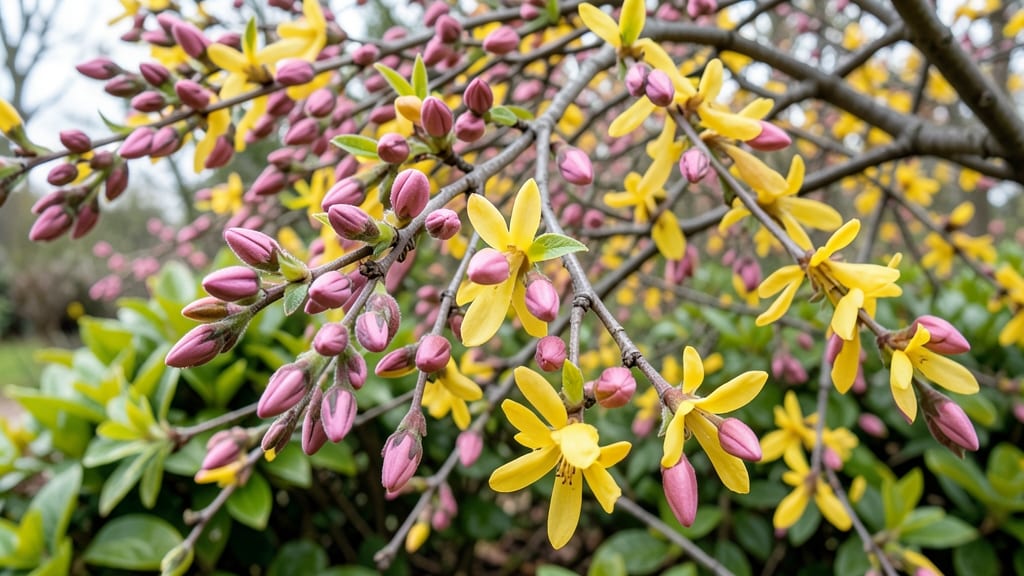
Looking for a dramatic early spring statement that outshines the competition? Forsythia (Forsythia x intermedia) delivers with its bold yellow-green foliage and showstopping clusters of bright pink buds that transform into golden yellow blooms—often the first flowers to appear in many gardens.
This deciduous shrub thrives in full sun to partial shade and adapts to almost any well-drained soil, making it ideal for urban gardens, mixed borders, or as a standalone focal point. Prune immediately after flowering to encourage bushier growth, and watch it rebound with vigor. Varieties like 'Lynwood Gold' reach 8-10 feet tall, while 'Beatrix Farrand' stays compact at 4-5 feet, perfect for smaller spaces.
Perfect for gardeners who want low-maintenance drama, forsythia’s cheerful blooms signal spring’s arrival and pair beautifully with early-blooming bulbs like daffodils. Its vibrant foliage ensures visual interest long after the flowers fade. ✨
Dwarf Lilac (Syringa meyeri)
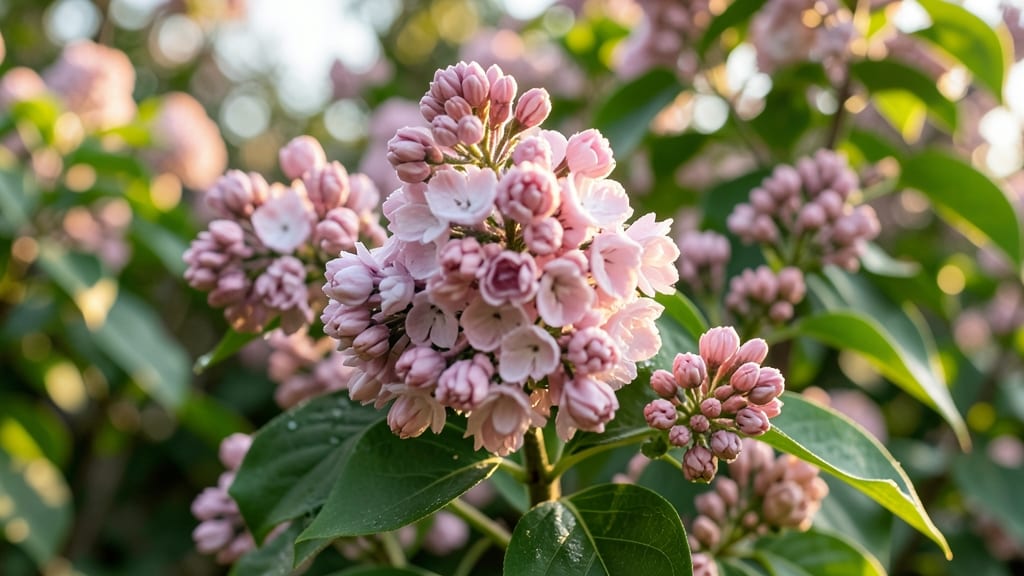
If you love the classic fragrance of lilacs but lack the space for their full-sized cousins, Dwarf Lilac (Syringa meyeri) is your perfect solution. This compact shrub produces dense clusters of soft pink flowers that bloom 2-3 weeks earlier than standard lilacs, often appearing in late April or early May—just when your garden craves color.
Growing just 3-5 feet tall and wide, it thrives in full sun to partial shade and adapts to most well-drained soils, making it ideal for small gardens, containers, or foundation plantings. Its early bloom time and compact size also make it a pollinator magnet before other spring flowers emerge. Prune lightly after flowering to maintain its neat shape, and enjoy its sweet fragrance that fills the air on warm spring days.
Urban gardeners and balcony planters will love how this dwarf variety brings classic lilac charm without the space requirements. It’s the perfect way to add fragrant pink blooms to any spring garden. 🌷
Azalea (Rhododendron spp.)
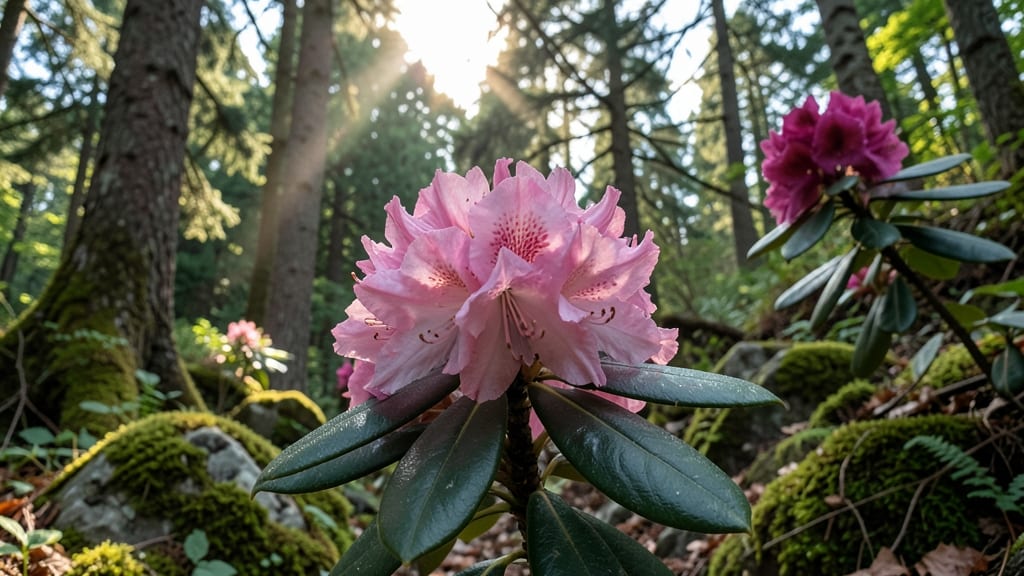
Want a woodland garden that bursts with color without needing full sun? Azaleas (Rhododendron spp.) are your answer—these showstopping pink bloomers thrive in shaded spots while demanding minimal fuss. With over 1,000 varieties, you can find everything from compact 3-foot shrubs for containers to towering 10-foot specimens for dramatic borders.
These acid-loving plants prefer well-draining, slightly acidic soil (pH 4.5-6.0) and partial shade, making them perfect for understory plantings or foundation beds. Water consistently during their first year to establish roots, then reduce frequency once established. For extended blooms, deadhead spent flowers and fertilize in early spring with an acid-loving plant formula. Varieties like 'Girard's Pink' or 'Hino Crimson' deliver reliable spring color with minimal care.
Ideal for gardeners seeking low-maintenance seasonal drama, azaleas also attract pollinators and create stunning backdrops for spring bulbs. Their glossy foliage adds texture year-round, making them a versatile choice for woodland gardens, city landscapes, or even large containers. 🌷
Weigela (Weigela florida)
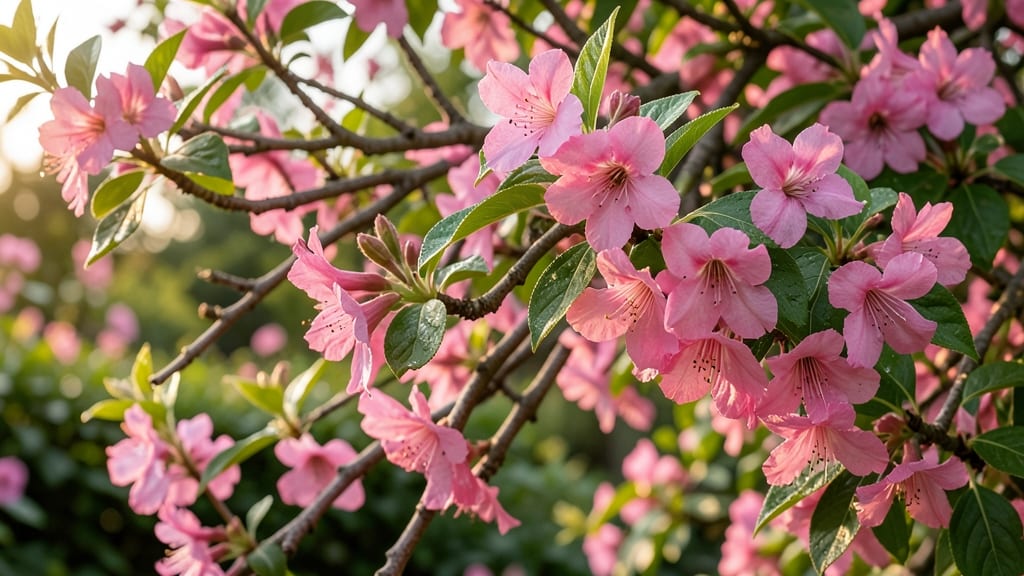
If you want a fast-growing shrub that packs a punch with trumpet-shaped pink flowers and hummingbird magnetism, Weigela (Weigela florida) is your secret weapon. This deciduous beauty grows 6-10 feet tall with an elegant, arching habit that creates natural movement in borders or hedges, while its vibrant blooms appear in late spring and sometimes repeat in fall.
Thriving in full sun to partial shade, Weigela adapts to most well-drained soils and tolerates urban conditions like pollution and compacted soil. Plant it where you'll enjoy its showy flowers up close—hummingbirds can't resist the nectar-rich blooms! Prune right after flowering to shape it or encourage more blooms, and watch it reward you with years of effortless color. The 'Wine and Roses' variety offers deep pink flowers with burgundy foliage for extra drama.
Perfect for gardeners who want low-maintenance impact, Weigela's adaptability and rapid growth make it ideal for quick privacy screens or mixed borders. Its ability to attract pollinators while thriving in average conditions makes it a standout performer. 🌻
Spirea (Spiraea japonica)
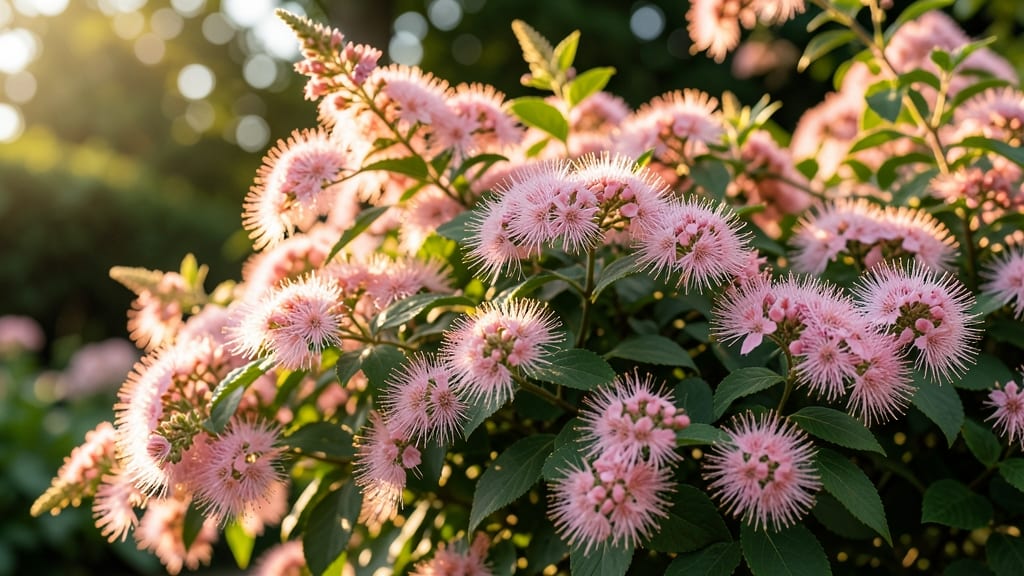
Want a pink bush that keeps giving long after spring fades? Spirea japonica delivers feathery pink blooms in waves from late spring through summer, making it the ultimate repeat performer for sunny spots. Unlike many spring bloomers that fade by June, this shrub rewards patience with fresh flowers every few weeks, often triggered by new growth.
Thriving in full sun and well-drained soil, Spirea adapts to everything from formal hedges to wild cottage gardens. Deadhead spent blooms to encourage more flowers, and prune lightly in late winter to shape its mounded habit. Varieties like 'Anthony Waterer' (deep pink) or 'Goldflame' (golden foliage) add texture contrast. Bonus: Its delicate blooms make excellent cut flowers that last 5-7 days in vases.
Perfect for beginner gardeners and cut-flower enthusiasts, Spirea combines effortless care with seasonal color. Plant it where you want year-round visual interest—it’s the unsung hero of summer blooms. 🌻
Deutzia (Deutzia gracilis)
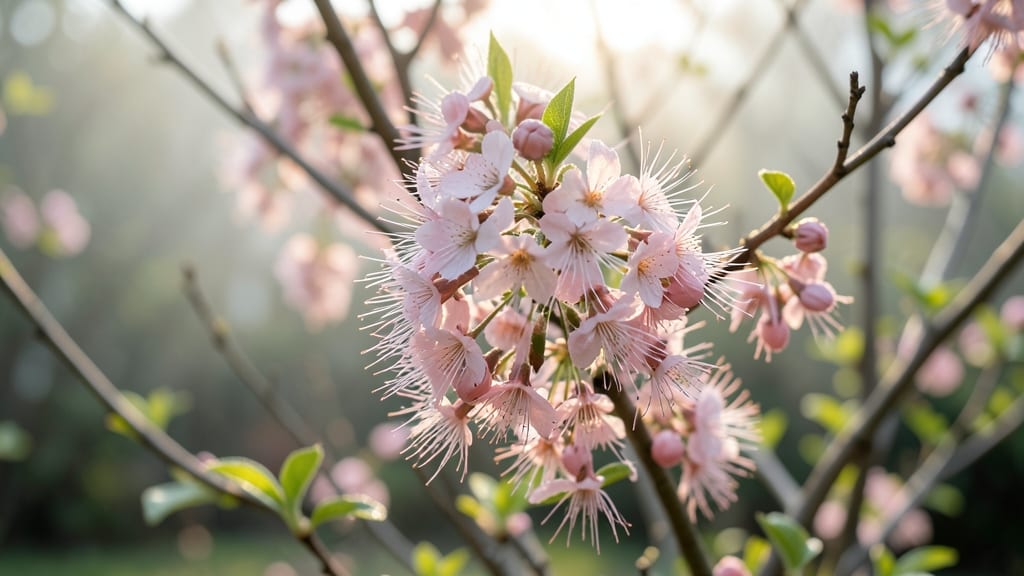
Want a spring bloomer that feels like a breath of fresh air before the leaves even appear? Deutzia gracilis delivers with its delicate pink clusters that burst open in early spring, often before the foliage emerges—creating a stunning, airy display that feels effortlessly elegant.
This deciduous shrub thrives in partial shade to full sun and adapts to most well-drained soils, making it versatile for borders, woodland edges, or even as a focal point in cottage gardens. Its arching branches create natural layers, while its blooms attract early pollinators like bees and butterflies, giving your garden a head start on seasonal activity. Prune lightly after flowering to maintain its graceful form, and enjoy its repeat blooms in late summer for added seasonal interest.
Perfect for gardeners who love light, airy textures and early-season color, deutzia adds a refined touch without demanding constant attention. It’s especially magical in moist, well-drained soils where it flourishes with minimal fuss. 🌻
Coralberry (Symphoricarpos orbiculatus)
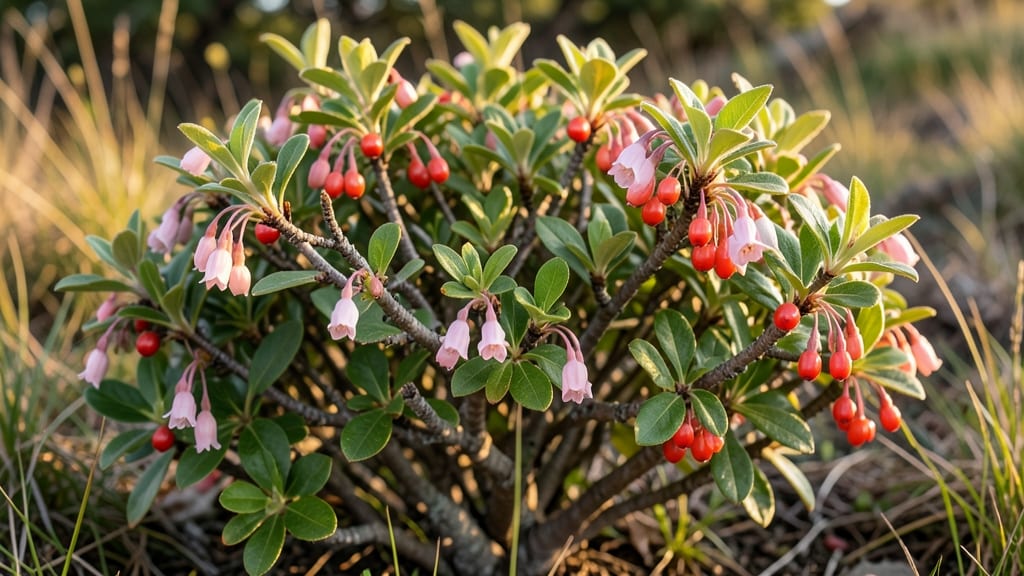
If you're dreaming of a low-maintenance native shrub that delivers two seasons of interest—pink spring blooms followed by eye-catching coral berries—Coralberry (Symphoricarpos orbiculatus) is your answer. Unlike fussy shrubs that demand perfect soil, this tough native thrives in poor, rocky, or sandy soils, making it ideal for challenging landscapes or wildlife-friendly gardens.
The delicate pink flower clusters appear in late spring, followed by clusters of bright coral berries that persist through fall and winter, providing food for birds and visual interest long after other shrubs have faded. It grows 3-6 feet tall and wide, adapting to full sun or partial shade, and spreads slowly via underground runners—perfect for naturalizing in woodland edges or as a backdrop for perennials. Prune lightly in late winter to shape and encourage bushier growth.
This shrub is a game-changer for wildlife gardeners and those with difficult growing conditions, offering beauty without the fuss. Its ability to thrive in drought-prone areas and poor soil makes it a standout for eco-conscious landscapes. 🌻
Mock Orange (Philadelphus coronarius)
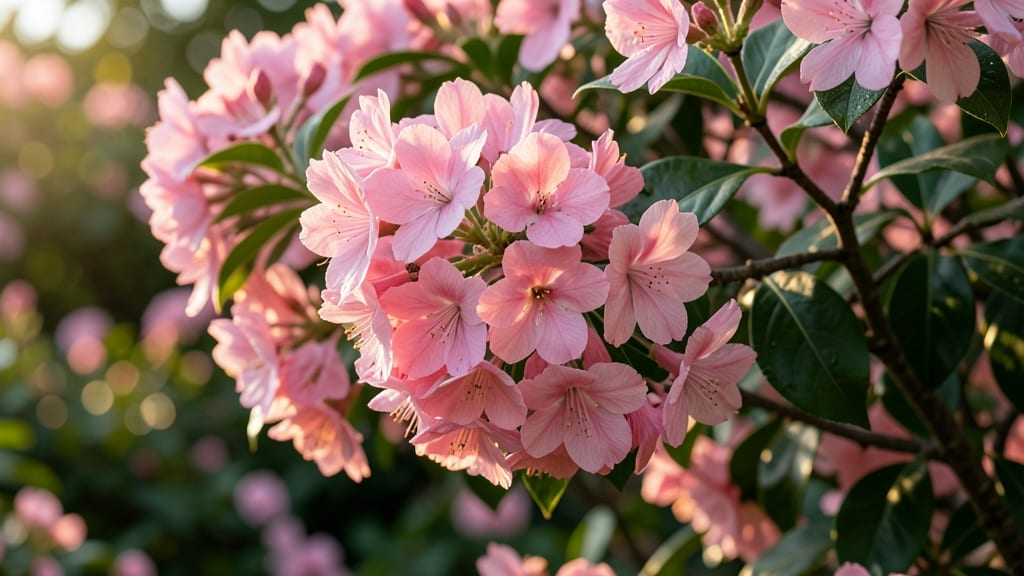
Craving a garden that smells as sweet as it looks? Mock Orange (Philadelphus coronarius) delivers with its intensely fragrant pink flowers that release a citrusy aroma reminiscent of fresh oranges—hence the name. Unlike true oranges, these blooms are stunningly pink and appear in late spring, creating a sensory experience that’s hard to beat.
This versatile shrub thrives in both full sun and partial shade, making it perfect for gardens with varying light conditions. Plant it near patios or walkways to enjoy its intoxicating scent up close, or use it as a fragrant hedge. Mock Orange prefers well-drained soil and benefits from occasional pruning after flowering to maintain its shape. Varieties like 'Aureus' offer golden foliage for added visual interest.
Perfect for gardeners who want low-maintenance fragrance, Mock Orange’s adaptability and stunning blooms make it a standout choice for perfuming any spring garden. Its ability to thrive in multiple light conditions ensures it fits seamlessly into almost any landscape. 🌷
Pink Abelia (Abelia x grandiflora)

Tired of spring blooms that fade too quickly? Pink Abelia (Abelia x grandiflora) bucks the trend with its continuous pink flowers from spring through fall, offering a rare season-long show that keeps your garden vibrant long after other shrubs have finished blooming. Its semi-evergreen foliage adds texture year-round, while its compact, mounded shape makes it perfect for hedges, borders, or even as a standalone specimen.
This adaptable shrub thrives in full sun to partial shade and tolerates a wide range of soils, including urban conditions with compacted soil. Prune lightly in late winter to shape it or encourage denser growth, and watch it reward you with fragrant, tubular blooms that attract butterflies and hummingbirds. Varieties like 'Francis Mason' reach 3-4 feet tall, while 'Kaleidoscope' offers variegated foliage for extra visual interest.
For gardeners who want low-maintenance color without seasonal gaps, Pink Abelia delivers effortless beauty with minimal fuss. Its ability to bloom continuously and adapt to various conditions makes it a standout choice for modern landscapes, mixed borders, or even container gardens. 💚