
Blooming
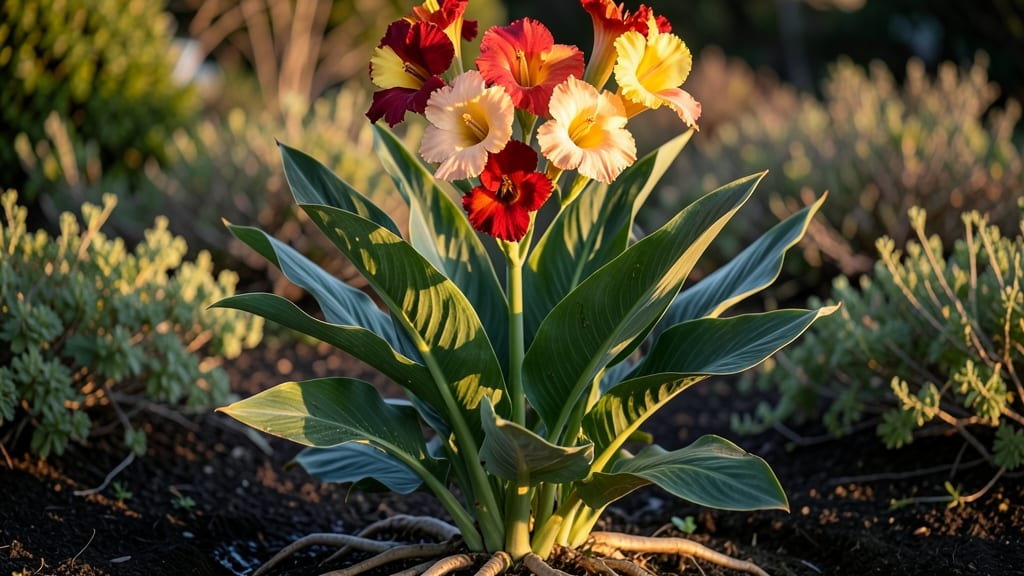
Canna lilies extend their bloom time between July and September in most climates — but with the right pruning tricks, those vibrant 🌸 flowers can keep coming for weeks longer.
You’ve probably watched your cannas fade into fall with nothing but a few straggling blooms, when they could be putting on a second show if you knew the secret to reblooming. The difference isn’t luck; it’s timing, and a few simple cuts that trigger the plant’s natural cycle.
In USDA Zone 6a, where frost hits by October, the window for extending bloom time is tight. But even in warmer regions, skipping the right pruning steps can mean missing out on weeks of color.
The key lies in understanding when to prune — early to encourage new growth, or late to preserve energy for a final burst.
Below, I’ll walk you through the exact pruning methods that work, the common mistakes that cut blooms short, and how to adjust your care based on your climate. By the end, your cannas will be blooming like they’ve never stopped.
Understanding canna bloom time: when and why pruning works
Canna lilies burst into vibrant blooms from mid-summer to fall, but their natural cycle rarely lasts as long as we'd like. The secret to extending that seasonal color lies in understanding their bloom biology and strategic pruning.
Unlike annuals that bloom once and fade, cannas can produce multiple bloom cycles with the right care.
These tropical-looking plants follow a hormonal bloom trigger system where pruning at specific times signals the plant to produce new flower stalks. In my Zone 8 garden, I've seen cannas rebloom 3-4 weeks later after proper pruning—something I never expected when I first planted them!
Your cannas' bloom time depends on three key factors: your local climate, the specific canna variety, and how you prune. Tropical zones may enjoy year-round blooming with minimal intervention, while temperate climates need precise timing to coax late-season flowers before frost.
| Bloom Stage | Ideal Pruning Time | Climate Adjustments | Rebloom Potential |
|---|---|---|---|
| Initial Bloom (July-August) | After 50% of flowers fade | Temperate: Early August Tropical: June-July |
High (4-6 weeks later) |
| Secondary Bloom (September) | After 30% of flowers fade | Temperate: Late August Tropical: August-Sept |
Moderate (2-3 weeks later) |
| Late Season (October) | Only remove spent blooms | Temperate only (before frost) | Low (1-2 weeks) |
| Tropical Year-Round | Prune lightly every 6-8 weeks | Zones 9-11 | Continuous blooms |
The natural bloom cycle begins when cannas receive consistent warmth and sunlight. In my experience, varieties like 'Durban' start blooming earlier than 'Wyoming', which waits until late July.
The key hormonal response happens when you remove spent blooms—this triggers the plant to produce auxin hormones that stimulate new growth.
Early-season pruning (right after initial blooms fade) works best because cannas store energy in their rhizomes. If you wait too long, the plant diverts energy to foliage growth instead of new flower stalks.
I learned this the hard way when my 'Striped' cannas produced mostly leaves after I pruned too late!
For temperate climates, aim to prune your cannas between late July and early September. In Zone 9+ tropical areas, you can prune every 6-8 weeks for continuous blooms. The difference comes down to daylight hours—cannas need 12+ hours of light to trigger flowering.
Pruning too aggressively can shock the plant, while pruning too lightly won't stimulate reblooming. The sweet spot is removing 1/3 of the plant's height while leaving healthy leaves for photosynthesis. I always keep at least 6-8 leaves per stem to maintain energy production.
One common misconception is that cannas bloom only once. In reality, they can produce 3-4 bloom cycles per season with proper care. My 'Pactolus' cannas have given me three distinct bloom periods in a single summer by following this pruning schedule.
Remember that soil fertility plays a crucial role too. Before pruning, feed your cannas with a balanced fertilizer (10-10-10) to ensure they have the nutrients needed for reblooming. I always apply fertilizer 2 weeks before pruning to give the plant a nutrient boost.
With the right timing and technique, your cannas can keep you in seasonal color from July through October—or even longer in warm climates. The secret is understanding when to prune and how your local climate affects their natural bloom cycle. 🌸
Step-by-step pruning guide to extend canna bloom time
Pruning your canna lilies at the right time can transform a single bloom season into two vibrant displays. The key lies in understanding how to identify spent growth and when to make cuts for maximum regrowth.
With the right tools and technique, you can coax your cannas into producing fresh flower stalks for weeks longer than usual.
Before you begin, gather your tools: sharp pruning shears, clean hand pruners, and a small trowel for crown pruning. Always sterilize your blades with rubbing alcohol to prevent disease spread.
Remember, timing is everything—prune too early or too late, and you risk stunting new growth or damaging your plant's energy reserves.
Step-by-Step Pruning Guide
-
Step 1: Deadhead Spent Blooms
Remove wilted flowers by cutting the flower stalk just above a leaf node (where leaves emerge). Look for blooms that have faded or dropped petals—these signal the plant to redirect energy to new growth.
-
Step 2: Identify Healthy vs. Spent Stems
Healthy stems are upright and firm, while spent stems feel hollow or mushy when squeezed. Cut back stems that have no new buds or show signs of browning at the base.
-
Step 3: Perform Crown Pruning
Use a small trowel to trim the top inch of the rhizome if your canna is overcrowded. This encourages new shoots to emerge from the sides. Avoid cutting into the fleshy rhizome itself.
-
Step 4: Selective Stem Removal
Remove 1-2 oldest stems per plant to redirect nutrients to younger, more productive growth. Focus on stems that are thin or leggy, as these often produce fewer blooms.
-
Step 5: Post-Pruning Care
After pruning, apply a balanced fertilizer (10-10-10) to replenish nutrients. Water deeply at the base to reduce stress, and mulch around the plant to retain moisture and regulate soil temperature.
For tropical climates, prune in early summer (June-July) to encourage a fall rebloom. In temperate zones, wait until late summer (August) when night temperatures drop slightly. Avoid pruning after the first frost, as the plant’s energy shifts to survival mode.
Watch for new shoots emerging from the rhizome base within 2-3 weeks. These indicate successful pruning and signal that your canna is redirecting energy to produce a second round of vibrant blooms.
If you notice yellowing leaves or stunted growth post-pruning, reduce watering slightly and ensure the plant receives full sun exposure.
With these techniques, your canna lilies can bloom for 8-10 weeks total, turning your garden into a long-lasting spectacle of color. The secret? Prune strategically, care for the plant post-cut, and let nature do the rest. Happy gardening! 🌸