
Blooming
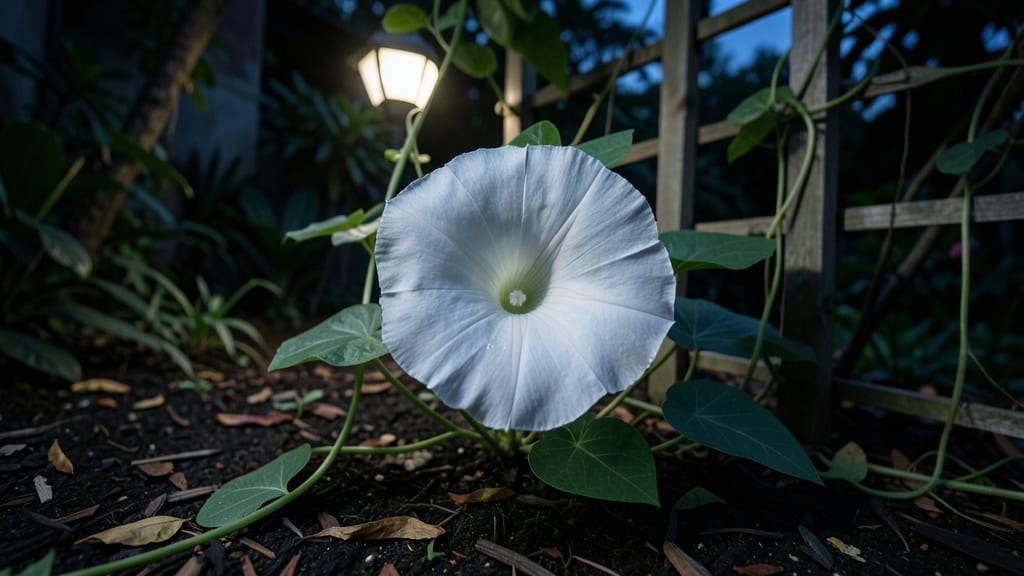
Moonlight-blooming flowers turn your garden into a magical nighttime sanctuary. 🌙 These ethereal beauties—like moonflower and night-blooming jasmine—open their petals after dark, filling the air with intoxicating fragrance and soft luminescence. I’ve designed gardens where the evening comes alive with their glow, and the effect is nothing short of enchanting.
The secret lies in their natural rhythms: these flowers attract nocturnal pollinators like moths and bats, creating a thriving ecosystem after sundown. Pair them with silvery foliage plants (like lamb’s ear) to amplify their glow, and add fragrant herbs like lavender or lemon balm nearby to deepen the sensory experience.
Your garden will feel like a secret hideaway, alive with movement and scent when the sun goes down. You’ll love how they transform evenings into special occasions—think candlelit dinners on the patio or twilight strolls through a garden that sparkles under the stars.
These plants thrive in well-draining soil and partial shade, making them surprisingly low-maintenance for their dramatic impact. Perfect for anyone who wants a garden that works as hard after dark as it does during the day.
Whether you’re creating a romantic focal point or simply want to extend your gardening enjoyment into the night, these flowers deliver. Just be sure to plant them where you can fully appreciate their nocturnal magic—like near seating areas or along pathways illuminated by solar lights.
📚 In This Guide
- What you need
- Instructions
- Tips and common mistakes
- Wrapping up and next steps
What you need
- ● Moonlight-loving flower seeds or bulbs: Night-blooming Moonflower (Ipomoea alba) seeds (10–20 seeds)
- ● Evening Primrose (Oenothera biennis) seeds (50–100 seeds)
- ● Queen of the Night (Selenicereus grandiflorus) bulbs (2–4 bulbs)
- ● Night-blooming Jasmine (Jasminum sambac) cuttings or small plants (3–5)
- ● Well-draining potting soil: 5–10 gallons (mix with perlite or sand for aeration)
- ● Containers or garden beds: Large pots (12–18 inches deep, 2–3 per plant)
- ● OR a dedicated garden bed (6x6 feet minimum for clusters)
- ● Slow-release fertilizer: 10–20 lbs (balanced 10-10-10 or phosphorus-rich for blooms)
- ● Garden trowel or hand shovel
- ● Pruning shears (sterilized)
- ● Watering can or hose with a gentle spray nozzle
- ○ Gloves (optional but recommended)
- ○ Optional but magical: Moonlight reflector (aluminum foil or reflective fabric for extra glow)
- ● String lights or solar-powered garden lights (for ambiance)
- ● pH testing kit (to ensure soil is slightly acidic, pH 6.0–7.0)
- ● Full or partial sunlight during the day (6+ hours for most varieties)
- ● Warm climate or a greenhouse (most moonlight bloomers thrive in USDA Zones 8–11)
- ● Patience! Some flowers (like the Queen of the Night) bloom only once a year—often on a single night.
How to create a moonlit garden with nocturnal-blooming flowers
Transform your garden into a twilight sanctuary with these easy steps for selecting and arranging flowers that shine after dark.
🌿 Step 1: Choose the Right Nocturnal-Blooming Species
Start with flowers naturally adapted to nighttime beauty. My top picks include evening primrose (soft yellow blooms), moonflower (creamy white trumpet shapes), queen of the night (sweetly fragrant white flowers), and night-blooming jasmine (intense fragrance after sunset). These varieties open their petals as daylight fades and often close by morning.
Check your local climate zone—some species like moonflower thrive in warm regions, while evening primrose handles cooler nights. I always plant a mix of heights and textures to create visual layers. For example, place taller moonflowers at the back, medium-height evening primrose in the middle, and low-growing night-blooming jasmine at the front edges.
☀️ Step 2: Position for Maximum Moonlight Exposure
Place your nocturnal bloomers where they’ll catch reflected moonlight—this means positioning them near light-colored surfaces (like white gravel paths or pale stone walls) that reflect lunar light back onto the flowers. I like to arrange them in semi-shaded spots during the day to protect delicate petals from harsh afternoon sun while still getting enough light for photosynthesis.
For best results, face your garden toward the south or southeast if you're in the Northern Hemisphere. This orientation ensures moonlight hits the flowers at their peak blooming time, usually between 10 PM and 2 AM. You'll notice the flowers appear almost luminescent under a full moon—this is your cue that the placement is working.
💧 Step 3: Adjust Watering for Nighttime Bloomers
Nocturnal flowers often need even moisture to support their energy-intensive nighttime blooming cycles. Water deeply once a week (or more in hot climates) to encourage strong root development, but avoid late evening watering—wet foliage overnight invites fungal diseases. I water mine in the early morning so the plants have all day to dry out.
Watch for wilting during the day—this is a sign they need more water. However, soggy soil will rot roots, so always check that the top 2 inches of soil feel dry before watering again. Mulch with 2-3 inches of organic material (like shredded bark) to help retain moisture and regulate soil temperature.
✂️ Step 4: Prune and Maintain for Continuous Blooms
Deadhead spent blooms every 2-3 days to encourage new flowers. With nocturnal species, you'll often find wilted blossoms in the morning—simply pinch or cut them off at the base. I use clean, sharp scissors to avoid damaging stems. For climbing varieties like moonflower, gently tie vines to trellises as they grow to keep them off the ground and improve air circulation.
Fertilize lightly with a balanced, slow-release fertilizer (like 10-10-10) in early spring and again after the first flush of blooms. Too much nitrogen will produce lush foliage but fewer flowers. I also add a handful of compost to the soil annually to boost natural nutrients without risking overfeeding.
🌱 Step 5: Enhance with Reflective and Fragrant Accents
To amplify the moonlit effect, add glowing elements like solar-powered path lights or white pebbles that reflect moonlight. I place small glass lanterns near clusters of night-blooming jasmine—their soft glow mimics moonlight and extends the visual magic. For fragrance, interplant with night-scented stocks or evening-scented stocks to create a sensory experience.
Test your setup on a full moon night—you'll be amazed how the combination of reflective surfaces, fragrant blooms, and strategic lighting transforms your garden into a magical nocturnal retreat. This is the moment you'll know your hard work paid off.
Tips & tricks for perfect moonlit garden blooms
A few simple secrets that'll make your nocturnal garden glow brighter than ever under the moonlight.
Climate Zone Intelligence: I learned this the hard way after struggling with moonflowers in cooler zones—always double-check your local climate zone before planting. Moonflowers need warm nights (above 70°F) to fully open, while evening primrose thrives in cooler climates. For transitional zones, consider planting both species in separate microclimates within your garden. This layering creates continuous nighttime beauty from spring through fall.
Moonlight Placement Pro Tip: The south or southeast orientation mentioned in Step 2 is crucial, but don't overlook the importance of surrounding surfaces. White gravel paths or pale stone walls act as natural reflectors—place your flowers about 3-4 feet away from these surfaces to maximize the luminous effect. I've found that positioning plants in a slight arc facing these reflective surfaces creates a stunning "moonlight halo" effect during full moons.
Watering Wisdom: That once-a-week watering guideline works perfectly, but here's what nobody tells you—water in the early morning for a reason. The morning sun helps evaporate excess moisture from foliage, preventing fungal issues that thrive in damp nighttime conditions. I've noticed my night-blooming jasmine stays healthier when watered this way, with fewer signs of powdery mildew that can dull those beautiful white blooms.
Pruning Precision: When deadheading those spent blooms every 2-3 days, use a clean pair of scissors and make your cuts just above a leaf node. This encourages new growth from the base rather than the stem tip. For climbing varieties like moonflower, I've found that tying vines to trellises at the first true leaves (not the seed leaves) gives them the best support for their nighttime blooming cycles. This small detail makes a big difference in how vigorously they grow.
Pro Tips for Flowers That Bloom In Moonlight
- A few simple secrets that'll make your nocturnal garden glow brighter than ever under the moonlight.
- Climate Zone Intelligence: I learned this the hard way after struggling with moonflowers in cooler zones—always double-check your local climate zone before planting.
- Moonlight Placement Pro Tip: The south or southeast orientation mentioned in Step 2 is crucial, but don't overlook the importance of surrounding surfaces.
Frequently asked questions
Got questions about moonlit blooms? You’re not alone! Here are some of the most common queries about flowers that glow under the moonlight—and how to make them shine in your garden.
Do these flowers actually glow in the dark?
Not all of them emit visible light like fireflies, but many—such as Moonflower (Ipomoea alba), Evening Primrose (Oenothera spp.), and Queen of the Night (Selenicereus grandiflorus)—have pale, reflective petals that appear luminous under artificial or moonlight. Their secret? Highly reflective surfaces and white/light-colored blooms that bounce back ambient light. For a true "glow," pair them with solar-powered garden lights for extra magic!
When is the best time to plant these flowers for nighttime blooms?
Timing depends on the flower, but most moonlit bloomers thrive when planted in early spring (after the last frost) or late summer. For annuals like Moonflower, sow seeds 4–6 weeks before your last frost date—they germinate quickly and grow fast. Perennials (e.g., Evening Primrose) can be planted in spring or fall, but avoid late fall in cold climates. Pro tip: Check your USDA hardiness zone to match the flower’s needs!
Can I grow these flowers in containers or small spaces?
Many moonlight-loving flowers—like Night Phlox (Zauschneria spp.) and Angel’s Trumpet (Brugmansia spp.)—thrive in pots as long as they get 6+ hours of sunlight daily and well-draining soil. Use 10–12" deep containers for vining types (e.g., Moonflower) and hanging baskets for trailing varieties. Just ensure containers have drainage holes to prevent root rot—moonlight blooms hate soggy feet!
What if my flowers aren’t blooming at night—what’s wrong?
Several factors could be at play:
- Lack of light: Some flowers (like Queen of the Night) need full darkness to trigger blooming. Avoid bright porch lights near them!
- Over-fertilizing: Too much nitrogen = lush leaves, but fewer flowers. Use a low-nitrogen, high-phosphorus fertilizer instead.
- Wrong soil: Sandy or clay-heavy soil can stress plants. Amend with compost for better drainage and nutrients.
- Pests/insects: Aphids or spider mites can stunt growth. Spray with neem oil or introduce ladybugs for natural pest control.
Still stumped? Try transplanting to a sunnier spot or hand-pollinating flowers with a soft brush to encourage blooming.
Are there any non-toxic alternatives for pet-friendly gardens?
If you have furry friends, skip Angel’s Trumpet or Datura (toxic to pets). Instead, opt for:
- Evening Primrose – Safe and fragrant!
- Night-Scented Stock (Matthiola longipetala) – Non-toxic and sweetly perfumed.
- Moonflower (Ipomoea alba) – Pet-friendly and stunning.
Always research before planting—some flowers (like Lily of the Valley) are toxic even if they’re not on the "moonlight" list.
Wrapping up and next steps
Discovering flowers that magically bloom under moonlight transforms your garden into a dreamy, luminous escape—perfect for late-night stargazing or romantic evenings. 🌙 From fragrant night-blooming jasmine to striking moonflowers, these nocturnal beauties add enchantment and practicality to any space.
Whether you're a seasoned gardener or just starting, these plants prove that even the darkest nights can sparkle.
Ready to bring the magic home? Start small—plant a single moonflower in a pot or dedicate a corner of your garden to these luminous blooms. Your next step? Research local climates, soil needs, and companion plants to create a thriving after-hours paradise. Happy gardening!