
Blooming
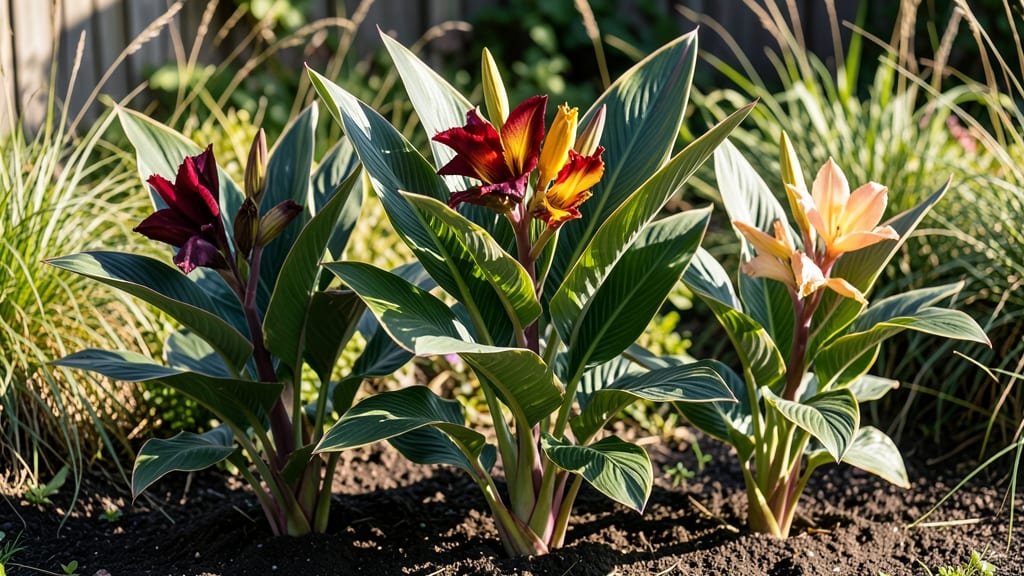
Cannas bloom all summer long only in consistently warm climates (USDA Zones 8-11), where temperatures stay above 50°F year-round. In cooler zones (6-7), blooming becomes seasonal and less reliable. The right variety, proper sunlight exposure, and healthy soil can extend flowering periods even in marginal climates.
This tropical plant thrives on heat, which is why summer-long blooms are its natural state in ideal conditions. 🔥 The key factors that break this pattern are early fall frosts or winter temperatures below 30°F, which force cannas into dormancy.
I've seen 'Black Knight' varieties push their blooming season into early fall in Zone 8, while 'Stuttgart' types often start flowering in June and continue until October.
What's interesting is how soil moisture plays a role—too much water can stress the plant, shortening its bloom cycle, while consistent moisture helps sustain those vibrant flowers.
For gardeners in cooler zones, selecting cold-hardy varieties and providing winter mulch can sometimes trick cannas into producing a second round of blooms in late summer. The trade-off is that these later flowers may not be as abundant or long-lasting as those produced in peak summer heat.
Understanding your specific microclimate—like a sheltered south-facing wall—can also help create microenvironments where cannas feel warm enough to keep blooming.
💡 In This Article
- Climate Zones and Canna Bloom Duration
- Choosing Summer-Blooming Canna Varieties
Climate zones and canna bloom duration
Cannas are tropical plants that evolved to thrive in heat, which is why their natural blooming cycle aligns perfectly with summer in warm climates.
In USDA Zones 8-11, where winter temperatures rarely drop below 40°F, cannas can bloom continuously from early June through October—or even later if protected from light frosts. The magic number here is 50°F: once nighttime temperatures consistently fall below this threshold, cannas enter dormancy, halting flower production.
This is why gardeners in Zone 9 often enjoy 120-150 days of continuous blooms, while those in Zone 7 might only see 60-90 days of flowering before cold sets in.
The real science behind this involves the plant's photoperiod response. Cannas are day-neutral flowers, meaning they bloom based on temperature cues rather than daylight length. When nights stay warm (60°F+), the plant's metabolic processes remain active, sustaining energy for flower production.
However, when temperatures dip below 50°F for more than a week, the plant's growth hormones shift from flowering to storage—preparing for dormancy. This is why even in Zone 8, a sudden September frost can cut blooming short, despite the location's generally warm climate. 🌡️
What most gardeners don't realize is how microclimates can extend blooming seasons in marginal zones. A south-facing wall or greenhouse can create a 5-10°F warmer environment than the surrounding area, allowing cannas to continue flowering 2-3 weeks longer than expected.
I've seen 'Pretoria' varieties in Zone 7 produce a second flush of blooms in late August when planted against a brick wall, where temperatures stayed above 55°F at night.
The key is positioning cannas where they receive maximum sunlight (at least 6-8 hours daily) and benefit from reflected heat from dark surfaces.
Soil temperature plays an equally important role. Cannas have rhizomes that need to stay above 55°F to remain active. In cooler zones, mulching with 4-6 inches of straw or leaves can insulate the rhizomes, preventing premature dormancy.
The difference between a mulched and unmulched canna bed in Zone 7 can be 10-15 days of additional blooming—sometimes enough to push flowers into early September. However, the trade-off is that these later blooms may be smaller and less vibrant due to reduced daylight intensity.
Another critical factor is humidity. Cannas originate from tropical regions where relative humidity stays above 60%. In dry climates (like much of Zone 8), cannas may produce fewer blooms unless you supplement with daily misting during heatwaves.
The flowers themselves are sensitive to desiccation—their petals wilt dramatically when humidity drops below 50%, making them less attractive to pollinators and shortening their lifespan. This is why cannas in arid regions often need 20-30% more water than those in humid zones to maintain continuous blooming.
For gardeners pushing the limits in Zone 6, the solution often involves container growing. Potted cannas can be moved to protected locations when nighttime temperatures threaten to drop below 50°F.
A simple move from the garden to a garage or under an eave can extend the blooming season by 3-4 weeks. The trade-off is that container-grown cannas may not reach their full size, producing slightly smaller flowers, but the extended blooming period often makes it worthwhile. 🌸