
Blooming
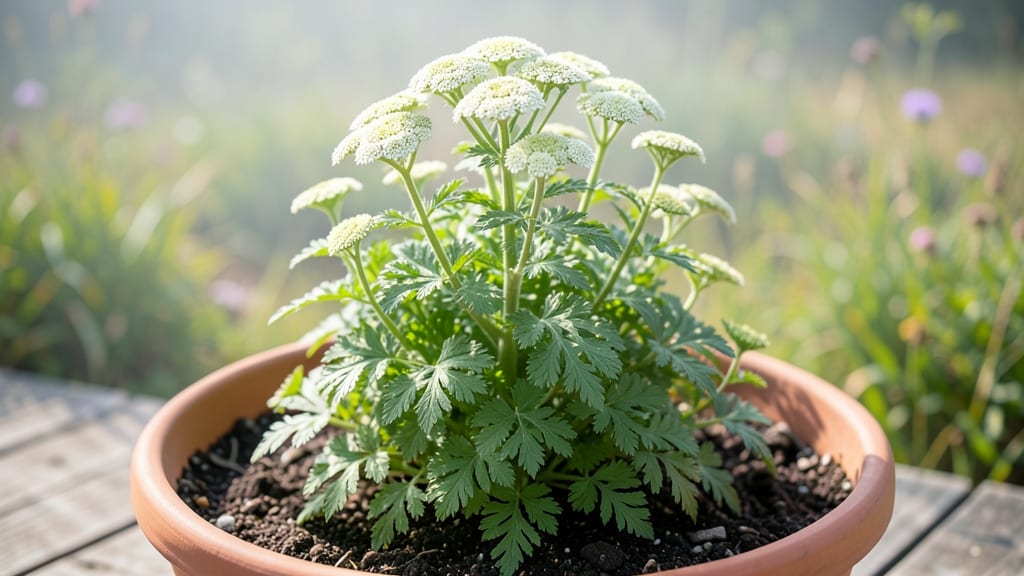
Yarrow's second bloom arrives when summer heat turns lazy—that unexpected late-season show is what keeps gardeners reaching for their shears. 🌻 I've watched mine push through the dog days, turning my July garden from "meh" to "wow" with flat-topped clusters that hum with pollinators.
The trick lies in timing: prune back after the first flush, and you'll trigger a heat-responsive rebloom that stretches from mid-July through frost. Too much shade or rich soil? Yarrow bolts early. Too dry? Flowers shrink.
But nail the balance, and you get 6-8 weeks of continuous color—no deadheading required. This is the plant that thrives where others fail: full sun, poor soil, and drought once established. Pair it with catmint or Russian sage for a purple-and-yellow dream team that blooms until November in mild zones.
For cooler climates, start pruning in early June—the rebloom will still arrive, just a few weeks later. The key is watching your plants, not the calendar.
📚 In This Guide
- What you need
- Instructions
- Tips and common mistakes
- Wrapping up and next steps
What you need
- ● Yarrow plants (Achillea spp.) – Choose heat-tolerant varieties like ‘Moonshine,’ ‘Cloth of Gold,’ or ‘Summer Pastels’ for reblooming success.
- ● Well-draining soil mix – 60% native soil + 30% compost + 10% perlite or coarse sand (critical for zones 5–9).
- ● Balanced fertilizer (10-10-10 or 5-10-5) – 1 tbsp per plant at spring planting and again after first bloom.
- ● Pruning shears – Bypass-style (sharp, clean cuts) for deadheading and shaping.
- ● Drip irrigation system or watering can – 1–1.5 inches of water per week (adjust for zones 3–4: more in summer).
- ● Mulch (straw or shredded bark) – 2–3 inches thick to retain moisture and regulate soil temp.
- ● Slow-release fertilizer granules – Sprinkle around plants in early summer for extended nutrients.
- ● Epsom salt (magnesium sulfate) – 1 tbsp dissolved in 1 gallon of water (monthly spray for lush foliage).
- ● Shade cloth (30–50%) – Use in zones 9–11 to protect from intense afternoon sun during peak bloom.
- ● Compost tea – Weekly foliar spray to boost microbial activity and rebloom vigor.
- ● Garden journal – Track bloom cycles, pruning dates, and weather notes for next season’s success!
How to extend yarrow's heat-responsive rebloom cycle
Here's how I've learned to coax multiple bloom cycles from yarrow each season.
🌱 Step 1: Understand Your Zone's Heat Trigger
Yarrow's rebloom depends on heat accumulation, not just days. In zones 3-5, look for 60°F+ soil temperatures for 2-3 weeks to trigger the first flush. I check soil temps with a simple thermometer—55°F is too cool for reliable blooms. In zones 6-9, the heat threshold is higher (70°F+), so wait until late spring when nights stay above 50°F.
This explains why your zone 5 yarrow might bloom early but zone 7 plants wait until July. The key is recognizing when your local heat threshold is consistently met—not just calendar dates. I mark my garden calendar with the first 5 consecutive days above 65°F as my rebloom prediction date.
☀️ Step 2: Time Deadheading for Maximum Heat Response
Remove spent blooms immediately after they fade—never let them form seed heads. I use sharp pruners to cut back to the first set of healthy leaves below the bloom. This redirects energy into new growth instead of seed production. For zones 3-5, I do this in early July; for zones 6-9, wait until August.
Watch for new growth emerging from the base within 7-10 days of deadheading. The younger leaves will be more tender and vibrant—this is your signal the plant is responding to the heat. If you see no new growth after 2 weeks, your climate may not have enough accumulated heat yet.
💧 Step 3: Adjust Watering for Heat Stress Prevention
Yarrow thrives on neglect but needs consistent moisture during heatwaves. In zones 3-5, water deeply once every 10-14 days when soil feels dry 2 inches down. In zones 6-9, increase to weekly watering during 90°F+ stretches. I use a moisture meter to verify—below 40% is too dry for reliable reblooming.
Mulch with 2-3 inches of straw after deadheading to retain moisture and moderate soil temps. The mulch should look slightly damp at the surface but not soggy. Overwatering now triggers fungal issues that kill stems before they rebloom.
⏰ Step 4: Plan for Late-Season Heat Waves
For a third bloom cycle, watch for late summer heat spikes (typically August-September). In zones 3-5, these often trigger one last flush before frost. In zones 6-9, you might get two more cycles if temps stay above 75°F for 3-4 weeks.
I mark my garden with colored flags when I see new flower buds forming—this helps me remember which plants need protection. If frost threatens before buds open, cover plants with frost cloth for 2-3 nights to extend the bloom window.
✂️ Step 5: Winter Prep for Next Year's Blooms
After the final bloom, cut back stems to 3-4 inches tall in zones 3-5 and 6-8 inches in zones 6-9. This prevents disease buildup in old stems while preserving the root system. I leave the lower leaves intact—they provide winter protection for the crown.
In zones 3-4, add 4-6 inches of mulch to insulate roots. In warmer zones, a 2-inch layer suffices. The mulch should look dry but not crumbly—this indicates proper moisture retention without suffocating the plant.
Tips & tricks for perfect yarrow reblooming
These little-known tricks will help you maximize your yarrow's heat-responsive blooms all season long.
Heat Accumulation Tracking: Use a simple soil thermometer to verify those 60°F+ and 70°F+ thresholds—don't guess! I check temperatures at both morning and evening in zones 3-5. In warmer zones, morning soil temps can drop below the 50°F nighttime threshold even when afternoons hit 75°F+. The key is consistent heat accumulation, not just peak temperatures.
Deadheading Timing Secret: In Step 2, when you remove spent blooms, look for the first set of healthy leaves below the bloom—this is your cutting guide. I've found that cutting too close to the base can shock the plant, while leaving too much stem wastes energy. For zones 6-9, I wait until August because the 75°F+ heat waves in late summer create perfect conditions for that second flush.
Watering Precision: That 2-inch dry check in Step 3 is crucial—stick your finger in the soil. If it feels dry at that depth, it's time to water. I've ruined blooms by overwatering during heatwaves, so I always check the moisture meter reading first. The below 40% moisture threshold is your warning sign that the plant needs hydration before stress sets in.
Late-Season Protection: When you see those colored flags marking new buds in Step 4, be prepared to act fast. I keep frost cloth ready in zones 3-5, as even a light frost can damage delicate buds. In zones 6-9, I've extended bloom windows by 2-3 nights of protection during unexpected early frosts—sometimes that's all it takes to save a whole cycle of blooms.
Pro Tips for Yarrow Bloom Season
- These little-known tricks will help you maximize your yarrow's heat-responsive blooms all season long.
- Heat Accumulation Tracking: Use a simple soil thermometer to verify those 60°F+ and 70°F+ thresholds—don't guess!
- Deadheading Timing Secret: In Step 2, when you remove spent blooms, look for the first set of healthy leaves below the bloom—this is your cutting guide.
Frequently asked questions
about yarrow bloom season—because every gardener deserves clarity! Here are answers to the most common questions to help you master this resilient plant’s flowering cycle.When is the best time to plant yarrow for optimal blooms?
Plant yarrow in early spring or fall for the best results. This gives roots time to establish before summer heat. If transplanting in summer, water deeply and provide shade until it adjusts. Yarrow thrives in USDA Zones 3–9, so timing depends on your local frost dates.
Why does yarrow stop blooming mid-season?
Yarrow often takes a summer break due to heat stress—especially in zones with intense sun. Deadhead spent blooms to encourage reblooming, and trim back foliage by 25–30% to promote new growth. In hot climates, mulch to retain moisture and prevent wilting.
Can I force yarrow to rebloom after the first flush?
Yes! Cut back stems by half after the first bloom, and fertilize lightly with a balanced 10-10-10 mix. Yarrow responds well to pruning—just avoid heavy cuts in late summer, as it needs time to harden off before winter. Pro tip: Pinch back new growth in spring to bush it up!
What’s the best way to extend yarrow’s bloom season?
Combine deadheading, pruning, and consistent watering (1 inch/week). For longer color, interplant with heat-tolerant companions like lamb’s ear or black-eyed Susan. In cooler zones (3–5), yarrow may bloom sporadically into fall—harness those late-season pops!
Is yarrow invasive in my garden? How do I control it?
Yarrow spreads via rhizomes, so it can naturalize aggressively in ideal conditions. To manage it, cut back stems before seed heads form and divide clumps every 2–3 years. If it escapes, hand-pull young shoots or smother with mulch. Warning: Avoid planting near wild areas where it could outcompete natives.
Wrapping up and next steps
Yarrow’s heat-responsive rebloom cycle turns even the toughest gardening challenges into opportunities—whether you’re in Zone 3’s chilly climates or Zone 10’s sun-drenched summers. By understanding its late-summer to fall peak blooming window and the simple care tricks (like deadheading and watering), you’re already ahead of the game. 🌿
Ready to harness yarrow’s resilience? Start by marking your calendar for next season’s blooms—then grab a pair of shears and get pruning! Or, if you’re feeling adventurous, experiment with companion plants to extend that vibrant display even longer. Your garden’s next masterpiece is just a bloom away!