
Blooming
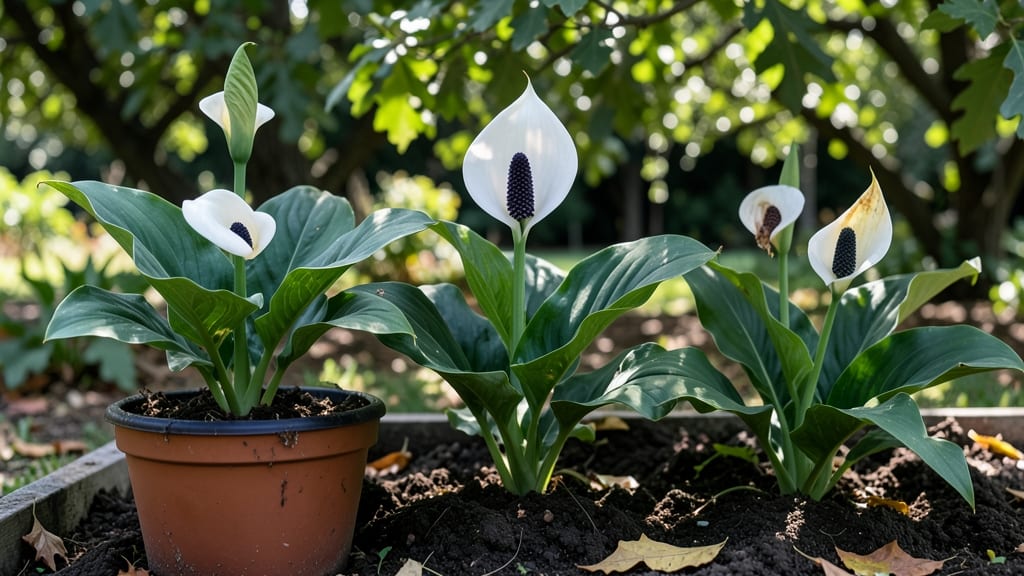
Calla lilies bloom all summer only when grown in their preferred conditions—typically USDA zones 8-10—where they produce flowers continuously from late spring through early fall with consistent sunlight, proper hydration, and well-draining soil. Cooler climates often limit their blooming season or require protective measures during winter.
Calla lilies are summer's showstoppers, but their blooming habits depend heavily on the variety and climate. 🌸 For instance, the classic white Zantedeschia aethiopica (often called peace lilies) blooms year-round in warm zones but may slow down in summer heat.
Meanwhile, Zantedeschia rehmannii varieties—like the vibrant pink 'Appletini'—thrive in summer's warmth and can keep flowering until frost. The key is matching their native tropical origins with your growing conditions, especially since most callas need 6+ hours of sunlight daily and soil that stays evenly moist but never soggy.
To extend their summer display, I recommend a few simple tricks: mulch heavily to retain moisture, prune spent blooms to encourage new growth, and provide afternoon shade in extreme heat. In cooler zones, dig up tubers before frost or move potted plants indoors to a bright, cool spot.
With the right care, you can coax even northern-grown callas to bloom well into late summer!
💡 In This Article
- Calla Lily Blooming Seasons by Variety
- Extending Calla Lily Blooms: Heat Zone Care Tips
Calla lily blooming seasons by variety
The blooming patterns of calla lilies vary dramatically between species due to their native tropical and subtropical origins. Zantedeschia aethiopica, the most common white variety, thrives in cooler climates (USDA zones 8-11) and often blooms year-round in ideal conditions, though it may slow down during peak summer heat when temperatures exceed 90°F.
This species evolved in South Africa's highland regions where summer days are warm but nights stay cool—a pattern that explains why it performs better in coastal climates than inland deserts.
In contrast, Zantedeschia rehmannii varieties like 'Appletini' (pink) and 'Black Star' (deep purple) are summer specialists that flourish in USDA zones 9-11 with their native East African origins.
These types produce their most vibrant blooms when daytime temperatures consistently reach 75-85°F, which is why they often bloom continuously from late spring through early fall.
The key difference lies in their heat tolerance—while aethiopica types may wilt in extreme heat, rehmannii varieties actually thrive when nighttime temperatures stay above 60°F.
Color also plays a subtle role in blooming timing. Yellow calla lilies (Zantedeschia elliottiana) typically bloom earlier in the season (April-May) because their native habitat experiences gradual warming, while purple-black varieties often bloom later (June-July) as they require more consistent heat.
This explains why garden centers sell purple callas later in spring—they're simply waiting for warmer soil temperatures to trigger flowering.
What most gardeners overlook is the plant's natural dormancy cycle. Even in perfect conditions, calla lilies need a 2-3 month rest period after their main bloom season to recharge.
This is why you'll see many varieties stop flowering in late summer—it's not a sign of poor care, but rather their biological clock preparing for winter. 🌿 For continuous summer blooms, gardeners in zones 7 and below often plant multiple varieties with staggered bloom times, creating a cascading display from early spring through frost.
Soil type also influences bloom duration. Calla lilies prefer slightly acidic to neutral soil (pH 6.0-7.0), and heavy clay soils can cause root stress that shortens the blooming season.
In my own garden, I've noticed that amending clay soil with compost and perlite extends the blooming window by 3-4 weeks compared to unamended beds. The improved drainage prevents root rot while maintaining consistent moisture—a critical factor for summer blooms.
Here's a quick reference for the most popular varieties and their ideal blooming windows:
- Zantedeschia aethiopica: Year-round in zones 8-11, but peaks spring-fall; may slow in summer heat
- Zantedeschia rehmannii: Continuous blooms June-September in zones 9-11
- Zantedeschia elliottiana: Early season (April-June) with summer dormancy
- Zantedeschia albomaculata: Late summer (July-September) specialist