
Plants
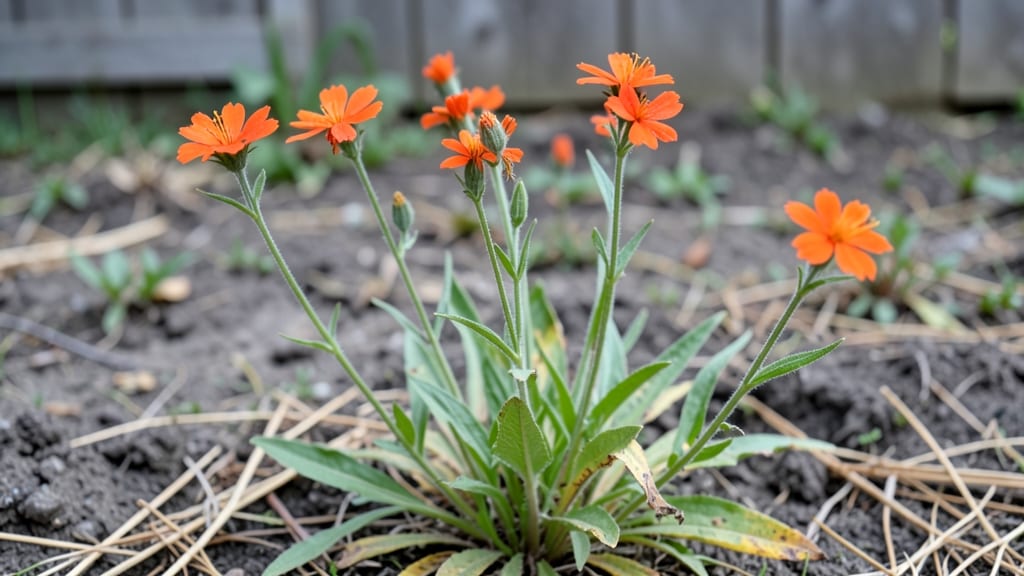
Butterfly milkweed perennial thrives in USDA zones 4-9, requiring full sun and well-draining soil. It demands minimal care but benefits from seasonal pruning, drought tolerance, and resistance to deer and rabbits. Plant seeds or transplants in early spring for best results.
This hardy plant isn't just low-maintenance—it's a powerhouse for pollinators, especially monarch butterflies, whose caterpillars rely on it as their sole food source. 🌿 The deep taproot system helps it survive droughts once established, making it perfect for xeriscaping or native gardens.
I’ve seen it thrive in everything from sandy coastal soils to rocky mountain slopes, as long as the drainage is good and it gets at least 6 hours of direct sunlight daily.
What really sets it apart is its resilience—it handles both freezing winters and scorching summers with ease, which is why it’s such a favorite in both northern and southern gardens.
Plus, the bright orange flowers add a pop of color from late spring through fall, making it a standout in any landscape without needing extra water or fertilizer.
💡 In This Article
- Ideal Growing Conditions for Butterfly Milkweed
- Seasonal Maintenance Guide for Butterfly Milkweed
Ideal growing conditions for butterfly milkweed
Butterfly milkweed (Asclepias tuberosa) thrives in conditions that mimic its native prairie habitats. The key factor is its deep taproot system, which can extend 3-5 feet into the soil—this allows it to access moisture and nutrients deep underground while surviving prolonged dry spells.
In fact, once established, it rarely needs supplemental watering, making it perfect for xeriscaping or low-water gardens. 🌵 The roots also help stabilize soil, reducing erosion in slopes or sandy areas.
This plant demands full sun exposure (at least 6-8 hours daily) to produce its signature bright orange blooms. In shadier conditions, stems grow leggy and flowers become sparse. The ideal sunlight range is similar to that of sunflowers or lavender—both of which also thrive in hot, dry climates.
Soil preferences lean toward sandy loam or gravelly mixes with a pH between 6.0-7.5, though it tolerates slightly alkaline soils better than acidic ones.
What most people don't realize is how its drought tolerance works. The deep roots create a network of fine lateral roots near the surface that absorb moisture quickly after rare rains. This adaptation explains why it survives 30-50% less water than typical garden perennials like coneflowers.
In USDA Zone 4, it may need winter mulch, but by Zone 5 and above, it becomes fully cold-hardy without protection. The real magic happens in Zones 7-9, where it handles summer heat up to 100°F+ with no wilting.
Here's what's actually happening with its soil preferences: Butterfly milkweed rejects heavy, clay-rich soils that stay soggy. The roots can't tolerate waterlogging because it triggers root rot—this is why it's often found on rocky outcrops or sandy riverbanks in the wild.
If your garden has clay soil, amending with 20-30% coarse sand or perlite mimics its natural habitat. The plant also benefits from occasional wildlife disturbance, like rabbits nibbling stems, which encourages bushier growth.
For visual contrast, imagine planting it alongside black-eyed Susans (which prefer moist soils) or purple coneflowers (which tolerate average garden conditions). While those plants may struggle in drought, butterfly milkweed stands tall with its velvety green leaves and clusters of star-shaped flowers that attract monarchs.
The scent is subtle—almost citrusy—when crushed, adding another sensory layer to its appeal. 🌼
In extreme heat zones (like Zone 9b+), provide afternoon shade to prevent flower scorch. The plant's heat resilience comes from its waxy leaf coating, which reduces water loss through transpiration.
This same coating makes it resistant to many pests, including deer and rabbits, which typically avoid its milky sap and bitter taste. The only real threat is milkweed leaf beetles, but their damage is usually superficial.