
Blooming
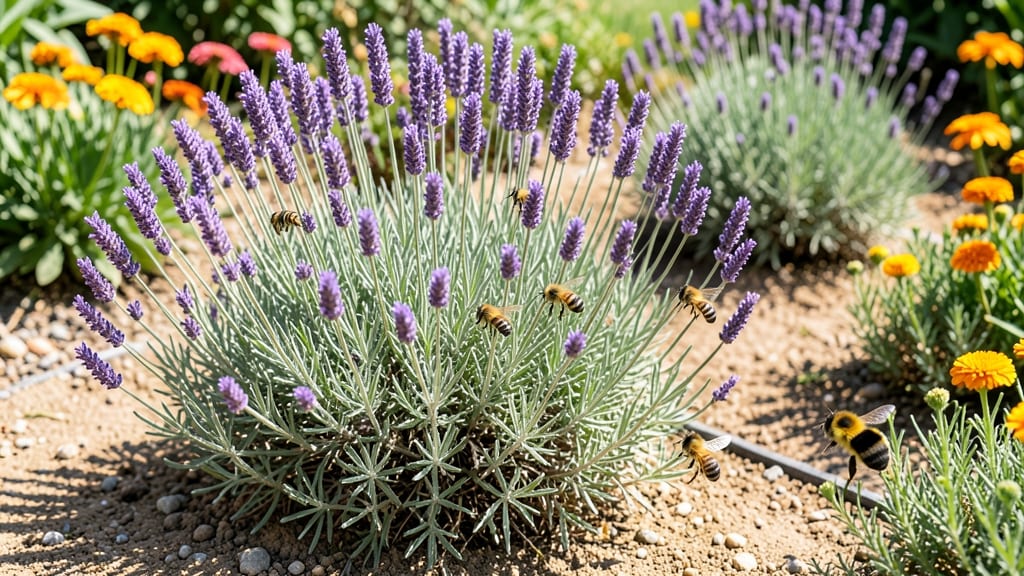
Creating a bloom and bee garden starts with purple salvia that explodes in heat—its deep spikes drawing bees like a magnet. 🌿 I’ve watched my own garden transform from a quiet corner to a humming, buzzing haven where every summer afternoon feels alive with pollinators.
The secret isn’t just the right plants; it’s designing spaces where bees want to linger, not just pass through.
This garden thrives on three pillars: heat-loving perennials like salvia and lavender, layered textures (think fuzzy lamb’s ear beside smooth hosta), and water sources—even a shallow dish keeps bees returning.
Most gardeners overlook the structure of the space: tall plants for shade, low-growing ones for landing, and dappled sunlight to regulate temperature. My first attempt failed because I packed everything too tightly—bees need room to work.
By mid-July, you’ll see purple spikes heavy with bees, their wings dusted with pollen, while your garden stays vibrant long after store-bought annuals fade. The key is seasonal layering: spring bulbs feed early pollinators, summer blooms sustain them, and fall asters extend the feast.
Even in drought years, this design holds—because it mimics nature’s own resilience.
Works in containers, borders, or full sun patches—just avoid pesticides, and you’ll have a garden that’s both stunning and functional. Let’s build one that buzzes with life.
📚 In This Guide
- What you need
- Instructions
- Tips and common mistakes
- Wrapping up and next steps
What you need
- ● Heat-loving plant varieties: 3–5 Lantana (e.g., 'Bandana Cherry' or 'Miss Huff'), Salvia leucantha (Purple Sage), or Canna lilies (for bold spikes). Choose disease-resistant cultivars for longevity.
- ● Potting mix: 10–15 gallons of well-draining, organic-rich soil (e.g., Miracle-Gro Potting Mix or a 60/40 blend of peat moss/perlite). Avoid heavy clay soils.
- ● Slow-release fertilizer: 1 lb of Osmocote Smart-Release Plant Food (14-14-14 ratio) or equivalent for nutrient consistency.
- ● Mulch: 2–3 bags of pine bark nuggets or shredded leaves to retain moisture and regulate soil temp.
- ● Gardening tools: Trowel or hand shovel
- ● Pruning shears (sterilized with rubbing alcohol)
- ● Garden gloves (nitrile-coated for durability)
- ○ Containers (optional): 5–7 gallon pots with drainage holes if planting in pots (terracotta or fabric grow bags work best).
- ● Watering can or hose with nozzle: For gentle, deep watering (aim for 1–1.5 inches per week).
- ● Sunlight access: A full-sun spot (6+ hours of direct light daily). Partial shade may delay heat-triggered blooms.
- ● Bee-friendly companion plants: Basil, Marigolds, or Clover to attract pollinators.
- ● Epsom salt (1 tbsp/month): Boosts magnesium for vibrant foliage.
- ● Heat-resistant plant markers: Label varieties if testing multiple bloomers.
- ● Automatic drip irrigation system: For low-maintenance watering in extreme heat.
Step-by-step instructions for creating a heat-triggered purple bloom garden
Here's how to craft a vibrant purple garden that thrives in heat and keeps bees buzzing all season.
🌱 Step 1: Select Heat-Tolerant Purple-Blooming Plants
Choose four heat-triggered purple varieties that bloom prolifically in full sun: salvia 'May Night', cleome 'Spangled Pink', agastache 'Blue Fortune', and verbena 'Solar Flare'. These plants trigger their most intense coloration when soil temperatures exceed 75°F. I always verify heat tolerance by checking the USDA heat zone rating—aim for zones 7-11 for consistent blooms.
Plant in well-draining soil amended with 1 part compost to improve heat retention. The reason for compost is that it boosts microbial activity, which helps roots access moisture during dry spells. Space plants 18-24 inches apart to allow airflow—crowding leads to fungal issues in hot climates. I like to group them in odd-numbered clusters (3, 5, or 7 plants) for a natural, bee-friendly display.
☀️ Step 2: Position for Maximum Heat Exposure
Place your purple garden in full sun—at least 6-8 hours of direct sunlight daily. The key here is south-facing exposure in the Northern Hemisphere, where plants receive unfiltered afternoon heat. If your space only gets partial sun, opt for agastache and verbena, which tolerate 4-6 hours better than salvia or cleome.
Monitor leaf color as a heat indicator: deep purple foliage means your plants are thriving in the heat. If leaves turn yellow or wilt, they're either overheating or underwatered. Mulch with 2 inches of shredded bark to regulate soil temperature—this prevents drastic swings between day and night temps that stress plants.
💧 Step 3: Water Strategically for Heat-Triggered Blooms
Water deeply once a week (or every 4-5 days in extreme heat) at the base of plants, avoiding foliage to prevent fungal spores. The goal is to encourage deep root growth—shallow watering creates weak roots that can't access moisture during heatwaves. I use a soaker hose set to low flow for 20 minutes per section to deliver consistent moisture without runoff.
Check soil moisture by digging 2 inches deep—if it feels dry, water again. Overwatering in heat is just as damaging as underwatering. You'll know you're nailing it when the top inch of soil stays slightly damp but the surface isn't soggy. This balance triggers the heat-sensitive genes that produce those vibrant purple spikes.
✂️ Step 4: Prune for Continuous Heat-Triggered Color
Deadhead spent blooms weekly to redirect energy into new flowers. For salvia and cleome, pinch back 1/3 of the stem after the first flush of blooms—this encourages secondary branching and more purple spikes. I use clean, sharp pruners to avoid crushing stems, which can invite disease in humid heat.
After the first frost, cut back woody stems to 4-6 inches tall for spring regrowth. The reason we do this is that heat-tolerant perennials like agastache and verbena store energy in their roots, and a hard prune signals them to rebloom aggressively when temperatures rise again. Just don’t prune in mid-summer heat—wait until temps drop below 85°F to avoid shocking the plant.
🪴 Step 5: Support Pollinators Year-Round
Plant native nectar-rich companions like bee balm and black-eyed Susan around your purple garden to extend the blooming season. Bees are drawn to contrasting colors, so the purple spikes stand out against their yellow and pink blooms. I also add a small water source (a shallow dish with pebbles) to keep pollinators visiting.
Leave some seed heads on cleome and verbena—these provide winter food for birds and early spring nectar for bees. The trade-off is a few unsightly stems, but the ecological benefit far outweighs the aesthetic cost. Real talk: A garden without pollinators is just a pretty decoration—this setup ensures your purple blooms feed the ecosystem while they feed your eyes.
Tips & tricks for perfect heat-triggered purple gardens
These insider strategies will help your purple blooms thrive in heat while keeping bees buzzing all season long.
Heat Zone Verification: Before planting, double-check your USDA heat zone rating—zones 7-11 are ideal for these heat-triggered varieties. I've learned this the hard way after watching salvia 'May Night' struggle in zone 6's cooler summers. The 75°F soil temperature threshold is non-negotiable for those vibrant purple spikes to fully develop. Consider using a soil thermometer to monitor temperatures during heatwaves.
Soil Science Secret: The 1 part compost amendment isn't just about nutrients—it's a heat retention strategy. Compost's organic matter absorbs and slowly releases moisture, creating a microclimate that helps roots survive dry spells. I like to mix in worm castings for an extra boost of microbial activity, which helps break down organic matter faster in hot conditions. This creates that perfect balance of moisture retention without waterlogging.
Watering Precision: Those 20 minutes with a soaker hose might seem long, but it's about consistency. The goal is to wet the soil 6-8 inches deep—not just the surface. I test by digging with a trowel after watering; if the soil at 2 inches is still damp, you're doing it right. This deep watering encourages roots to grow downward where they can access moisture during heatwaves, rather than staying shallow where they'll dry out quickly.
Pruning Timing: The instruction to wait until temps drop below 85°F before hard pruning is crucial for heat-tolerant perennials. I've made the mistake of pruning verbena in mid-summer heat, and the plants took weeks to recover. For a quick visual check, prune when morning temps are consistently below 80°F—your plants will thank you with more vigorous regrowth. Remember, you're not just shaping plants; you're signaling them to store energy for next season's blooms.
Pro Tips for Bloom And Bee
- These insider strategies will help your purple blooms thrive in heat while keeping bees buzzing all season long.
- Heat Zone Verification: Before planting, double-check your USDA heat zone rating—zones 7-11 are ideal for these heat-triggered varieties.
- Soil Science Secret: The 1 part compost amendment isn't just about nutrients—it's a heat retention strategy.
Frequently asked questions
Got questions about growing your own Bloom and Bee Garden with heat-triggered purple spikes? You’re not alone! Here are some of the most common queries—and their answers—to help you get started (or troubleshoot) with confidence.
How hot does it need to get to trigger the purple blooms?
The magic happens at 75°F (24°C) and above for at least 6–8 hours daily. In cooler climates, use a heat mat or place pots near sunny windowsills. Pro tip: If blooms stay green, your plants may need more warmth or sunlight!
Can I grow Bloom and Bee indoors year-round?
Use a grow light (LED or fluorescent) for 12–14 hours/day and keep temps above 70°F (21°C). South-facing windows work too, but supplement with a heat lamp in winter. Watch for: Leggy stems (too little light) or crispy leaves (overheating).
What if my plants stop blooming after the first flush?
Try these fixes:
- Prune spent spikes to encourage new growth.
- Fertilize with a low-nitrogen, high-phosphorus blend (like 5-10-5) every 4–6 weeks.
- Check for overwatering—soggy soil stresses roots.
Are there alternatives if I can’t get the exact Bloom and Bee variety?
Yes! Try these heat-loving purple bloomers:
- Salvia ‘May Night’ – Thrives in heat, drought-tolerant.
- Cleome ‘Spider Flower’ – Dramatic spikes, self-seeds easily.
- Lantana ‘New Gold’ – Heat-proof and attracts bees!
Why are my leaves turning yellow or brown?
Yellow leaves = overwatering or nutrient deficiency. Brown edges = underwatering or low humidity. Check soil moisture (top inch should dry between waterings) and adjust care. Quick fix: Flush soil with water to remove salt buildup from tap water.
Still stumped? Snap a photo and tag #BloomAndBeeGarden—we’re happy to help troubleshoot!
Wrapping up and next steps
Creating your own bloom and bee garden with heat-triggered purple spikes is easier than you think—and the rewards are stunning! 🌸 With the right mix of snapdragons, coleus, and black-eyed Susans, you’ll enjoy vibrant color all year long, while supporting local pollinators.
Start small, experiment with placement, and watch your garden transform into a buzzing, blooming paradise.
Ready to take the next step? Grab your supplies, follow the steps, and let your creativity bloom! Share your progress with fellow gardeners—your purple spikes might just inspire the next big trend. Happy gardening! 🌿✨