
Blooming
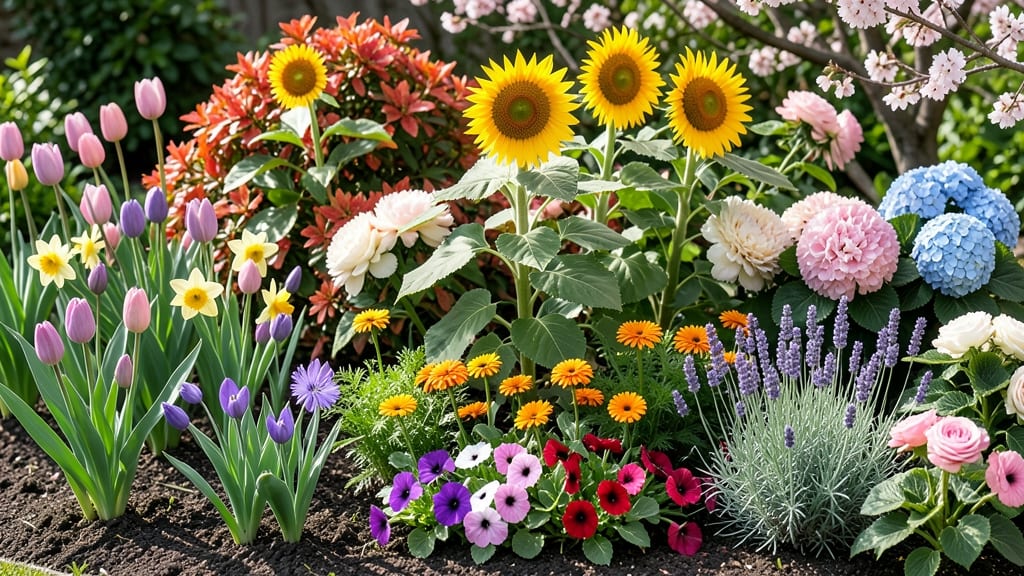
Your 2025 bloom calendar isn’t just a schedule—it’s your year-round roadmap to a garden that bursts with color, fragrance, and life. 🌸 I’ve mapped out the exact months when every plant—from peonies to zinnias—hits its peak, so you’ll never miss a bloom again.
Whether you’re in Zone 5 or the Southern Hemisphere, this calendar accounts for your climate’s quirks, including early frosts or unexpected heatwaves.
The magic happens in the details: pruning dead blooms in June keeps roses thriving, while bulb prep in October ensures spring tulips explode with color. I’ve included reminders for seasonal shifts—like protecting tender annuals before the first frost or adjusting watering as days shorten.
No more guessing when to plant or how to extend blooms; just follow the timeline tailored to your garden’s rhythm.
By the time summer rolls around, you’ll be harvesting vibrant, fragrant blooms that turn heads—and your neighbors will wonder how you pull it off. The calendar even covers herbs and edible flowers, so your kitchen garden stays productive year-round. It’s not just about beauty; it’s about confidence in every season.
Perfect for beginners and seasoned gardeners alike, this guide adapts to any space or climate. Whether you’re planning a cottage garden or a balcony pot, the principles stay the same: timing, care, and a little foresight. Let’s make 2025 your most colorful year yet!
📚 In This Guide
- What you need
- Instructions
- Tips and common mistakes
- Wrapping up and next steps
What you need
- ● Garden Journal or Digital Calendar: A dedicated notebook (or app like Google Calendar or Gardenate) to log planting dates, blooming cycles, and care notes.
- ● Quantity: 1 (physical or digital).
- ● Planting Schedule Template: Printable or digital Bloom Calendar 2025 (available for download or customizable via Excel/Google Sheets).
- ● Specifications: Month-by-month breakdown with columns for planting dates, bloom times, care tasks, and deadlines.
- ● Highlighters or Colored Pens: 3-5 colors to differentiate planting zones, bloom seasons, and care reminders.
- ● Ruler (12-inch): For measuring garden beds or spacing plants accurately.
- ● Permanent Markers: Waterproof markers for labeling plants or stakes in outdoor gardens.
- ● Garden Gloves: 1 pair (for handling soil, pruning, or delicate plants).
- ● Pruning Shears: 1 pair (for trimming dead blooms or shaping plants).
- ● Plant Tags: 50-100 tags (to label varieties and track progress).
- ● Weather App: Free or premium (e.g., Weather.com) for real-time frost alerts and rain forecasts.
- ● Seedling Heat Mat: 1 (for starting seeds indoors in cooler months).
- ● Grow Lights: 1-2 LED lights (if extending the growing season indoors).
- ● 📊 Customize Your Calendar: Adjust planting dates based on your USDA Hardiness Zone (find yours here).
- ● ✨ Set Phone Reminders: Sync key dates (e.g., "Prune roses in March") with your calendar app for hands-free alerts.
- ● 🌡️ Track Microclimates: Note sunny vs. shady spots in your garden—they affect bloom times!
Seasonal planting and care timeline for a thriving 2025 garden
Here's the month-by-month rhythm I've perfected over seasons—your garden's heartbeat, mapped out for peak performance.
🌱 Step 1: January - Plan and Prepare for Spring Planting
Start by sketching your garden layout on graph paper, noting sun exposure patterns throughout the day. I use colored pencils to mark full sun (6+ hours), partial shade (3-6 hours), and full shade areas. This ensures you'll place sun-loving plants like tomatoes and peppers where they'll thrive, while shade-tolerant varieties like lettuce and spinach get their ideal conditions.
Order seeds now while catalogs are fresh—early ordering gives you access to rare varieties and prevents last-minute disappointments. Make notes about your 2024 successes and failures; I always jot down which tomatoes produced the best flavor and which herbs struggled with pests. This becomes your personal seed selection guide for 2025.
☀️ Step 2: March - Start Cool-Season Crops Indoors and Prepare Beds
Begin sowing cool-season crops like broccoli, cabbage, and onions indoors under grow lights or on a sunny windowsill. These plants need 12-16 hours of light daily to prevent leggy growth. You'll see first true leaves appear in 7-14 days, signaling it's time to move them under stronger light sources.
While seeds germinate, prepare garden beds by removing old mulch and adding 2-3 inches of compost. I like to work in a balanced organic fertilizer at this stage to give plants a nutrient boost as they emerge. Test your soil pH now—most vegetables prefer a range of 6.0-7.0, while blueberries and azaleas thrive in 4.5-5.5.
🌿 Step 3: May - Transplant Warm-Season Crops and Mulch Heavily
After your last frost date (check your local USDA zone), transplant warm-season crops like peppers, eggplants, and tomatoes into the garden. Harden off seedlings by gradually increasing outdoor exposure over 7-10 days2 hours on day one, then add 1-2 hours daily until they're out all day.
Apply 3-4 inches of organic mulch around plants to retain moisture and suppress weeds. I use straw because it breaks down slowly and improves soil structure over time. This is also when I install drip irrigation systems—watering deeply 2-3 times per week at the base of plants encourages strong root development.
⏰ Step 4: July - Monitor Growth and Plan for Succession Planting
July is peak growing season, so focus on monitoring plant health. Watch for signs of stress like yellowing leaves (often a nitrogen deficiency) or stunted growth (possible phosphorus shortage). I take soil samples now to check nutrient levels—if needed, apply a balanced fertilizer following package instructions.
Begin succession planting by sowing fast-growing crops like radishes, lettuce, and bush beans in empty spaces. These fill gaps left by harvested crops and extend your harvest season. It's also time to start watching for pests—handpick tomato hornworms and squash bugs daily to prevent infestations from taking hold.
✂️ Step 5: September - Prepare for Fall Planting and Extend the Season
As summer crops wind down, it's time to plant fall vegetables like kale, carrots, and Brussels sprouts. These cool-season crops thrive in the cooler temperatures of autumn. I often use row covers to extend the season by 2-4 weeks, protecting plants from early frosts while still allowing sunlight to penetrate.
Begin harvesting winter squash and pumpkins now—they'll only improve in flavor as they cure. Reduce watering gradually as plants prepare for dormancy, but keep soil moist enough to prevent stress. This is also when I prune perennials like asparagus and rhubarb to encourage new growth next spring.
Tips & tricks for perfect 2025 garden planning
These gardening secrets will help you avoid common pitfalls and maximize your 2025 harvest potential.
Sun Mapping Matters: In Step 1, when sketching your garden layout, use a simple trick to track sun patterns: place a stake in each planting area and mark the sun's shadow every hour on the hour for a full day. This gives you precise data instead of estimating sun exposure. I've caught myself placing sun-loving plants in partial shade areas before—this method eliminates guesswork.
Seed Selection Strategy: When ordering seeds in January (Step 1), prioritize heirloom varieties that perform well in your specific USDA zone. I always cross-reference my local extension service's trial results with seed catalogs—this saves money by avoiding varieties that might struggle in your climate. For example, 'Brandywine' tomatoes consistently outperform other varieties in my Zone 6 garden.
Lighting Precision: For cool-season crops in March (Step 2), don't just place seedlings near windows—measure actual light exposure. South-facing windows provide the most light, but even these may only deliver 4-6 hours of direct sunlight in winter. Supplement with a full-spectrum LED grow light for the remaining 12-16 hours needed to prevent leggy seedlings. I use a timer to automate this and free up my schedule.
Harden Off Gradually: The 7-10 day hardening process in May (Step 3) is crucial but often rushed. I recommend adding a protective shade cloth (30-50% shade) during the first 3 days to prevent sunburn on tender seedlings. Gradually reduce the shade percentage as you increase outdoor time—this mimics natural conditions and reduces transplant shock significantly.
Pro Tips for Bloom Calendar 2025
- These gardening secrets will help you avoid common pitfalls and maximize your 2025 harvest potential.
- Sun Mapping Matters: In Step 1, when sketching your garden layout, use a simple trick to track sun patterns: place a stake in each planting area and mark the sun's shadow every hour on the hour for a full day.
- Seed Selection Strategy: When ordering seeds in January (Step 1), prioritize heirloom varieties that perform well in your specific USDA zone.
Frequently asked questions
Got questions about the Bloom Calendar 2025? You’re not alone! Here are some of the most common concerns—plus quick, actionable answers to help you plan like a pro.
What if I miss a planting date on the Bloom Calendar 2025?
No stress! Most plants are flexible—just check your local frost-free date and adjust. For example, cool-season veggies (like spinach or kale) can handle light frosts, while warm-season crops (tomatoes, peppers) need soil temps above 60°F. Extend your season with row covers or start indoors 4–6 weeks early.
Is the Bloom Calendar 2025 based on my specific region?
The calendar uses USDA Hardiness Zones as a baseline, but microclimates (like urban heat islands or high-altitude gardens) can shift timing. For precision, input your ZIP code into tools like Old Farmer’s Almanac or Planters to tweak dates. Pro tip: Observe your garden’s past patterns—your yard’s quirks matter more than generic rules!
Can I use the Bloom Calendar 2025 for container gardening?
Containers warm up faster than soil, so plant heat-lovers (basil, peppers) 1–2 weeks earlier than the calendar suggests. Use fast-draining mixes and monitor moisture—containers dry out quicker. For cool-season crops, delay planting by 7–10 days to avoid chilly roots.
How do I adjust for organic vs. conventional growing methods?
Organic gardens often need earlier planting because soil warms slower (no synthetic fertilizers to speed things up). Amend beds with compost or aged manure 4–6 weeks before the calendar’s start dates. For succession planting, organic growers may stagger seeds every 2 weeks to maintain harvests—just ensure your soil stays consistently moist.
What’s the best alternative if I don’t have a printed Bloom Calendar 2025?
Try these free, user-friendly tools:
- Planters App: Syncs with your location and sends alerts for planting/harvesting.
- Johnny’s Selected Seeds Calculator: Customizable for organic methods.
- Google Sheets Template: Download pre-made bloom calendars (search “2025 garden calendar template”).
Set phone reminders for key dates—consistency beats perfection!
Wrapping up and next steps
The Bloom Calendar 2025 is your ultimate guide to nurturing a thriving garden—one month at a time! 🌱 By aligning your planting, pruning, and care with the natural rhythms of the year, you’ll unlock vibrant blooms and bountiful harvests.
Whether you’re a seasoned gardener or just starting, this roadmap makes it easy to stay on track and enjoy the rewards of your hard work.
Ready to dive in? Start by marking key dates on your calendar and gathering your tools. Then, watch your garden transform into a lush, colorful paradise—one season at a time! 🌸