
Blooming
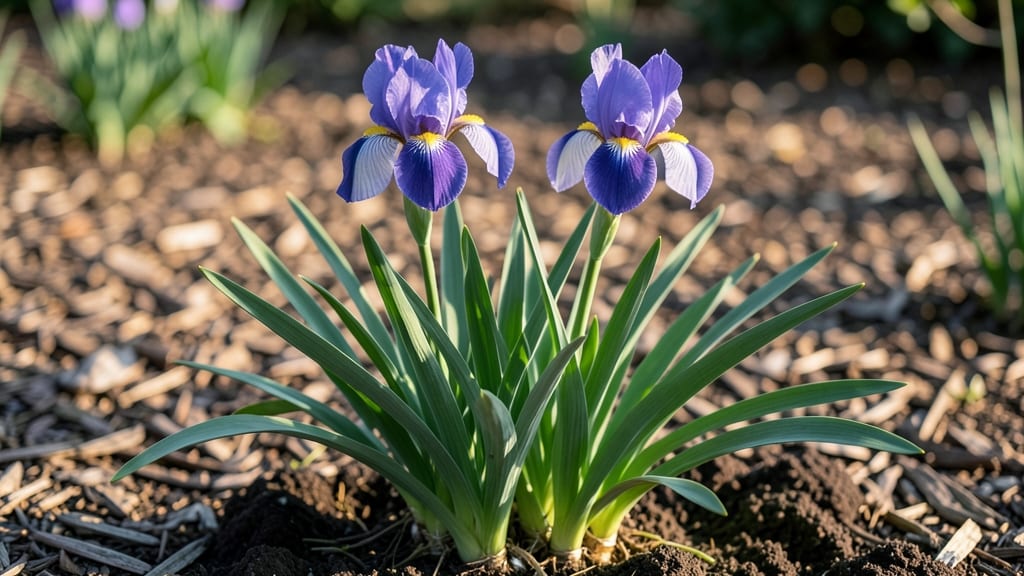
Iris bloom in Zone 6 between late April and June, when the soil warms and daylight stretches longer — but the exact timing depends on variety, soil, and whether you planted them in late summer or early fall.
If you’ve ever planted irises in Zone 6 only to wonder why they’re not blooming when expected, you’re not alone — timing is everything with these showstopping perennials. Some varieties pop up in May, while others wait until June, and a cool spring can push everything back by weeks.
Here’s the secret: early bloomers like Siberian irises often start in May, while Bearded irises — the classic showstoppers — peak in late May to early June. Late-season varieties might even linger into July, but only if they’ve had the right care all year.
Below, I’ll break down how to adjust your care for peak blooms, which varieties perform best in Zone 6, and how to troubleshoot if your irises are playing hide-and-seek with their flowers.
Iris bloom timeline in Zone 6: exact months and what to expect
If you've planted irises in Zone 6, you know the excitement of waiting for those vibrant blooms to appear. Unlike some perennials, irises have a predictable bloom window when given the right conditions.
Understanding this timeline helps you plan your garden and troubleshoot if blooms arrive late—or don't show up at all.
The typical iris bloom season in Zone 6 spans from late April to early June, but exact timing depends on the variety and your local microclimate.
Early bloomers may appear as soon as mid-April, while late-season types can linger until mid-June. Let's break down what to expect month by month.
The first frost date in Zone 6 (typically mid-October) triggers iris dormancy, but their bloom timing is actually set by the previous summer's heat accumulation.
If you planted rhizomes in late summer 2023, they'll bloom in spring 2024—but if you planted in fall 2023, expect blooms in spring 2025.
For reliable blooms, plant rhizomes with their top half exposed in well-draining soil during late summer. This timing gives roots time to establish before winter, ensuring stronger blooms the following spring. The 6+ hours of sunlight Zone 6 provides is perfect for iris growth.
Watch for foliage color changes in late summer—healthy green leaves mean strong next-year blooms. If your irises produce leaves but no flowers, they may need division every 3-4 years to prevent overcrowding, which steals energy from blooming.
Microclimates can shift bloom times by 1-2 weeks. Gardens near large bodies of water may bloom 10 days earlier due to moderated temperatures, while inland areas might see later blooms. Pay attention to your local patterns over 3 years to predict your garden's rhythm.
To extend the bloom season, plant a mix of early, mid, and late varieties. For example, pair Siberian irises (early) with Bearded irises (mid) and Japanese irises (late). This creates a continuous display from April to June.
If your irises bloom earlier than expected, they may be responding to an unusually warm winter. Conversely, late blooms often indicate a cool spring or poor soil drainage. Adjust care accordingly—amend soil with compost if needed.
Remember, first-year irises often skip blooming entirely—they focus on root growth. Don't panic! By year two, your Zone 6 irises should deliver those showstopping blooms you planted them for.
Why your Zone 6 iris might not bloom on schedule (and how to fix it)
Irises in Zone 6 typically bloom between late April and June, but many gardeners find their plants lag behind schedule. The good news? Most issues are fixable with simple adjustments to soil health, sunlight exposure, and planting techniques.
Understanding these common pitfalls can transform your iris blooms from sporadic to spectacular.
One of the biggest culprits is poor soil drainage. Irises hate soggy roots, and Zone 6’s occasional heavy rains or clay soils can drown rhizomes before they bloom. Even if your irises look healthy, root rot might be silently sabotaging their flower production.
Another frequent issue is overcrowding—when clumps get too dense, they channel energy into leaves instead of blooms.
⚠️ Bloom Delay Warning
If your Zone 6 irises aren’t blooming by mid-May, check these 3 critical factors first:
- Sunlight: 6+ hours of direct sun daily—partial shade delays blooms.
- Soil: Well-draining, slightly alkaline (pH 6.0-7.0)—test yours today!
- Division: Clumps older than 5 years need splitting to revive blooms.
Pro Tip: Fertilize in early spring with low-nitrogen (5-10-10) to boost flowers, not foliage.
Winter hardiness also plays a surprising role. While Zone 6 irises survive cold snaps, prolonged freezing or thaw-freeze cycles can stress rhizomes, delaying spring blooms. If your area had an unusually harsh winter, give your irises extra time—2-3 weeks past the usual bloom window—to recover before panicking.
Light exposure is another game-changer. Most irises need full sun (6+ hours daily), but Zone 6’s shorter daylight hours in early spring can trick plants into waiting. If your irises are in morning sun only, relocate them to a south-facing spot by late winter to jumpstart blooming.
Don’t overlook the division schedule. Irises bloom best when 3-5 years old—after that, their energy shifts to producing offsets. Dig up and divide clumps every 3-4 years in late summer (August-September) to reset their bloom cycle. This simple step can double your flower count the following spring.
Finally, watering habits matter more than you think. While irises tolerate drought, consistent moisture (not soggy soil) during spring bud formation (March-April) encourages blooms. Water deeply once weekly in early spring, then taper off after blooms appear to let rhizomes dry slightly between waterings.
With these fixes, your Zone 6 irises should burst into color right on schedule—or even earlier! Start with soil tests and sunlight checks, then adjust care based on what your plants need most. Happy blooming! 🌸