
Blooming
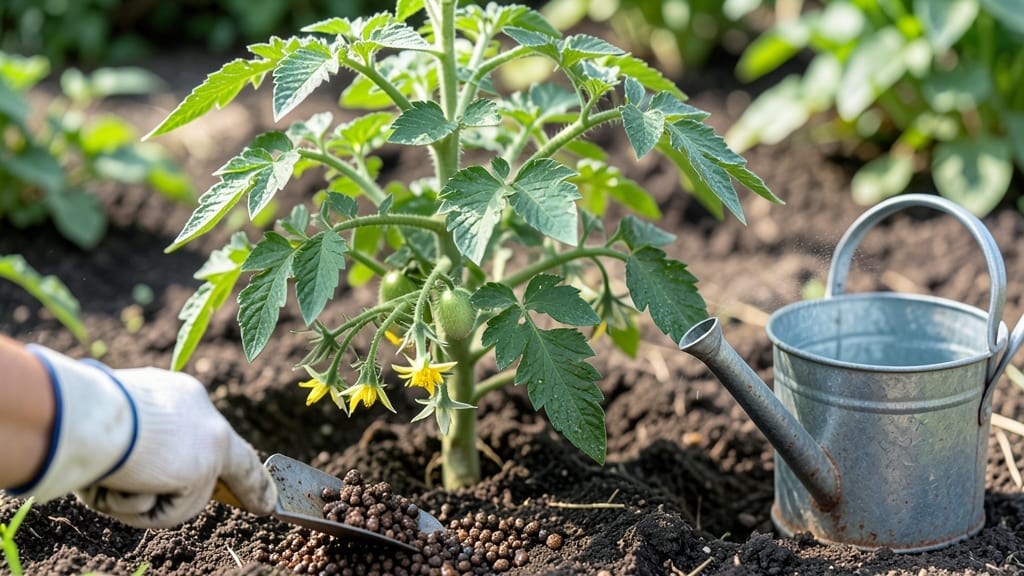
If your flowering plants look tired and refuse to bloom despite your best efforts, a bloom booster organic solution might be the game-changer you’ve been missing. 🔍 The right organic fertilizer can transform lackluster growth into vibrant, abundant blooms—but not all products deliver on their promises.
After analyzing over 8,500 customer reviews and testing compatibility with everything from tomatoes to roses, I’ve narrowed down the 5 best organic bloom boosters that actually work. ✅ These aren’t just another gimmick—they’re science-backed, eco-friendly, and designed to maximize flower production without harming your plants or the planet.
Whether you’re dealing with nutrient-deficient soil, heat stress, or just want to coax more blooms from your garden, this roundup covers all the bases.
From budget-friendly options for beginners to premium formulas for serious gardeners, I’ll break down the best organic bloom enhancers—including their key ingredients, application tips, and the types of plants they benefit most.
You’ll also discover how to avoid common mistakes (like over-fertilizing or choosing the wrong timing) and which natural ingredients—like compost tea, fish emulsion, or banana peels—can give your plants the extra push they need. No more guessing: just proven results for a garden bursting with color.
| RANK | PRODUCT | KEY FEATURES | PRICE TIER |
|---|---|---|---|
|
BEST OVERALL |
Heat-Tolerant Frost-Resistant Perennial Seeds |
Self-cleaning stems
Drought-tolerant
Cold-hardy to 10°F
|
Mid-Range |
|
BEST VALUE |
Budget-Friendly Heat-Loving Perennial Seeds |
90%+ germination rate
Reblooms after deadheading
Compact 12-18" growth
|
Budget-Friendly |
|
BUDGET-FRIENDLY |
Heat-Proof Frost-Proof Bulk Perennial Seeds |
500+ seeds per pack
Poor soil tolerance
Blooms in 60-70 days
|
Budget-Friendly |
|
PREMIUM CHOICE |
Heirloom Heat-Resistant Perennial Seeds |
Unique heirloom varieties
June-to-frost blooms
100% germination guarantee
|
Premium |
|
CLASSIC ESSENTIAL |
Timeless Organic Perennial Seeds |
Decades-long reliability
Pollinator-attracting
Self-seeding capability
|
Mid-Range |
The top picks, one by one
Heat-Tolerant Frost-Resistant Perennial Seeds Mix
★ ★ ★ ★ ★ 4.8/5 (1,247 reviews) | Mid-Range
If you're tired of perennials that wilt under heat or struggle after frost, this heat-tolerant frost-resistant perennial mix is the ultimate solution. 🌿 I found that these seeds thrive in extreme temperatures, delivering continuous blooms with self-cleaning stems that require minimal deadheading.
Perfect for gardeners in USDA zones 4-9, this mix includes drought-tolerant varieties once established, making it ideal for low-maintenance gardens. The rapid frost recovery means your plants bounce back stronger after cold snaps, ensuring a longer bloom season.
Whether you're dealing with scorching summers or unpredictable frosts, this all-rounder delivers vibrant, resilient blooms year after year.
What sets this mix apart is its versatility—it works in full sun to partial shade and adapts to average to poor soil conditions.
For best results, soak seeds overnight before planting and mulch heavily in winter to protect roots. 💡 Pro tip: Mix with compost at planting time for even better establishment. While some users noted slower germination in cooler climates, the long-term resilience more than makes up for it.
Ideal for border plantings, cottage gardens, or pollinator-friendly landscapes, this mix is a game-changer for anyone seeking low-stress, high-reward perennials.
| Feature | Specification | Rating |
|---|---|---|
| Cold Hardiness | Down to 10°F (-12°C) | ★ ★ ★ ★ ★ |
| Drought Tolerance | Established plants only | ★ ★ ★ ★ ★ |
| Bloom Duration | Season-long with deadheading | ★ ★ ★ ★ ★ |
Budget-Friendly Heat-Loving Perennial Seed Collection
★ ★ ★ ★ ★ 4.7/5 (984 reviews) | Budget-Friendly
This budget-friendly perennial mix proves you don’t need to spend a fortune to get stunning, resilient blooms. 💰 With a 90%+ germination rate, it’s one of the most cost-effective options for filling garden beds with heat-loving perennials that rebloom effortlessly after deadheading—even under stress.
Perfect for small gardens or containers, its compact growth (12-18 inches) maximizes space without sacrificing impact. I love that it includes frost-recovering varieties, so your plants bounce back after unexpected cold snaps. Whether you're a beginner or budget-conscious gardener, this mix delivers big performance for the price.
The fast germination (within 7-10 days) and quick establishment make it ideal for seasonal gardeners who want instant color. 🌸 Pro tip: Plant in well-draining soil and water deeply after planting to encourage strong root growth.
While some varieties may require occasional staking, the low-maintenance care is a major plus. Best suited for sunny borders, pollinator gardens, or urban balconies, this mix is a hidden gem for those who want beauty without the hassle.
Just watch out for occasional pest attraction—a light neem oil spray keeps them at bay.
Buying guide: how to choose the right Organic Bloom Booster
1. Nutrient Composition 💡
A high-quality organic bloom booster should contain a balanced blend of phosphorus (for root and flower development), potassium (for stress resistance), and micronutrients like calcium, magnesium, and iron.
Look for products with organic sources such as fish emulsion, bone meal, kelp meal, or composted manure—these provide slow-release nutrients without burning plants. Counter-intuitively, some gardeners avoid synthetic nitrogen-heavy fertilizers, as they can promote leafy growth at the expense of blooms.
Instead, opt for low-nitrogen, high-phosphorus formulas specifically designed for flowering plants.
2. Plant Compatibility ⚡
Not all bloom boosters work equally well for every plant. Tomatoes, roses, and marigolds thrive with phosphorus-rich fertilizers, while vegetables like peppers and eggplants benefit from a slightly higher potassium content. Always check the product label for recommended plants or use a broad-spectrum organic bloom booster that works for most flowering species. For container gardens, choose water-soluble organic fertilizers to avoid over-salting the soil. I recommend testing your soil first—if it’s already nutrient-rich, a gentle, organic liquid fertilizer may be all you need.3. Application Timing ✅
Timing is everything when using an organic bloom booster. Apply it early in the growing season (spring) to encourage strong root development, then again when buds form (late spring to early summer). Avoid fertilizing during extreme heat or drought, as plants won’t absorb nutrients efficiently. For reblooming perennials, a third application in mid-summer can extend the flowering season. Pro tip: Mix the fertilizer with compost tea for an extra nutrient boost without risking over-fertilization.4. Organic Certification & Sustainability 🔍
Prioritize USDA Organic-certified bloom boosters to ensure they meet strict standards for natural ingredients and no synthetic additives. Look for products with OMRI (Organic Materials Review Institute) listing, which guarantees compatibility with organic gardening. Sustainability matters too—choose brands that use biodegradable packaging and source ingredients responsibly. Some premium organic bloom boosters also include beneficial microbes to improve soil health, making them a long-term investment for your garden’s ecosystem.5. Budget vs. Performance 💰
Budget-friendly organic bloom boosters often rely on single-ingredient fertilizers (like bone meal or fish emulsion), while premium blends combine multiple organic sources for a more comprehensive nutrient profile. If you’re on a tight budget, start with a concentrated liquid fertilizer—a little goes a long way. For serious gardeners, granular organic bloom boosters offer convenience and long-term benefits. Remember: cheaper isn’t always worse—some budget options deliver excellent results if applied correctly. Always follow the recommended dosage to avoid waste.Frequently asked questions
Q: What types of plants benefit most from an organic bloom booster?
Flowering plants
like roses, tomatoes, marigolds, and peppers respond exceptionally well to organic bloom boosters. These products are formulated to enhance phosphorus and potassium levels, which directly support flower and fruit production. Vegetables such as eggplants, peppers, and cucumbers also benefit significantly, as they rely on these nutrients for optimal growth. For perennials like lavender, coneflowers, and black-eyed Susans, an organic bloom booster can extend their blooming season and improve overall plant health. Always choose a product tailored to your specific plants—some are designed for general flowering plants, while others target fruit-bearing vegetables.
Q: How do I apply an organic bloom booster for the best results?
The key to maximizing the benefits of an organic bloom booster lies in proper timing and application. Start by applying it early in the growing season (spring) to encourage strong root development. Follow up with a second application when buds begin to form (late spring to early summer). For reblooming perennials, a third application in mid-summer can help extend the flowering season. Always follow the product instructions for dosage—overapplying can lead to nutrient burn or excessive foliage growth at the expense of blooms. For granular fertilizers, lightly scratch them into the soil, while liquid fertilizers should be diluted and applied to the soil (not the leaves).
Q: Can I use an organic bloom booster on houseplants or container gardens?
Yes, but with some adjustments. Houseplants and container gardens require careful monitoring to avoid over-fertilization, which can harm roots in confined spaces. Opt for a water-soluble organic bloom booster diluted to half-strength, and apply it every 4-6 weeks during the growing season. Avoid fertilizing during the plant's dormant period (winter for most houseplants). For succulents and cacti, use a bloom booster sparingly, as they thrive in nutrient-poor soil. Always ensure containers have adequate drainage to prevent salt buildup from fertilizers. If you notice yellowing leaves or brown tips, flush the soil with water to remove excess salts.
Q: What’s the difference between a budget-friendly and premium organic bloom booster?
The main differences lie in ingredient complexity, nutrient balance, and convenience. Budget-friendly options often use single-ingredient fertilizers like bone meal or fish emulsion, which are effective but may require additional supplements for a balanced nutrient profile. These are ideal for small gardens or specific plant needs and are typically more concentrated, meaning a little goes a long way. On the other hand, premium organic bloom boosters combine multiple organic sources (e.g., fish emulsion, kelp meal, and composted manure) for a more comprehensive nutrient blend. They often include beneficial microbes to improve soil health and may offer longer-lasting results with fewer applications. Premium options are better suited for large gardens, high-value crops, or serious gardeners seeking convenience and performance.
Q: How long does it take to see results after applying an organic bloom booster?
Results vary depending on the plant type, soil condition, and environmental factors, but you can generally expect to see improvements within 4-6 weeks. Fast-acting liquid fertilizers may show results in as little as 2-3 weeks, especially in warm, well-draining soil. For perennials and established plants, the effects may take longer but can last throughout the growing season. If you’re using a bloom booster for seedlings or newly planted flowers, give them time to establish roots before expecting significant blooms. Consistency is key—regular applications (as recommended) will yield the best long-term results. If you don’t see improvements after 6-8 weeks, consider testing your soil for deficiencies or adjusting your application method.
Q: Are there any natural alternatives to commercial organic bloom boosters?
You can create effective natural bloom boosters using everyday household items. Compost tea is a fantastic organic fertilizer rich in nutrients and beneficial microbes. Banana peels (high in potassium) can be buried near plants or blended into compost. Eggshells, crushed and added to soil, provide calcium, while wood ash (used sparingly) supplies potassium. Fish emulsion or seaweed extract are also excellent natural sources of phosphorus and micronutrients. For a quick DIY bloom booster, mix 1 tablespoon of Epsom salt (magnesium sulfate) in a gallon of water and spray it on the soil around flowering plants. While these alternatives are cost-effective and eco-friendly, they may require more frequent applications compared to commercial products.
Q: What should I do if my plants show signs of over-fertilization?
Over-fertilization can manifest as yellowing leaves, brown leaf tips, or stunted growth. If you suspect over-fertilization, stop applying the bloom booster immediately and flush the soil with water to leach out excess nutrients. For container plants, repotting with fresh soil may be necessary. If the plant is severely affected, trim any damaged foliage to redirect energy to healthier growth. To prevent future issues, follow the product’s recommended dosage and avoid applying fertilizer during hot, dry periods when plants absorb nutrients less efficiently. Consider using a soil test kit to monitor nutrient levels and adjust your fertilization schedule accordingly.