
Blooming
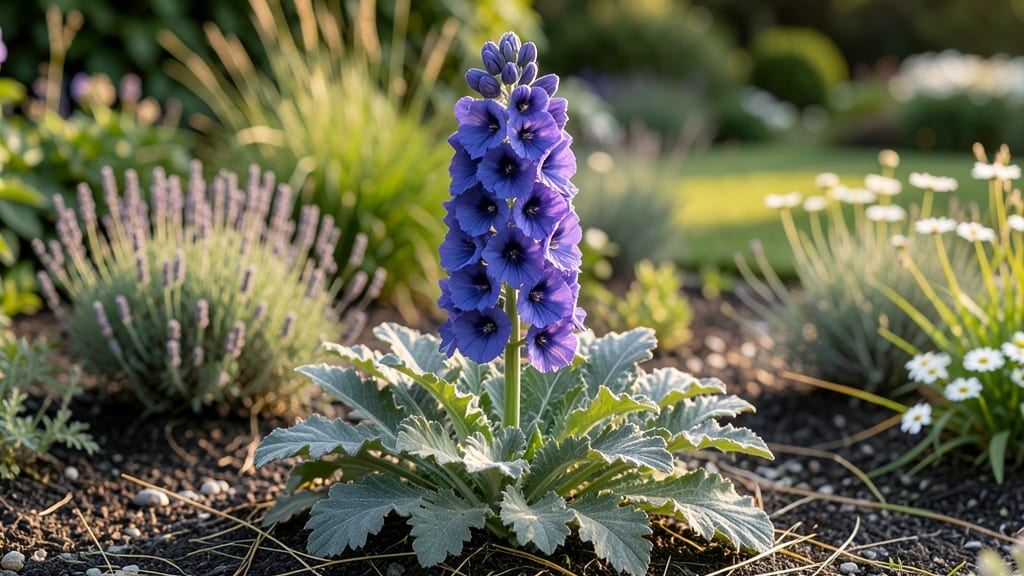
The delphinium flower bloom time after frost in late spring is a stunning second wave of color that surprises even seasoned gardeners.
If you’ve ever struggled to keep your 🌸 delphiniums blooming year after year, you’re not alone. These towering beauties often fade after their first flush, but some varieties actually thrive when triggered by cold. The secret? Planting cold-hardy types that rebound with even more vibrant blooms after frost.
In USDA Zone 6a and colder, delphiniums planted in March-April often produce their first flowers by June, but the real magic happens when a light frost hits. Varieties like 'Black Knight' and 'Pacific Giant' respond by sending up fresh stems, extending your bloom time well into August.
Below, I’ll show you how to time your planting, which varieties perform best, and simple care tricks—like deadheading and soil prep—to keep your delphiniums flowering longer than ever.
When and why delphiniums bloom after frost (cold-triggered varieties explained)
Delphiniums are famous for their dramatic spires of vibrant blue, purple, and white blooms, but many gardeners struggle to get them to rebloom after their first flush. The secret lies in cold-triggered varieties that actually need frost to reset their growth cycle.
When exposed to 25–40°F temperatures for 4–6 weeks, these delphiniums enter a dormancy phase that primes them for a second, often more vigorous bloom.
This phenomenon isn’t just luck—it’s rooted in botanical science. Frost signals the plant to stop vegetative growth and redirect energy toward flower bud formation. Without this cold trigger, many delphiniums produce a single weak bloom cycle before fading.
Cold-hardy varieties, however, store energy in their roots during winter and burst into longer, more abundant blooms when spring arrives.
| Variety | Cold Trigger Temp | Bloom Time After Frost | Hardiness Zone |
|---|---|---|---|
| 'Blue Bird' | 25–35°F | Late May–July | 3–8 |
| 'Pacific Giant' | 30–40°F | June–August | 4–8 |
| 'Black Knight' | 28–38°F | Late June–September | 5–8 |
| 'Elfin' | 25–35°F | May–June | 3–7 |
| 'Belladonna' | 30–40°F | June–July | 4–8 |
Not all delphiniums respond to frost equally. Cold-triggered varieties like 'Blue Bird' and 'Elfin' thrive in USDA zones 3–7, where winters dip below 32°F regularly. These varieties store carbohydrates in their roots during dormancy, which fuels their second bloom cycle in late spring or early summer.
In warmer zones (8–9), you’ll need to simulate frost with artificial chilling or staggered planting to encourage reblooming.
If you live in zone 8 or higher, focus on varieties like 'Pacific Giant' or 'Black Knight', which tolerate milder winters but still benefit from cool-season growth. Plant them in fall for early spring blooms, then let them experience winter’s chill before their main flowering season.
This two-stage growth pattern ensures you’ll enjoy delphiniums blooming from late spring through summer.
The key to success is timing your frost exposure. Delphiniums need 4–6 weeks below 40°F to fully reset. In zone 5 or colder, this happens naturally, but in warmer climates, you may need to plant in fall or use row covers to extend the cold period.
Avoid heavy mulching in winter—this can insulate the roots and prevent the necessary dormancy.
Once your delphiniums experience the right cold trigger, they’ll reward you with taller, fuller blooms than their first flush. The second bloom cycle often produces more flowers per stem and brighter colors because the plant has replenished its energy reserves.
For example, 'Pacific Giant' can reach 7 feet tall in its second bloom, with 10–12 flower spikes per stem instead of the usual 5–7.
To maximize reblooming, deadhead spent blooms in early summer to redirect energy to new flower buds. However, avoid cutting back more than 1/3 of the plant—this can weaken the root system before winter.
Instead, snip individual stems as they fade, leaving the lower foliage intact to photosynthesize until frost.
Gardeners in USDA zones 3–5 often see the best reblooming results because their winters provide the perfect natural trigger. In zone 6 and above, consider staggered planting: sow half your seeds in early fall
How to extend delphinium bloom time with frost management techniques
Delphiniums often put on one spectacular show before fading, but with the right frost management techniques, you can coax them into reblooming. The key lies in understanding how cold exposure triggers dormancy, which can stimulate a second flush of flowers.
By combining staggered planting, phosphorus-rich soil, and strategic pruning, you’ll extend your delphinium’s bloom time by weeks—sometimes even months. Start with these proven methods to turn your garden into a year-round display.
First, focus on early spring fertilization with a high-phosphorus blend (like 10-20-10 NPK) to strengthen roots before the first frost. This ensures your plants have the energy reserves needed to recover and rebound.
Pair this with mulching around the base to insulate roots from extreme temperature swings. For young plants still vulnerable to late frosts, use lightweight row covers to shield them without overheating the soil.
- Step 1: Deadhead faded blooms by cutting stems 2-3 inches above the lowest leaf cluster to redirect energy to root growth. Do this every 2 weeks during peak bloom.
- Step 2: Apply a 2-inch layer of straw mulch around the base in late fall to protect roots from 25–40°F frosts. Remove mulch in early spring.
- Step 3: Fertilize with phosphorus-rich fertilizer in early spring (March–April) to boost reblooming. Use 1 tbsp per plant mixed into the soil.
- Step 4: Install frost blankets over young plants if late frosts threaten. Secure edges with bricks or soil to prevent wind damage.
- Step 5: Stagger plantings by 3–4 weeks. This ensures some plants are already established when frost hits, giving them a head start for reblooming.
Pruning spent blooms is critical, but timing matters. Never cut back more than one-third of the plant at once, or you’ll risk stunting next year’s growth. Use clean, sharp pruners to avoid tearing stems, and always prune in the morning to allow wounds to dry before evening.
This reduces the risk of fungal infections like powdery mildew, which can weaken your delphiniums and cut bloom time short.
For cold-triggered varieties like 'Pacific Giant' or 'Black Knight', embrace the cold. These types actually require a frost period to break dormancy and trigger reblooming. Plant them in USDA zones 3–8 where winters are cold enough to stimulate this response.
If you live in a milder zone (like zone 9), simulate frost by chilling plants at 40°F for 4–6 weeks before transitioning to warmer temps.
Finally, pair your delphiniums with companion plants that thrive in similar conditions, like lupines or hollyhocks. These plants help suppress weeds and improve soil structure, creating an ideal environment for reblooming. Water deeply in the morning to encourage strong root development, and avoid overhead watering to prevent disease.
With these techniques, your delphiniums won’t just survive frost—they’ll thrive and reward you with extended bloom time.