
Blooming
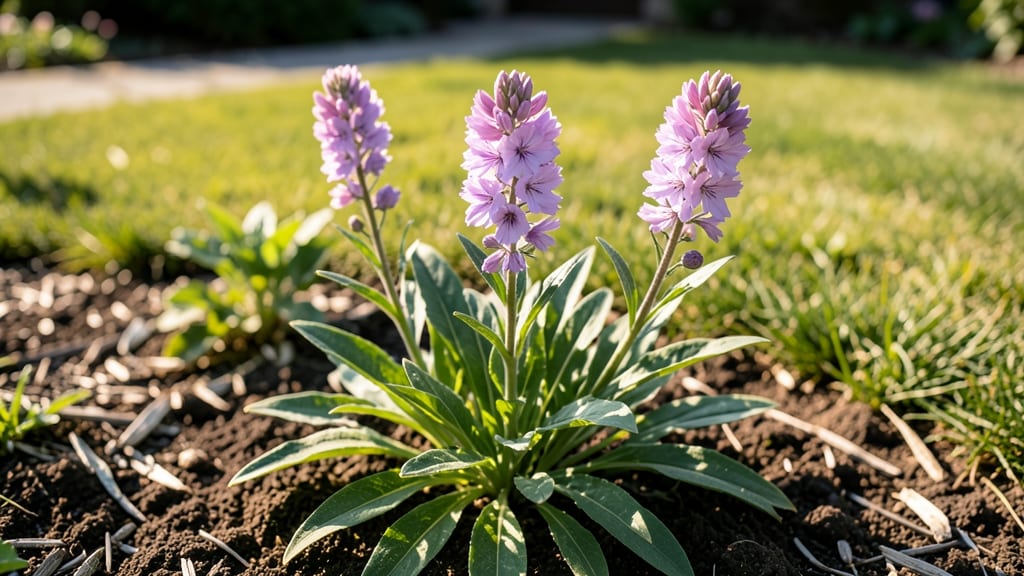
Stock plants don't bloom all summer continuously, since most varieties flower intensely in spring and early summer before going dormant. Only heat-sensitive types like Matthiola longipetala may rebloom after frost, but you'll need regular deadheading and proper care to keep them flowering year-round.
Stock plants follow nature's seasonal cues, with most varieties programmed to burst into color during spring and early summer before entering a natural rest period. 🌸 The reason behind this pattern lies in their botanical triggers—temperature shifts and daylight hours signal when to bloom, then when to conserve energy.
What's interesting is how certain heat-triggered varieties, like the biennial Matthiola longipetala, can break this cycle by responding to late-summer heat waves with a second flush of flowers after frost. This makes them unique among annuals, but even these need your help to perform their best.
To encourage extended blooming, focus on three key practices: deadheading spent flowers immediately to redirect energy to new buds, maintaining consistent moisture without overwatering, and providing afternoon shade during peak summer heat.
I've found that varieties like 'Giant Mixed' or 'Rainbow' series often deliver the most reliable reblooming when given these conditions. The trade-off? They'll never match the nonstop blooms of tropical annuals like petunias, but the seasonal show they put on makes them worth the extra care.
💡 In This Article
- Why Stock Plants Bloom Seasonally
- Extending Stock Blooms: Deadheading and Heat-Tolerant Care
Why stock plants bloom seasonally
Stock plants (Matthiola incana) follow a strict biological clock tied to temperature and daylight, with most varieties programmed to bloom in spring and early summer. This seasonal pattern stems from their natural adaptation to Mediterranean climates, where cool winters and warm springs trigger flowering.
The key mechanism is vernalization—a cold period that breaks dormancy and prepares the plant for growth. Once temperatures rise above 70°F, the plant shifts from vegetative growth to flowering, producing those signature clusters of fragrant blooms.
The photoperiod (daylight length) also plays a crucial role.
Short-day plants like some stock varieties respond to decreasing daylight in late summer, signaling the end of their blooming cycle. 🌿 What's fascinating is how heat-sensitive types like Matthiola longipetala can override this pattern—when late-summer heat waves push temperatures above 85°F, these plants may produce a second flush of flowers after frost.
This heat-triggered reblooming is why some gardeners call these "summer stock," though they're technically biennials with a two-year life cycle.
Most annual stock varieties, however, enter dormancy after their initial bloom because their energy reserves are depleted. The plant's survival strategy kicks in: it conserves resources by slowing growth and reducing leaf production.
This is why you'll often see stock plants looking leggy and sparse by mid-summer—they're preparing for their natural rest period. The trade-off for this seasonal beauty is that they won't provide continuous color like tropical annuals, but their fragrance and delicate blooms make them worth the seasonal commitment.
There's a clear distinction between heat-tolerant and frost-sensitive stock varieties. Heat-tolerant types like 'Rainbow Series' can handle temperatures up to 95°F and may produce sporadic blooms through summer, while frost-sensitive varieties like 'Giant Mixed' will bolt (go to seed) if exposed to prolonged heat above 80°F.
This is why gardeners in hot climates often plant stock in early spring or late summer when temperatures are more moderate. The key is matching the variety to your local climate patterns.
What most gardeners don't realize is how soil temperature affects blooming. Stock plants prefer soil temperatures between 60-70°F for optimal growth. When soil heats up above 75°F, root activity slows, which can stunt flower production.
This is why mulching with straw or using shade cloth during peak afternoon sun can extend the blooming season by keeping roots cool. The right soil temperature can make the difference between a plant that blooms for weeks versus one that fades quickly.
For those wanting year-round color, consider the biennial life cycle of stock plants. While they won't bloom continuously, their two-year growth pattern means you can plant them in early summer for fall blooms, then let them overwinter and flower again the following spring.
This staggered planting strategy gives you a more extended display than annuals alone. The secret is understanding that stock plants are seasonal performers designed to give you their best show during their natural blooming window.