
Blooming
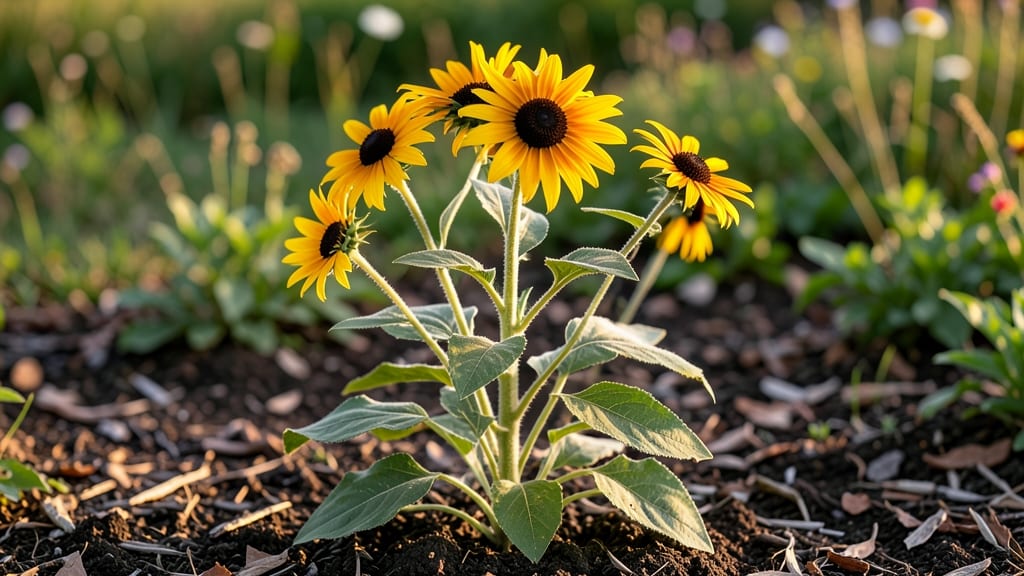
The black eyed susan bloom time transforms your garden into a golden-yellow spectacle in mid-to-late summer 🌼 when temperatures hit 80°F+.
But here’s the catch: not all varieties follow the same schedule. Some burst into color as early as July, while others wait until September, depending on your USDA zone and how much sunlight they soak up.
If you’re in Zone 6 like me, you’ll likely see the first blooms around mid-August, with peak season stretching into early fall. The key? Planting at the right time and giving them the full sun they crave.
Below, I’ll break down how to time your planting for the longest bloom season, which varieties stay vibrant the longest, and the simple tricks to keep those cheerful faces popping up all summer long.
Black Eyed susan bloom time by variety: when & how long they flower
Black Eyed Susans (Rudbeckia hirta) are summer's golden ambassadors, but their bloom schedules vary dramatically by variety. Some varieties like 'Goldsturm' thrive in 80°F+ heat, while others like 'Indian Summer' prefer cooler transitions.
Understanding these differences helps you plan for peak color and extended flowering all season. Let's explore how each variety responds to your climate and sunlight conditions.
Temperature plays a critical role in triggering blooms. Most varieties need consistent daytime highs above 75°F to reach their full color potential. Once established, they'll reward you with 4-8 week bloom cycles, depending on the cultivar.
For example, 'Cherokee Sunset' often starts blooming earlier than 'Mammoth Rustica', which waits for deeper summer heat to kick in.
Here’s how to match your garden’s conditions with the perfect Black Eyed Susan variety for long-lasting color:
| Variety | Bloom Start (USDA Zone 5-8) | Peak Months | Bloom Duration | Reblooms? | Heat Trigger (°F) |
|---|---|---|---|---|---|
| 'Goldsturm' | Late June | July-August | 6-8 weeks | Yes (light) | 80°F+ |
| 'Indian Summer' | Early July | August-September | 5-7 weeks | No | 75°F+ |
| 'Cherokee Sunset' | Mid-June | July-August | 7-9 weeks | Yes (moderate) | 78°F+ |
| 'Mammoth Rustica' | Late July | August-September | 4-6 weeks | No | 82°F+ |
| 'Autumn Sunset' | Early August | September-October | 6-8 weeks | No | 70°F+ |
If you live in USDA Zones 3-5, focus on early-blooming varieties like 'Cherokee Sunset' or 'Indian Summer', which tolerate cooler summers. For Zones 7-10, late-season varieties like 'Autumn Sunset' shine, extending your color into fall.
Pro tip: Plant 'Goldsturm' in full sun to maximize its reblooming potential.
Sunlight is just as critical as temperature. 'Mammoth Rustica', for example, needs 6+ hours of direct sun to produce its signature large, rust-colored blooms. In partial shade, its flowers may become sparse or pale.
Conversely, 'Autumn Sunset' handles light shade better, making it ideal for woodland gardens where full sun isn’t available.
Deadheading spent blooms can extend the flowering season by 2-4 weeks for reblooming varieties. Simply snip off faded flowers just above the next set of buds to encourage new growth.
This works best for 'Goldsturm' and 'Cherokee Sunset', which respond well to this pruning technique. Avoid deadheading non-reblooming varieties like 'Indian Summer', as it won’t produce additional flowers.
Soil fertility also impacts bloom time. Amend your garden with compost or
USDA zone bloom time map: adjusting planting for your climate
Your USDA zone plays a critical role in determining when your Black Eyed Susans will bloom. While these plants thrive in zones 3–10, their flowering schedule shifts dramatically depending on heat exposure and frost dates.
In cooler zones like 3–5, blooms may arrive in late July, while zones 7–10 often see vibrant displays as early as June. Understanding these patterns helps you align planting with your local heat peaks for maximum impact.
Heat-sensitive varieties like 'Goldsturm' respond best to consistent temperatures above 75°F, which typically occurs earlier in southern zones. Cold-hardy types such as 'Indian Summer' can handle cooler starts but still need 6–8 weeks of warm weather to trigger full blooms.
By adjusting your planting timeline based on your zone, you can ensure your garden bursts with color when you want it most.
For zones 3–5, aim to plant seeds or transplants in late April to early May, giving them time to establish roots before summer heat arrives.
In zones 6–7, you can start as early as mid-April, while zones 8–10 gardeners can begin in March for a head start. This timing ensures your plants are ready to bloom when daytime temperatures consistently reach 70°F or higher.
Heat-sensitive varieties like 'Cherokee Sunset' may struggle in zones 9–10 if planted too early, as excessive heat can cause bud drop. Instead, opt for late-March plantings and provide afternoon shade until temperatures stabilize.
In contrast, cold-hardy types like 'Autumn Sun' can handle early spring plantings in zones 4–6 and still deliver late-season color.
To maximize late-season blooms, deadhead spent flowers in zones 7–10 through August to encourage reblooming. In cooler zones (3–6), focus on early spring fertilization with a 5-10-10 NPK blend to jumpstart growth. This strategy helps offset shorter growing seasons and extends your golden display into early fall.
Monitor your local first frost date to plan for late-season care. In zones 3–5, expect blooms to taper off by mid-September, while zones 8–10 can enjoy color until November.
Cut back foliage after frost in cooler zones to protect roots, but leave stems in warmer zones for winter interest.