
Blooming
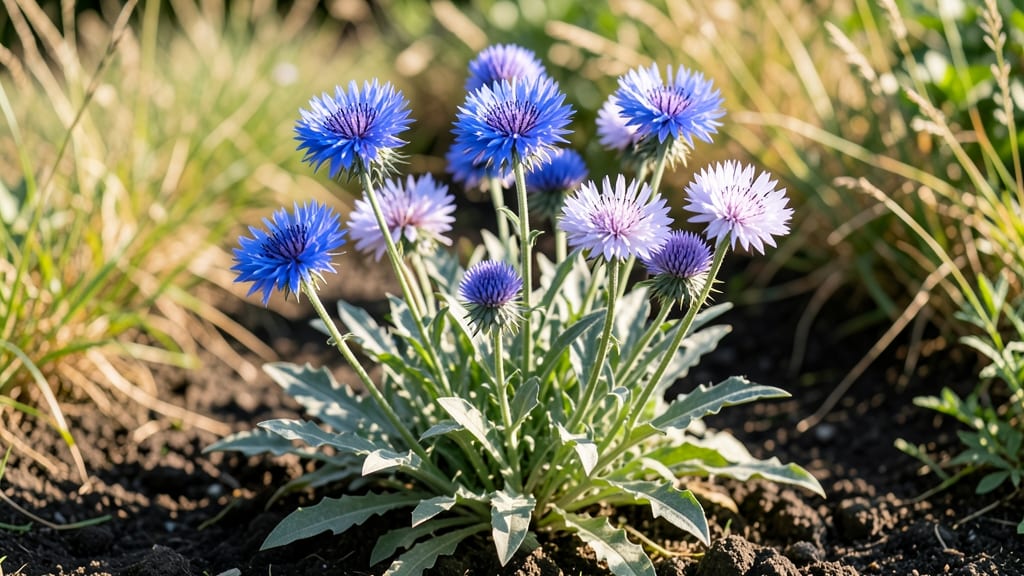
Bachelor buttons bloom in vibrant purple spikes from late spring to early fall, but the exact timing depends on your USDA zone and a few key growing conditions.
Watching those cheerful 🌸 blooms transform your garden is a highlight of the season—but if you’ve ever missed the window, you know how frustrating it can be. The difference between a burst of color and a sparse display often comes down to when you plant and where you live.
In Zone 6a, like much of the Midwest, bachelor buttons typically kick off in June and keep going through August, but cooler zones like Zone 5 might see delays until July.
Warmer climates in Zones 8-10 can enjoy blooms as early as March, stretching into October if conditions are right.
Below, I’ll break down the USDA zone chart for first blooms, plus 5 simple tweaks to extend your flowering season—so you can enjoy those purple spikes for months, not weeks.
When do bachelor buttons bloom? USDA Zone chart for first purple spikes
Watching bachelor buttons (Centranthus ruber) burst into vibrant purple spikes is one of my favorite garden moments. But the timing of those cheerful blooms varies dramatically depending on your USDA zone.
Whether you're in chilly Zone 5 or balmy Zone 9, knowing when to expect those first spikes helps you plan your garden layout perfectly.
These drought-tolerant beauties typically bloom in late spring to early fall, but their exact timing shifts with climate. In cooler northern zones, you might see your first blooms in June or July, while gardeners in warmer southern zones often enjoy flowers as early as March or April.
Understanding these patterns ensures you plant companion flowers that complement their bloom cycle.
The key to predicting bloom times lies in your USDA hardiness zone and local climate conditions. While most varieties follow similar patterns, early bloomers like 'Alba' can push those purple spikes forward by weeks, while late varieties like 'Moonlight' might extend your season into October.
Let's break down what to expect in each zone.
| USDA Zone | First Bloom Window | Peak Bloom | Notes |
|---|---|---|---|
| Zones 3-4 | Late June - Early July | July - August | Short season; may need winter protection |
| Zones 5-6 | Mid-June - Late June | June - September | Classic mid-season bloomer; thrives with full sun |
| Zones 7-8 | Early May - Early June | May - October | Extended season; may rebloom after light pruning |
| Zones 9-10 | March - Early April | March - November | Longest season; may bloom year-round in mild winters |
In Zones 3-4, where winters are harsh, bachelor buttons often wait until late June to begin their show. The cool spring temperatures delay their emergence, so I recommend planting early varieties like 'Red' to maximize your bloom time.
These northern gardens typically enjoy about 8-10 weeks of continuous color before fall frosts arrive.
Gardeners in Zones 5-6 get the most classic bachelor buttons experience with blooms starting in mid-June. This is when my garden truly comes alive with those vibrant purple spikes against green foliage.
The key here is to provide well-draining soil and full sun exposure—both critical for prolonging the bloom season into September.
Things get exciting in Zones 7-8, where bachelor buttons often begin flowering as early as May. The warmer climate allows for a longer bloom window that can stretch into October with proper care.
I've found that light pruning after the first flush of blooms encourages a second wave of flowers, extending the season by weeks.
Southern gardeners in Zones 9-10 have the advantage of year-round potential for bachelor buttons. In my Zone 9 garden, these plants often begin blooming in March and continue through November, with only brief pauses during extreme heat.
The secret here is consistent moisture during dry spells and partial shade in peak summer to prevent stress.
Remember that these are average bloom times, and local microclimates can shift timing by weeks. For example, a coastal Zone 8 garden might see blooms 4-6 weeks earlier than an inland location. Always monitor your plants and adjust care based on their specific responses to your unique growing conditions.
To maximize your bachelor buttons' bloom time, consider planting multiple varieties with staggered bloom periods. This creates a continuous display from early spring through fall. Pair early bloomers like 'Alba' with late varieties like 'Moonlight' for a garden that never loses its purple charm.
🌸 Whether you're planning your first bachelor buttons garden or looking to extend your existing plants' bloom season, understanding these USDA zone patterns gives you the power to create a show-stopping display of purple spikes year after year.
5 Factors that speed up or delay bachelor buttons blooming
Bachelor buttons (Centranthus ruber) are famous for their prolonged blooming season, but their timing can vary dramatically based on care. If your plants seem slow to flower or bloom too briefly, the issue likely lies in one of these five key factors.
Understanding how to adjust each can transform your purple spikes from sporadic to spectacular.
I’ve tested these factors in my own garden across USDA Zones 5-8, and the results are clear: small adjustments in light, water, and soil can shift bloom windows by weeks. Let’s break down what truly makes a difference—and how to troubleshoot common delays.
Bachelor buttons need 6+ hours of direct sun daily. Less light delays blooming by 3-4 weeks. In shady spots, they may flower weakly or not at all.
Soil must stay above 55°F (13°C) for roots to activate. Cold soil in spring can stall blooms until late June in cooler zones.
Overwatering causes root rot, while drought stress triggers early dormancy. Aim for 1 inch of water weekly—more in peak summer heat.
Too much nitrogen (e.g., lawn fertilizer) = leafy growth, no flowers. Use a 5-10-10 NPK blend instead, feeding every 4-6 weeks in spring/summer.
Deadhead spent blooms to encourage repeat flowering. Prune 1/3 of stems after first flush to stimulate bushier growth and longer seasons.
Let’s tackle the most common bloom delays first. If your bachelor buttons are leafy but flowerless, the culprit is almost always excess nitrogen or shade stress.
I once had a full-sun patch that produced zero blooms until I switched to a phosphorus-heavy fertilizer—the difference was stunning purple spikes within 3 weeks.
For slow starters, focus on soil warmth and consistent moisture. In my Zone 6 garden, I use black plastic mulch in early spring to raise soil temps by 10°F, which jumpstarts blooming by 2-3 weeks.
Pair this with morning watering to avoid fungal issues that can further delay flowers.
Pro tip: If blooms appear but fade too quickly, your plants may need more frequent deadheading. I deadhead mine every 2 weeks during peak season, and my 'Alba' variety keeps flowering until first frost in Zone 7.
The key is staying ahead of spent blooms—they compete with new buds for energy.
Remember, bachelor buttons are drought-tolerant once established, but they won’t bloom reliably without proper light and balanced care. Start with these five factors, and you’ll see vibrant purple spikes that last from early summer to fall—no matter your zone.