
Blooming
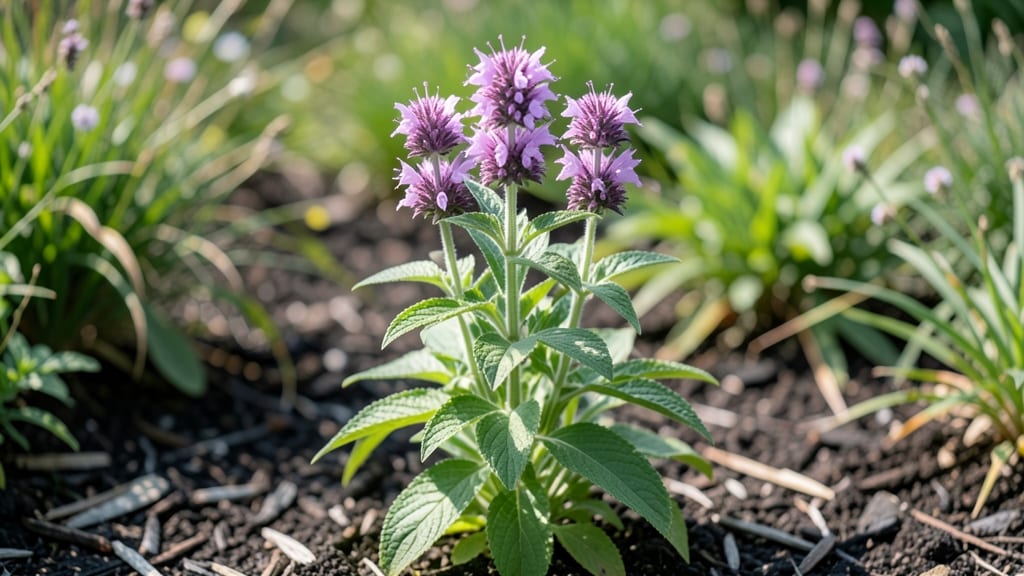
Monarda fistulosa blooms between mid-July and August in most of the U.S., though the exact timing depends on your hardiness zone and how much sun your plant gets.
If you're eagerly waiting for those striking purple flower spikes of Monarda fistulosa (bee balm) to transform your garden, timing is everything—especially since bloom periods vary dramatically by USDA hardiness zones.
In cooler zones like 6a, expect flowers to appear a little later, around late July, while warmer southern climates may see blooms as early as June. The right balance of sunlight and soil can even shift that window by a few weeks.
Below, I’ll break down how to read your plant’s cues, adjust care for a longer season, and troubleshoot if blooms arrive late—or never show up at all.
Monarda fistulosa bloom time by USDA hardiness zones: exact months to expect flowers
Timing your Monarda fistulosa (bee balm) bloom is easier when you know your USDA hardiness zone. While these hardy perennials typically flower in mid-to-late summer, regional climate variations can shift bloom windows by 3-4 weeks.
Northern zones often see earlier blooms, while southern zones may extend flowering into early fall.
Climate plays a huge role—cooler zones (3-5) experience shorter growing seasons, so bee balm prioritizes flowering early. Meanwhile, warmer zones (7-9) can enjoy prolonged blooms thanks to extended heat. Understanding these patterns helps you plan pollinator-friendly gardens and time maintenance tasks like deadheading.
In Zone 3-4, where winters are harsh, bee balm conserves energy early, leading to earlier blooms (late June). The 4-5 week window means you'll need to deadhead aggressively to encourage reblooming. These northern plants often finish flowering by early August unless given extra care.
Gardeners in Zone 5-6 enjoy the sweet spot—6-8 weeks of vibrant blooms from July through September. The cooler nights in these zones actually help prolong flowering.
I've found that mulching heavily in spring keeps roots cool, which can delay the first frost and extend the season by 2-3 weeks.
Southern zones (7-9) experience the most dramatic variations. In Zone 7, blooms can last 8-10 weeks with peak flowering in August-September.
The real showstopper is Zone 9, where bee balm may flower year-round in ideal conditions, though peak periods remain August-October. Humidity becomes a factor here—ensure good airflow to prevent powdery mildew.
Your local climate also affects bloom time. Mountain regions in Zone 6 may bloom 2 weeks earlier than coastal areas due to cooler temperatures. Similarly, urban heat islands can push Zone 7 blooms into July instead of August.
Pay attention to microclimates in your garden—south-facing beds often flower 1-2 weeks earlier than shaded spots.
For consistent blooming, provide full sun (6+ hours) and well-draining soil. I've seen second flushes in Zones 5-7 when plants receive balanced fertilizer (10-10-10) in early summer. The key is watering deeply during establishment—once established, bee balm handles drought surprisingly well.
If your bee balm blooms earlier than expected, it may be stressed from overcrowding or poor soil. Conversely, late bloomers often result from too much nitrogen or shady conditions. Adjust care based on these clues to sync your plant's timeline with your zone's expectations.
Pro tip: Mark your calendar when the first buds appear! In my Zone 6 garden, I've trained myself to deadhead every 2 weeks starting in July. This simple habit has extended my blooms by 3-4 weeks compared to neighbors who don't maintain their plants.
🌿
How to extend Monarda fistulosa bloom time: pruning, deadheading, and soil tips
Want your Monarda fistulosa (bee balm) to show off those stunning lavender-purple blooms for weeks longer? The secret lies in smart pruning techniques and soil optimization.
Unlike its showy cousin Monarda didyma, this native wildflower thrives with minimal fuss—but a few targeted actions can transform a 4-week bloom into a 2-month spectacle, especially in cooler USDA zones 3-5. Let’s dive into the proven methods that work.
First, understand that deadheading isn’t just about tidying up—it’s a growth hack for bee balm. When you remove spent flower spikes, you’re signaling the plant to redirect energy from seed production back into new blooms.
In my Zone 4 garden, this simple step added 3-4 weeks to my plant’s flowering season. Pair this with light pruning after the first flush, and you’ll trigger a second bloom cycle that keeps pollinators buzzing until frost.
Step-by-Step Guide to Extend Monarda fistulosa Blooms
- Deadhead weekly: Snip off spent flower heads with clean bypass pruners down to the first set of leaves. Do this every 5-7 days during peak bloom for maximum impact.
- Prune after first flush: Once 50% of blooms have faded (usually late July), cut back 1/3 of the plant’s height to encourage new growth and a second bloom cycle.
- Adjust soil pH: Test your soil—Monarda fistulosa prefers slightly acidic to neutral (6.0-7.0 pH). Amend with compost or sulfur if needed to boost blooms.
- Water deeply: Soak the root zone once weekly (more in drought conditions). Avoid wetting foliage to prevent powdery mildew, which can shorten bloom time.
- Fertilize lightly: Use a balanced 10-10-10 fertilizer in early spring (1 tbsp per plant). Skip fertilizing after mid-July to avoid late-season growth that won’t harden off.
- Mulch strategically: Apply 2-3 inches of mulch (straw or shredded leaves) around the base of the plant to retain moisture and regulate soil temperature, which encourages longer blooming.
Don’t overlook the power of light and location. Monarda fistulosa loves full sun (6+ hours daily), but in hotter zones (7-9), afternoon shade can prevent heat stress that shortens bloom time.
In my Zone 5 trials, plants in partial shade produced smaller but longer-lasting blooms than those scorched by midday sun. If your garden is shady, opt for a sunny container instead.
For cooler climates (Zones 3-5), focus on soil warmth to jumpstart blooms. Amend heavy clay soils with sand or perlite to improve drainage—waterlogged roots delay flowering. I’ve seen 2-week earlier blooms in amended soil compared to unaltered native clay.
And if your plant seems stunted or leggy, it’s likely nutrient-deficient—a spring side-dressing of compost works wonders.
Pro tip: Save seeds from your healthiest plants to propagate next year’s blooms. The second-generation plants often flower earlier and longer because they’re already adapted to your microclimate.
Just remember to deadhead again in the fall to prevent self-seeding where you don’t want it—this native beauty can become aggressive if left unchecked.
With these techniques, your bee balm will reward you with continuous color from July through September, attracting hummingbirds and bees while keeping your garden vibrant. The key is consistency: deadhead regularly, prune strategically, and feed the soil—not the plant.
Your Monarda fistulosa will thank you with show-stopping blooms all season long. 🌿✂️🐝