
Plants
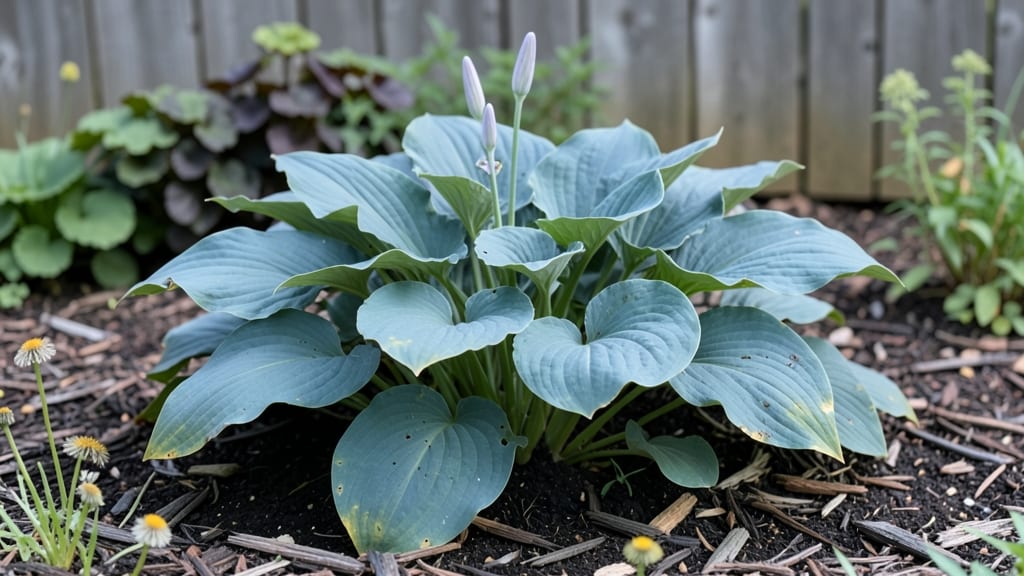
Mom’s perennials are excellent for beginners because they return yearly, require minimal care, and thrive in various climates with only basic watering and sunlight. Varieties like daylilies, hostas, and coneflowers are hardy, drought-tolerant, and perfect for low-maintenance gardens.
These plants earn their beginner-friendly reputation thanks to their deep root systems, which store moisture and nutrients—meaning they bounce back quickly after dry spells. 🌱 Unlike fussy annuals or high-maintenance blooms, they handle everything from partial shade to full sun, and many even repel common garden pests naturally.
That resilience translates to fewer headaches for gardeners who want beauty without the constant upkeep.
What really sets them apart is their ability to spread over time, creating lush, self-sustaining displays with minimal effort. I’ve seen hostas multiply into dense ground covers in just a few seasons, while coneflowers attract pollinators year after year—making them both practical and rewarding for hands-off gardeners.
💡 In This Article
- Why Mom’s Perennials Thrive with Minimal Effort
- Top 5 Beginner-Friendly Mom’s Perennial Varieties
Why mom’s perennials thrive with minimal effort
The secret to these plants' resilience lies in their deep, extensive root systems that can reach 3-5 feet underground. This allows them to access water and nutrients far below the surface, making them far more drought-tolerant than annuals whose roots rarely exceed 12 inches.
For example, hostas develop fibrous roots that spread horizontally, creating a natural water reservoir during dry spells. 🌱 This biological advantage means they can survive weeks without supplemental watering—a stark contrast to annuals like marigolds, which wilt within days if missed.
Many classic "mom's perennials" also produce natural compounds that deter pests. Daylilies, for instance, contain saponins that repel deer and rabbits, while coneflowers emit subtle fragrances that confuse aphids. Their tough, leathery foliage resists damage from wind and hail better than delicate annuals like petunias.
The trade-off? Some may sacrifice showy blooms for longevity, but their ability to regrow from the same roots year after year makes them far more forgiving than high-maintenance perennials like peonies, which require staking and division every few seasons.
Soil adaptability is another game-changer. These plants thrive in everything from sandy loam to heavy clay, thanks to their ability to modify their root structures based on conditions. For example, Russian sage develops deep taproots in dry climates but produces shallow lateral roots in moist areas.
This flexibility means you don’t need to amend poor soil—just plant and let them adjust naturally. 💛 Compare that to fussy perennials like asters, which demand perfect drainage and may rot in heavy soils.
Their growth patterns also work in beginners' favor. Most spread through rhizomes or stolons, creating dense colonies without needing replanting. A single hosta crown can multiply into 50 plants in five years, while black-eyed Susans self-seed prolifically.
This built-in propagation means your garden fills in automatically, reducing the need for constant deadheading or replanting that annuals require.
Climate adaptability rounds out their low-maintenance appeal. Perennials like lavender handle both USDA Zone 5 winters and Zone 9 summers with equal ease, whereas annuals must be replanted every season.
The key is choosing varieties native to your region—like purple coneflower in the Midwest or coral bells in the South—which have evolved to handle local extremes without special care. 🌿
What most gardeners don’t realize is how their growth cycles align with human schedules. Most bloom in late spring or summer, then enter dormancy during winter—meaning you’re never stuck with dead plants in your landscape.
This seasonal rhythm creates natural "off" periods where maintenance drops to zero, unlike annuals that demand constant attention from planting to flowering to disposal.