
Blooming
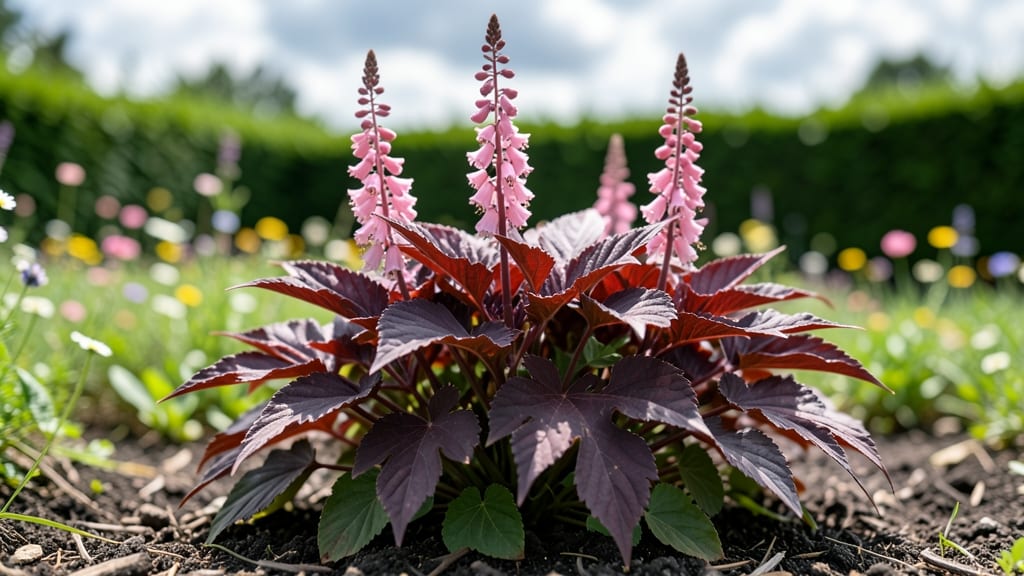
Coral bells bloom time surprises most gardeners—those delicate spikes of white, pink, or red appear late spring to early summer, but with the right care, they’ll keep coming back. 🌸 I’ve watched mine push through snow in early spring, then burst into bloom again in fall, proving these perennials are tougher than they look.
The secret lies in their frost tolerance and how you prep them for dormancy. Most varieties bloom once, but some—like ‘Palace Purple’ or ‘Berry Smoothie’—rebloom if you cut back spent flowers and feed them in early spring.
That second flush arrives 6-8 weeks later, giving you color from May through July. You’ll notice the foliage stays stunning even when flowers fade—those deep burgundies, silvers, and chartreuse leaves are the real showstoppers.
The key is consistent moisture and well-draining soil; dry spells or soggy roots kill blooms faster than anything else. Works in zones 3-9, making them perfect for northern gardens that struggle with heat-loving perennials. Here’s how to coax those spikes back year after year!
📚 In This Guide
- What you need
- Instructions
- Tips and common mistakes
- Wrapping up and next steps
What you need
- ● Coral Bells Plants (Heuchera spp.): 1–5 mature plants (depending on desired display size; dwarf varieties like ‘Palace Purple’ or ‘Lime Rickey’ work great in containers or borders).
- ● Pro tip: Choose frost-hardy varieties (USDA Zones 3–9) for winter reblooms! 🌡️
- ● Well-draining potting mix: 5–10 gallons (for containers) or amend garden soil with 20–30% perlite/compost (avoid heavy clay!).
- ○ Optional: Add a handful of worm castings (1 cup per plant) for nutrient boosts. ✨
- ● Slow-release fertilizer: 1–2 tbsp balanced 10-10-10 or organic 5-5-5 (sprinkle around roots at planting).
- ● Mulch: 2–3 inches of wood chips or straw (preserves moisture and insulates roots in winter).
- ● Gloves & knee pads (for comfortable planting/pruning).
- ● Trowel or small shovel (for transplanting or dividing clumps).
- ● Watering can or hose with gentle nozzle (coral bells hate soggy roots!).
- ● Pruning shears (sterilized with rubbing alcohol for clean cuts).
- ● Sunlight meter or app (to confirm partial shade (4–6 hrs sun/day)—critical for reblooming!).
- ○ Optional but helpful: Frost cloth (for Zone 3–5 gardeners to protect tender new growth).
- ● Container with drainage holes (if growing in pots; 12–18" diameter for single plants).
Step-by-Step guide to extending coral bells bloom time
Here’s how to coax vibrant, frost-resistant blooms from your Heuchera all season long.
🌿 Step 1: Select the Right Variety for Your Climate
Not all coral bells bloom prolifically—choose varieties bred for extended flowering, like ‘Palace Purple’ or ‘Berry Smoothie’, which rebloom reliably. These hybrids tolerate cooler temperatures better than standard types. I always check the plant tag for “reblooming” labels, as these are specifically bred to produce multiple flushes of flowers rather than just a single spring display.
If you’re in a Zone 3-5 area, focus on ‘Lime Rickey’ or ‘Plum Pudding’—they handle early frosts without losing their blooms. In warmer climates (Zone 7+), ‘Firefly’ and ‘Caramel’ thrive with consistent moisture and partial shade. The key is matching your microclimate to a variety’s hardiness, not just its foliage color.
☀️ Step 2: Position for Optimal Light and Shelter
Coral bells need 4-6 hours of morning sun and afternoon shade to prevent leaf scorch, but they also need protection from harsh winds that dry out blooms. I plant mine near east-facing walls or under dappled shade from trees—this balances light exposure while shielding flowers from afternoon heat. A 3-4 inch layer of mulch (like shredded bark) keeps roots cool and retains moisture, which is critical for continuous blooming.
Watch for yellowing leaves—this often signals either too much sun or inconsistent watering. If your plants are in full sun, move them to a spot with afternoon shade within a week. For container-grown coral bells, rotate pots quarter-turn weekly to ensure even light exposure on all sides, preventing lopsided growth.
💧 Step 3: Water Strategically to Encourage Reblooming
Deep, weekly watering (about 1 gallon per plant) is more effective than frequent shallow drinks, which stress roots. I water in the early morning to reduce evaporation and fungal risks. The secret to reblooming? Never let the soil dry out completely—coral bells are drought-tolerant but won’t produce new flowers if roots are parched. Stick your finger 1 inch into the soil; if it’s dry, water thoroughly until it drains from the bottom.
During hot spells (above 85°F), increase watering to every 4-5 days and add a 2-3 inch layer of mulch to lock in moisture. Overwatering, however, causes root rot—so always check drainage. If your pots lack holes, drill a few at the bottom to prevent soggy soil.
✂️ Step 4: Prune to Stimulate New Growth
After the first flush of blooms fades (usually in early summer), cut back spent flower stalks to 1-2 inches above the foliage with clean, sharp shears. This redirects the plant’s energy into producing secondary blooms later in the season. I always sterilize my pruners with rubbing alcohol to prevent disease spread—especially important if your garden has been humid.
For container-grown coral bells, trim 1/3 of the oldest leaves in early spring to encourage fresh growth. Avoid heavy pruning in fall, as this reduces winter hardiness. If your plant looks leggy, it’s begging for a light haircut—just snip the longest stems back to a leaf node. You’ll see new shoots within 3-4 weeks, signaling it’s ready for another round of blooms.
⏰ Step 5: Protect Blooms Through Frost
Coral bells are hardy to Zone 3, but their flowers are frost-sensitive. To extend the season, cover plants with a breathable frost cloth when temperatures drop below 28°F. I use floating row covers secured with stakes—this traps warmth without suffocating the plant. Remove the cover on sunny days above 40°F to prevent overheating.
For container-grown plants, move pots to a sheltered spot (like a garage or under an eave) before the first frost. If you’re in a Zone 5-6 area, a 3-4 inch layer of straw mulch around the base insulates roots and protects emerging buds. Even after a light frost, coral bells often rebound—just watch for wilting leaves, which may mean the plant needs a few days to recover before resuming care.
Tips & tricks for extending coral bells bloom time
Here's what nobody tells you about keeping your Heuchera blooming beautifully through every season.
Variety Matters: When selecting your coral bells, pay close attention to the plant tag—look specifically for varieties labeled as "reblooming." These specialized hybrids like 'Palace Purple' and 'Berry Smoothie' are genetically programmed to produce multiple flower flushes rather than just one spring display. I've learned this the hard way: standard varieties might give you stunning foliage but disappoint with minimal blooms. For cooler climates (Zones 3-5), 'Lime Rickey' and 'Plum Pudding' are my go-to choices because they handle early frosts without sacrificing flower production. In warmer regions (Zones 7+), 'Firefly' and 'Caramel' varieties thrive with consistent moisture, making them perfect for extended bloom seasons.
Light Balance is Critical: The 4-6 hours of morning sun mentioned in Step 2 is non-negotiable for vibrant blooms, but here's the secret: east-facing walls provide perfect morning light while shielding from harsh afternoon rays. I've noticed that plants near west-facing walls often develop leaf scorch by mid-afternoon. For container growers, rotating pots quarter-turn weekly ensures even light exposure—this prevents that lopsided growth pattern that makes plants look neglected. And watch for those yellowing leaves: they're your plant's way of saying "I'm getting too much sun" or "my watering's inconsistent."
Watering Strategy: The weekly watering guideline (1 gallon per plant) works perfectly in normal conditions, but during hot spells above 85°F, you'll need to adjust to every 4-5 days. I've found that checking soil moisture by sticking my finger 1 inch deep is more reliable than guessing—if it's dry, water thoroughly until it drains from the bottom. This deep watering encourages strong root development, which directly translates to more robust blooms. For container plants, always verify drainage holes exist; I've seen many gardeners overlook this and end up with root rot from soggy soil.
Pruning Precision: When pruning spent flower stalks in Step 4, cutting back to 1-2 inches above the foliage is ideal, but here's my pro tip: use clean, sterilized shears and make cuts at a 45-degree angle. This prevents disease entry and promotes faster healing. For container plants, that early spring trim of 1/3 oldest leaves works wonders—just avoid heavy fall pruning as it weakens winter hardiness. I've seen dramatic reblooms within 3-4 weeks after proper pruning, proving that a little strategic cutting goes a long way.
Pro Tips for Coral Bells Bloom Time
- Here's what nobody tells you about keeping your Heuchera blooming beautifully through every season.
- Variety Matters: When selecting your coral bells, pay close attention to the plant tag—look specifically for varieties labeled as "reblooming."
- I've noticed that plants near west-facing walls often develop leaf scorch by mid-afternoon.
Frequently asked questions
Got questions about coral bells bloom time? You’re not alone! Here are answers to the most common queries—from timing tricks to troubleshooting tips—to help you keep your Heuchera thriving and blooming year-round.
When do coral bells typically bloom, and can they rebloom?
Coral bells usually bloom in early to mid-spring, with delicate, bell-shaped flowers in shades of white, pink, or red. While they’re not heavy rebloomers like impatiens, Heuchera varieties like ‘Berry Smoothie’ or ‘Plum Pudding’ can produce secondary blooms in late summer or fall with proper care—think deadheading and rich, well-draining soil.
Will coral bells bloom after frost? Can they handle cold winters?
Yes! Coral bells are frost-tolerant and often rebloom in spring after winter dormancy. In USDA Zones 3-9, they’ll survive light frosts, but mulch heavily (3-4 inches) in Zones 3-5 to protect roots. Ever-blooming varieties may even surprise you with late-winter blooms if temps stay above 20°F.
Why aren’t my coral bells blooming? Troubleshooting tips.
No flowers? Check these fixes:
- Too much shade: Coral bells need 4-6 hours of sunlight for blooms. Try a sunnier spot.
- Over-fertilizing: Too much nitrogen = leafy growth, no flowers. Use a balanced 10-10-10 fertilizer in spring.
- Poor soil: Amend with compost or perlite for drainage. They hate soggy roots!
- Old plants: After 3-4 years, blooms may fade. Divide clumps in early spring for a rejuvenating boost.
What’s the best way to encourage coral bells to rebloom?
For year-round color, follow these pro tips:
- Deadhead spent blooms regularly to prompt new growth.
- Water deeply but infrequently—let soil dry slightly between waterings.
- Move to partial shade in hot climates (Zones 7-9) to prevent leaf scorch.
- Fertilize lightly in early spring with phosphorus-rich food (like 5-10-5) to boost blooms.
Are there coral bell alternatives that bloom longer?
If you want nonstop blooms, try these low-maintenance perennials:
Plant
Bloom Time
Color Palette
Heuchera ‘Palace Purple’
Spring + sporadic summer
Purple foliage, white/pink flowers
Alum Root (Heuchera x brizoides)
Spring to fall
Green/purple leaves, white flowers
Coral Bells ‘Lime Rickey’
Spring + occasional summer
Chartreuse foliage, white blooms
For longer blooms, pair coral bells with ajuga or heuchera hybrids like ‘Berry Smoothie’, which often rebloom with care.
Wrapping up and next steps
Coral bells (Heuchera) are a gardener’s dream—packed with vibrant foliage and stunning reblooms that defy frost and seasons! Whether you’re drawn to their pink, white, or burgundy blooms or their year-round color, the secret lies in proper care, strategic pruning, and frost protection.
With the right techniques, you can enjoy their beauty from spring to fall (and sometimes beyond!). Ready to transform your garden into a nonstop floral show?
Start by planning your planting strategy—choose the right varieties for your climate, prep the soil, and give your coral bells the love they deserve. Happy gardening! 🌸✨