
Plants
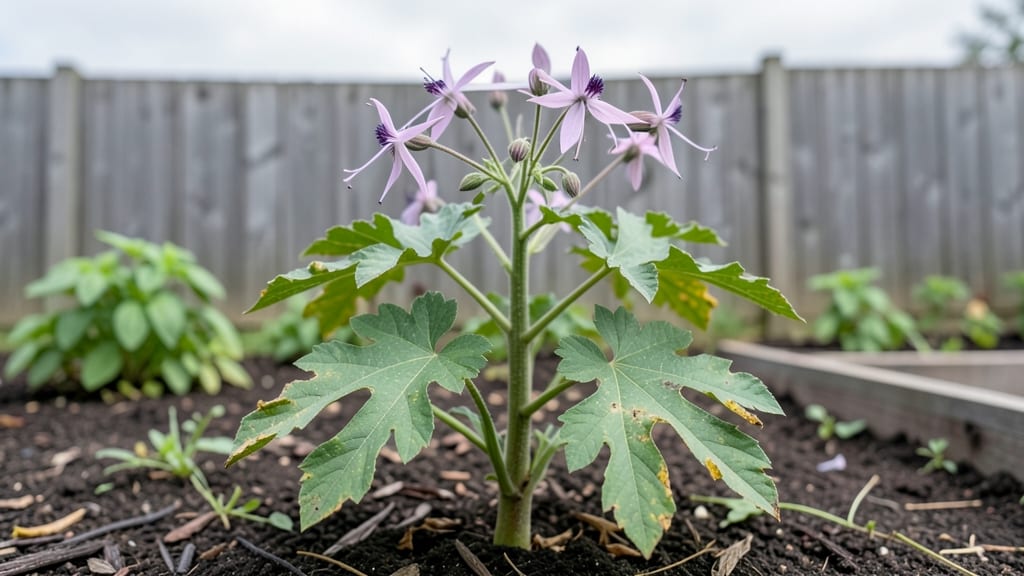
Cleome plants are not perennials in most climates; they grow as annuals or short-lived perennials in frost-free zones, typically dying back after flowering. In warm regions like USDA zones 9-11, they may self-seed prolifically, creating multi-year displays.
Cleomes thrive as annuals in most gardens because they’re sensitive to frost—even a light freeze can kill them back to the ground. 🌱 The species Cleome hassleriana (the spiderflower) is especially tender, while Cleome spinosa (the sticky weed) might persist slightly longer in marginal zones.
Their fast growth cycle means they focus energy on flowering rather than surviving winter, which is why they’re often treated as one-season wonders unless you’re in a frost-free microclimate.
What’s clever about these plants is their self-seeding habit in warm areas—once established, they’ll drop seeds that sprout reliably year after year, mimicking perennial behavior without actually being hardy. I’ve seen them naturalize in Mediterranean climates, creating dramatic vertical displays with minimal effort from gardeners.
💡 In This Article
- Cleome Plant Lifespan and Cold Hardiness Explained
- How to Extend Cleome’s Growing Season Like a Pro
Cleome plant lifespan and cold hardiness explained
The key reason cleome behaves as an annual in most regions is its extreme frost sensitivity. These plants originate from tropical and subtropical areas, where temperatures rarely drop below 40°F. When exposed to frost, their cell membranes rupture due to ice crystal formation—a process called cryoinjury.
Even light freezes (32°F) can kill Cleome hassleriana back to the ground, while Cleome spinosa might survive slightly longer but still won't endure winter in colder zones.
Here's how the growth cycle works: cleomes prioritize rapid flowering (often within 60-90 days from seed) over winter survival. Their energy goes into producing seeds rather than developing hardy root systems.
In USDA zones 9-11, where winters rarely drop below 25°F, they may persist as short-lived perennials or self-seed annually. The difference between zones 8 and 9 is dramatic—just a 5°F temperature shift can mean the difference between annual and perennial behavior.
The botanical distinction matters for gardeners: Cleome hassleriana (the ornamental spiderflower) is particularly tender, while Cleome spinosa (the wild sticky weed) has slightly better cold tolerance but still won't survive freezing winters.
What most people don't realize is that even in mild climates, cleomes often die back after flowering because their natural lifecycle is tied to warm seasons. The self-seeding behavior in zones 9-11 creates the illusion of perennials, but each generation starts fresh from seed.
Consider these hardiness factors when planning your garden:
- Zone 9-11: Can behave as short-lived perennials or self-seed prolifically (naturalizing)
- Zone 8: Typically dies back after first frost, may reseed if protected
- Zone 7 and colder: Always treated as annuals—frost will kill them
The science behind this involves their C3 photosynthetic pathway, which is optimized for warm conditions. Unlike cold-hardy perennials that develop winter buds, cleomes allocate all resources to rapid growth and reproduction during their short window of favorable weather.
This is why they're often called "one-season wonders"—their entire lifecycle is compressed into the warm months.
What's fascinating is how cleomes exploit their environment: in frost-free zones, they'll often produce multiple seed generations in a single year, creating dense stands that persist for years through self-seeding.
This adaptation allows them to dominate disturbed areas in warm climates while remaining annuals in cooler regions where they can't complete their lifecycle.